
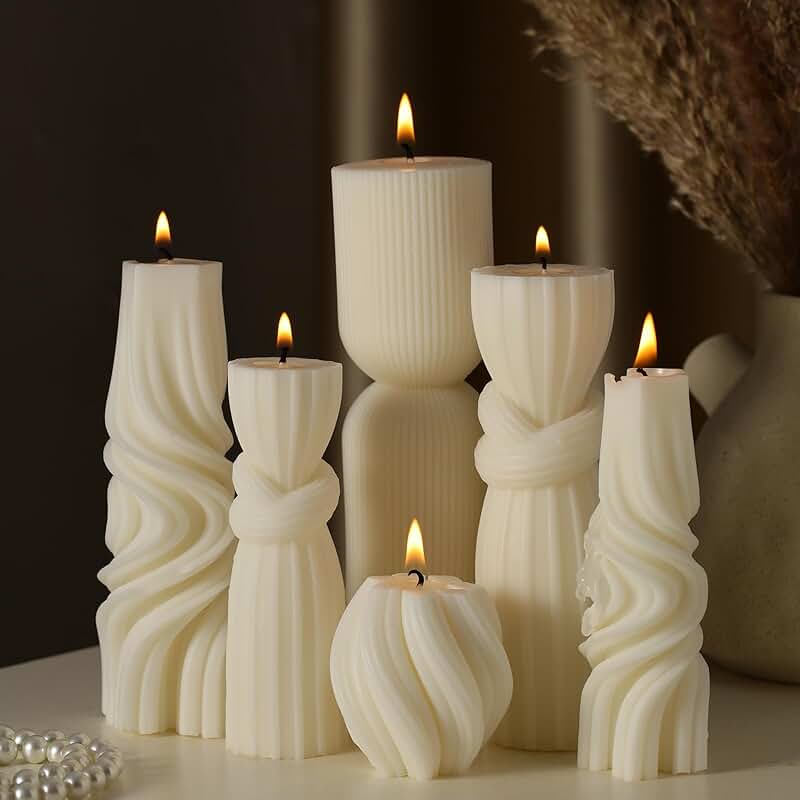
Soft light flickers across a room, subtle fragrance lingers in the air, and a calm atmosphere begins to settle in. Candle products have long played a role in daily routines, seasonal décor, and mindful relaxation practices. From decorative accents to aromatherapy essentials, these products combine functionality with aesthetic appeal.
Today, candle products are available in a wide variety of materials, shapes, and scent profiles. Understanding their types, uses, and benefits helps in selecting options that suit different spaces and preferences.
Types of Candle Products
Candle products vary based on wax type, purpose, and design. Each category serves a distinct function.
1. Scented Candles
Scented candle products are infused with fragrance oils or essential oils. Popular scent families include floral, woody, citrus, and gourmand. These candles are often used in bedrooms, living areas, and bathrooms to create a pleasant environment.
2. Soy Candles
Soy-based candle products are made from soybean oil. They tend to burn cleaner and produce less soot compared to paraffin alternatives. Many individuals prefer soy candle products for their smoother texture and longer burn time.
3. Beeswax Candles
Beeswax candle products are crafted from natural beeswax. They typically burn slowly and emit a subtle honey-like aroma. Their firm texture allows for intricate molded designs.
4. Decorative Candles
Decorative candle products focus on visual appeal. Sculpted shapes, layered colors, and artistic containers make them suitable for table settings, festive occasions, and home styling.
5. Container Candles
Container candle products are poured into jars, tins, or ceramic holders. These designs help manage wax melting and are convenient for indoor use.
Materials Used in Candle Products
The composition of candle products affects burn quality and scent throw.
- Paraffin Wax: Common and affordable, offering strong fragrance diffusion.
- Soy Wax: Plant-based and biodegradable.
- Beeswax: Natural and dense, often drip-resistant.
- Coconut Wax: Smooth texture with excellent scent retention.
- Wicks: Cotton, wood, or braided fiber options influence flame stability.
Choosing high-quality candle products ensures an even burn and consistent fragrance distribution.
Benefits of Using Candle Products
Candle products contribute to both ambiance and emotional well-being.
- Atmosphere Enhancement: Warm lighting creates a soothing environment.
- Aromatherapy Support: Certain scents may promote relaxation or focus.
- Decorative Value: Stylish candle products complement interior design.
- Mindfulness Practices: Candles are frequently incorporated into meditation routines.
Proper care improves performance. Trimming the wick to about 1/4 inch before each use helps maintain a steady flame. Allowing the wax to melt evenly across the surface prevents tunneling.
Safety Tips for Candle Products
Safe handling is essential when using candle products.
- Place candles on heat-resistant surfaces.
- Keep away from drafts, curtains, and flammable materials.
- Avoid leaving burning candles unattended.
- Keep out of reach of children and pets.
Following these guidelines helps reduce fire risks while enjoying candle products responsibly.
Environmental Considerations
Sustainability plays a growing role in candle products manufacturing. Eco-friendly packaging, reusable containers, and plant-based waxes are increasingly common. Selecting options with minimal synthetic additives may reduce indoor air pollutants.
Frequently Asked Questions (FAQs)
1. How long do candle products typically burn?
Burn time depends on wax type and size. Soy and beeswax candle products generally burn longer than paraffin varieties of the same size.
2. Why does tunneling occur in candle products?
Tunneling happens when wax melts only around the wick. Allowing the candle to burn until the entire top layer melts evenly helps prevent this issue.
3. Are scented candle products safe for indoor use?
Most candle products are safe when used according to instructions. Proper ventilation and responsible burning practices are recommended.
4. How should candle products be stored?
Store candle products in a cool, dry place away from direct sunlight to preserve scent and color.
5. Which wax type is best for decorative candle products?
Beeswax and paraffin are often chosen for detailed designs due to their firmness and molding capability.
Candle products continue to remain relevant in home décor, relaxation routines, and seasonal traditions. With thoughtful selection and proper care, these versatile items add warmth and character to everyday spaces.

