Category Archive : Fire Protection

How Does a Fire Shutter Window Improve Safety and Compliance in Buildings?

Fire safety remains a top priority for residential, commercial and industrial properties across Australia. As building regulations become stricter and safety awareness increases, the fire shutter window has emerged as an effective solution for controlling fire spread while maintaining visibility and ventilation. Designed to activate during fire events, this system plays a vital role in protecting occupants and property.

What Is a Fire Shutter Window and How Does It Work?

A fire shutter window is a specialised fire protection system installed within window openings or glazed areas. It is designed to automatically close when triggered by heat, smoke or a connected fire alarm system. Once activated, the shutter forms a fire-resistant barrier that helps prevent flames, smoke and heat from spreading between compartments. This controlled response supports safe evacuation and limits damage to surrounding areas.

Why Is Fire Containment So Important in Modern Buildings?

Fire containment is essential for reducing risk and ensuring structural stability during an emergency. Openings such as windows can allow fire to spread rapidly if not properly protected. A fire shutter window helps compartmentalise fire zones, slowing down fire progression and giving occupants valuable time to evacuate safely. This is particularly important in multi-storey buildings, warehouses and commercial spaces with high occupancy.

How Does a Fire Shutter Window Support Compliance with Australian Standards?

Australian fire safety regulations require buildings to meet specific performance criteria for fire resistance and occupant protection. A fire shutter window is manufactured and tested to comply with relevant Australian Standards, ensuring it meets fire rating and operational requirements. Installing compliant systems assists property owners in meeting council approvals, building certifications and insurance obligations.

Can a Fire Shutter Window Be Integrated with Other Fire Safety Systems?

Modern fire shutter window systems can be integrated with active fire protection measures such as fire alarms, smoke detectors and building management systems. This integration allows automatic activation during emergencies and ensures a coordinated response. Manual override options are also available, providing flexibility for maintenance or controlled operation when required.

What Are the Benefits Beyond Fire Protection?

In addition to fire resistance, a fire shutter window can enhance security and energy efficiency. When closed, it acts as a strong physical barrier against unauthorised access. Some systems also provide thermal insulation and noise reduction, contributing to overall building performance. This combination of safety and practicality makes the solution suitable for a wide range of applications.

Why Is Professional Installation and Maintenance Essential?

Correct installation is critical to ensure reliable operation during a fire event. Professional installers ensure the fire shutter window is fitted accurately and connected properly to triggering mechanisms. Regular inspections and servicing are equally important to maintain performance, identify wear and ensure smooth operation. Ongoing maintenance supports long-term reliability and compliance.

Conclusion

A fire shutter window is a valuable addition to any building’s fire protection strategy. By containing fire, supporting safe evacuation and meeting Australian compliance standards, it delivers both safety and peace of mind. When professionally installed and maintained, a fire shutter window provides dependable protection while enhancing the overall functionality and security of modern buildings.
Fire Protection System

Fire Protection Systems: Safeguarding Lives, Property, and Peace of Mind

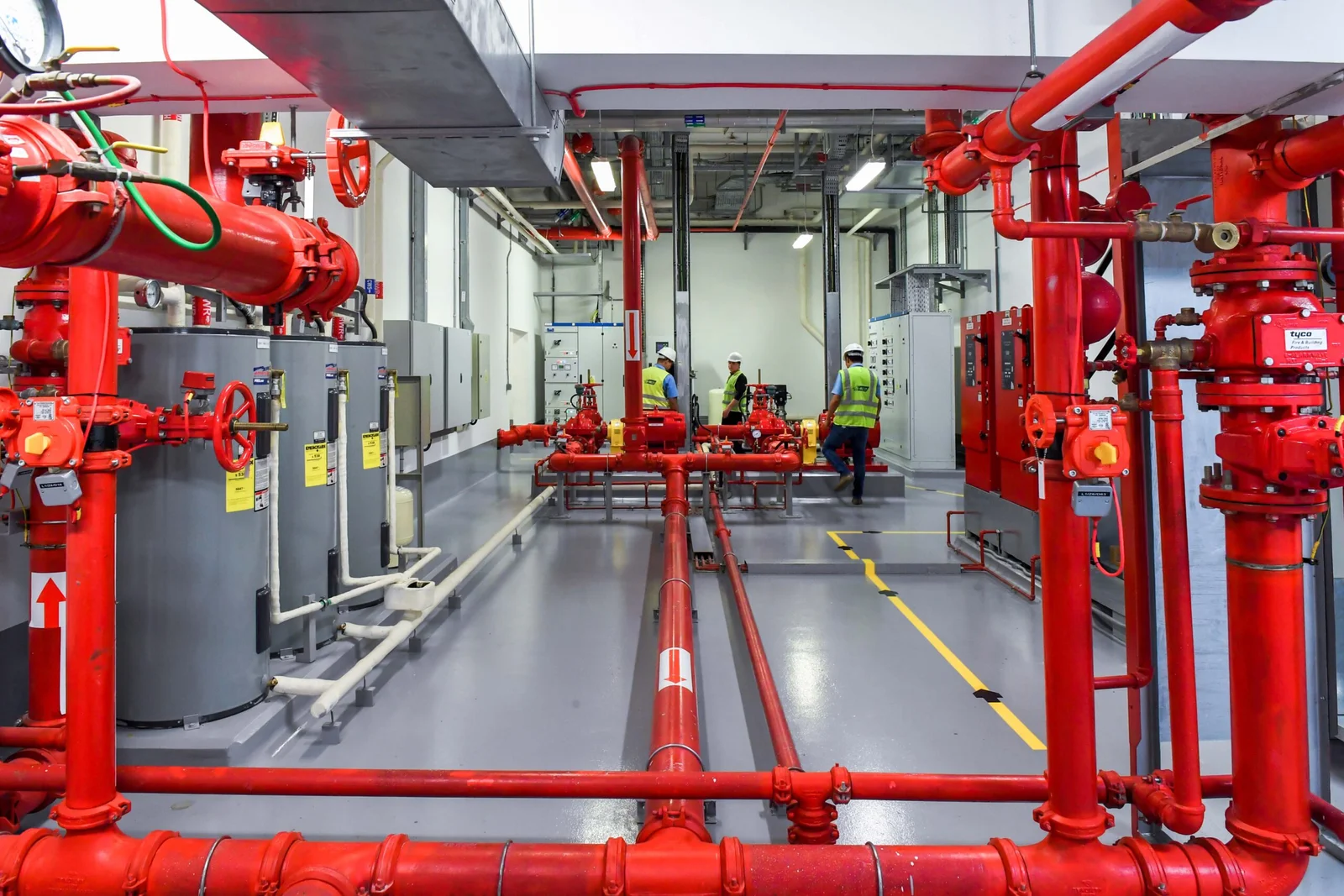
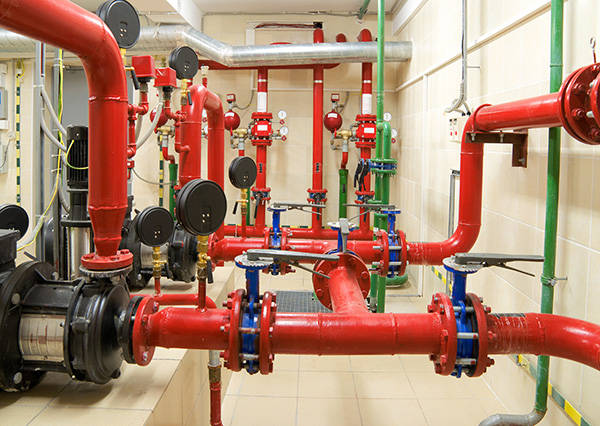
Fire safety is not just a requirement—it’s a responsibility. Whether it’s a residential building, commercial establishment, or industrial facility, having a reliable fire protection system in place is essential for ensuring safety, compliance, and peace of mind. A well-designed system can make the difference between a minor incident and a devastating loss.

At the core of any effective safety strategy lies a professionally installed and well-maintained fire protection system that detects, controls, and prevents fire-related hazards before they escalate.

The Importance of Fire Protection Systems

Fire can spread rapidly, causing irreparable damage within minutes. An efficient fire protection system acts as your first line of defense, providing early detection and automatic suppression to minimise damage and save lives.

Modern systems are designed not just to extinguish flames but to alert occupants, trigger sprinklers or suppression mechanisms, and notify emergency responders immediately. With the right system in place, businesses and homeowners can prevent costly damages and maintain compliance with fire safety regulations.

Key Components of an Effective Fire Protection System

A comprehensive fire protection setup typically includes several integrated components that work together to ensure maximum coverage and efficiency.

Fire Detection Systems:

Smoke detectors, heat sensors, and flame detectors identify potential fire hazards early, providing crucial seconds for evacuation and control.

Fire Alarm Systems:

Once a hazard is detected, alarms are triggered to alert occupants and emergency personnel. Modern systems can even be connected to monitoring centers for real-time response.

Fire Suppression Systems:

These systems use water, gas, foam, or chemical agents to contain or extinguish fires automatically. Common examples include sprinkler systems, CO₂ suppression, and foam-based systems.

Emergency Lighting and Exit Signs:

Properly illuminated pathways guide people safely out of the building during an emergency, even if visibility is poor due to smoke.

Manual Firefighting Equipment:

Fire extinguishers and hose reels remain vital for quick, on-the-spot firefighting before professional responders arrive.

Each of these elements must be designed and installed according to the specific risks and requirements of your property.

Benefits of Installing a Professional Fire Protection System

  • Early Detection and Prevention: Advanced sensors and alarms detect fires in their earliest stages, minimising risk and damage.
  • Safety Compliance: Meet local building codes and Australian fire safety standards effortlessly.
  • Property and Asset Protection: Reduce losses from fire damage and maintain business continuity.
  • Lower Insurance Premiums: Many insurers offer discounts for properties with certified fire systems.
  • Peace of Mind: Knowing your property is equipped with the latest safety technology gives you and your occupants confidence.

Why Professional Installation Matters

While fire protection equipment can be purchased easily, professional design and installation ensure the system functions effectively when needed most. Certified technicians evaluate your property layout, fire load, and occupancy type to create a system that delivers optimal coverage.

Routine inspections, testing, and maintenance are equally important. Over time, sensors, alarms, and valves can degrade or become obstructed. A professional maintenance service ensures your system remains fully operational and compliant with regulations year-round.

Customised Solutions for Every Property

Every building has unique fire risks—what works for a small office may not suit a factory or apartment complex. Professional fire protection companies offer tailored solutions, including:

  • Commercial Fire Protection Systems for offices, retail spaces, and warehouses.
  • Residential Fire Safety Solutions for apartments and housing developments.
  • Industrial Fire Suppression Systems for factories, workshops, and fuel storage sites.
  • Bushfire Protection Systems for rural and high-risk regions.

Each system is designed with precision, ensuring seamless integration, performance reliability, and regulatory compliance.

Investing in Long-Term Safety

Installing a fire protection system is an investment in security and resilience. Beyond compliance, it demonstrates a commitment to safety and responsibility toward occupants, employees, and the community. A reliable fire safety partner ensures that your system evolves with changing technology and safety requirements.

Modern systems can be integrated with smart building management tools, allowing remote monitoring and instant alerts to your mobile device. This ensures rapid response even when you’re away from the site.

Protect What Matters Most

Fires are unpredictable, but protection doesn’t have to be. With the right fire protection system, you can safeguard lives, property, and business operations with confidence. From early detection to swift suppression, these systems are designed to respond instantly, minimising loss and maximising safety.

Don’t wait for an emergency to expose vulnerabilities. Invest today in a trusted, fully compliant, and efficient fire protection solution tailored to your property’s needs.

Conclusion

Fire safety is not something to take lightly. A reliable fire protection system is an essential safeguard for every home, business, or industrial facility. It provides early detection, swift suppression, and complete peace of mind — ensuring that when danger strikes, you’re fully prepared. By investing in a professionally designed and maintained system, you’re not only complying with safety regulations but also protecting lives, property, and your future.

Don’t wait for an emergency to reveal the importance of prevention. Take proactive steps today — install, inspect, and maintain your fire protection system with trusted experts. Protect what matters most and ensure safety, security, and confidence for years to come.

Why Are Bushfire Shutters In Sydney Essential For Your Home?

Sydney, with its beautiful coastal landscapes and scenic bushland, is no stranger to the threat of bushfires, especially during the dry, summer months. Protecting your home from the devastating impact of a bushfire should be a priority. One of the most effective ways to do so is by installing bushfire shutters in Sydney. These specially designed shutters offer essential protection against flying embers, radiant heat, and other fire-related dangers. In this blog, we’ll explore why bushfire shutters are a crucial addition to your home and how to choose the right ones for your needs.

1. Why Are Bushfire Shutters Important for Sydney Homes?

  1. Protection Against Embers: Bushfire shutters are designed to shield windows and doors from flying embers, which can start fires even before the main blaze reaches your home.
  2. Fire-Resistant Materials: These shutters are made from fire-resistant materials, providing an extra layer of defence against heat and flames.
  3. Reducing Radiant Heat: Bushfire shutters help minimise the radiant heat that can penetrate windows, offering protection to both your home’s structure and the people inside.
  4. Compliance with Regulations: In some areas of Sydney, particularly those located near bushland, bushfire shutters are required to meet local building codes and regulations.
  5. Peace of Mind: Installing bushfire shutters gives homeowners peace of mind, knowing their home is better protected during bushfire season.

2. What Are the Key Features to Look for in Bushfire Shutters?

  1. Bushfire Attack Level (BAL) Rating: Ensure the shutters meet the appropriate BAL rating based on your home’s location and the level of fire risk in your area.
  2. Durability: Look for shutters made of durable, fire-resistant materials like steel or aluminium to withstand extreme temperatures.
  3. Ease of Operation: Choose shutters that can be easily opened and closed, ensuring they are functional in an emergency.
  4. Design and Aesthetics: While protection is the priority, modern bushfire shutters also offer sleek designs that blend well with your home’s exterior.
  5. Weather Resistance: These shutters should not only be fire-resistant but also able to withstand harsh weather conditions such as wind and rain.

3. How Can Bushfire Shutters Save Your Home in the Event of a Fire?

  1. Fire-Resistant Barriers: The shutters create a protective barrier against heat, preventing windows from shattering due to high temperatures.
  2. Preventing Entry of Embers: Closed shutters keep embers from entering your home, which could ignite flammable materials inside.
  3. Shielding Vulnerable Areas: Windows and doors are some of the most vulnerable parts of your home during a bushfire. Shutters reinforce these areas and reduce the risk of damage.
  4. Minimising the Spread of Flames: By blocking direct contact with flames, bushfire shutters help prevent the spread of fire within your property.
  5. Reducing Water Damage: In addition to protecting against fires, high-quality bushfire shutters also reduce the risk of water damage from fire-fighting efforts.

4. How Do You Choose the Right Bushfire Shutters for Your Sydney Home?

  1. Consider the BAL Rating: Check the bushfire attack level in your area to ensure the shutters meet the required fire safety standards.
  2. Assess Window and Door Sizes: Measure the dimensions of your windows and doors to ensure the shutters will fit properly.
  3. Evaluate Installation and Maintenance Needs: Opt for shutters that are easy to install and maintain, ensuring long-lasting protection with minimal upkeep.
  4. Check Warranty and Certifications: Look for shutters that come with a warranty and are certified by relevant authorities to ensure they meet safety standards.
  5. Seek Professional Advice: Work with experts who can assess your property’s specific needs and recommend the most suitable bushfire shutters for your home.

5. Are Bushfire Shutters Worth the Investment?

  1. Enhanced Protection: The primary benefit is the added protection against bushfires, which can prevent costly repairs and loss of property.
  2. Insurance Benefits: Some insurance companies offer discounts for homes with fire protection measures like bushfire shutters.
  3. Increased Home Value: Homes with bushfire protection features are more desirable, especially in bushfire-prone areas.
  4. Peace of Mind: The psychological comfort of knowing you’ve taken steps to protect your home is priceless.
  5. Long-Term Savings: While there is an upfront cost, bushfire shutters can save you money by reducing the likelihood of damage and insurance claims in the event of a fire.

Conclusion:

Investing in bushfire shutters in Sydney is a proactive and effective way to protect your home from the devastating impacts of bushfires. Not only do these shutters offer physical protection, but they also provide peace of mind knowing your property is safer during bushfire season. Ensure that you choose the right shutters by considering your BAL rating, materials, and ease of use, and you’ll have a crucial line of defence when bushfire risks are at their highest.

Guardians Against The Blaze: Understanding Bushfire Protection Systems And How They Work

Australia’s unique landscapes and climate bring with them the ever-present threat of bushfires. In recent years, the need for effective bushfire protection has become more urgent. As communities strive to bolster their defences, advanced bushfire protection systems have emerged as crucial guardians against the blaze. In this blog, we’ll explore the various types of bushfire protection systems and unravel the mechanisms behind their functionality.

1. Ember Attack Mitigation:

One of the primary challenges during a bushfire is the potential for ember attacks, where fiery particles are carried by the wind, sometimes over considerable distances. Bushfire protection systems are designed to mitigate this threat by incorporating features such as ember-proof screens, gutter guards, and sealing mechanisms on openings like windows and doors.

2. Sprinkler Systems:

A widely employed bushfire protection system involves the use of strategically placed sprinkler systems. These systems can be installed on the exterior of buildings, creating a water barrier that prevents the advance of flames. The key is early activation—some systems can be automated based on predefined conditions, while others can be manually triggered.

3. Roof and Wall Coatings:

Fire-resistant coatings applied to roofs and external walls are an integral part of bushfire protection. These coatings act as a shield, providing a layer of defence against radiant heat and direct flame contact. This is particularly important, as radiant heat can ignite combustible materials even without direct flame contact.

4. Bushfire Shutters:

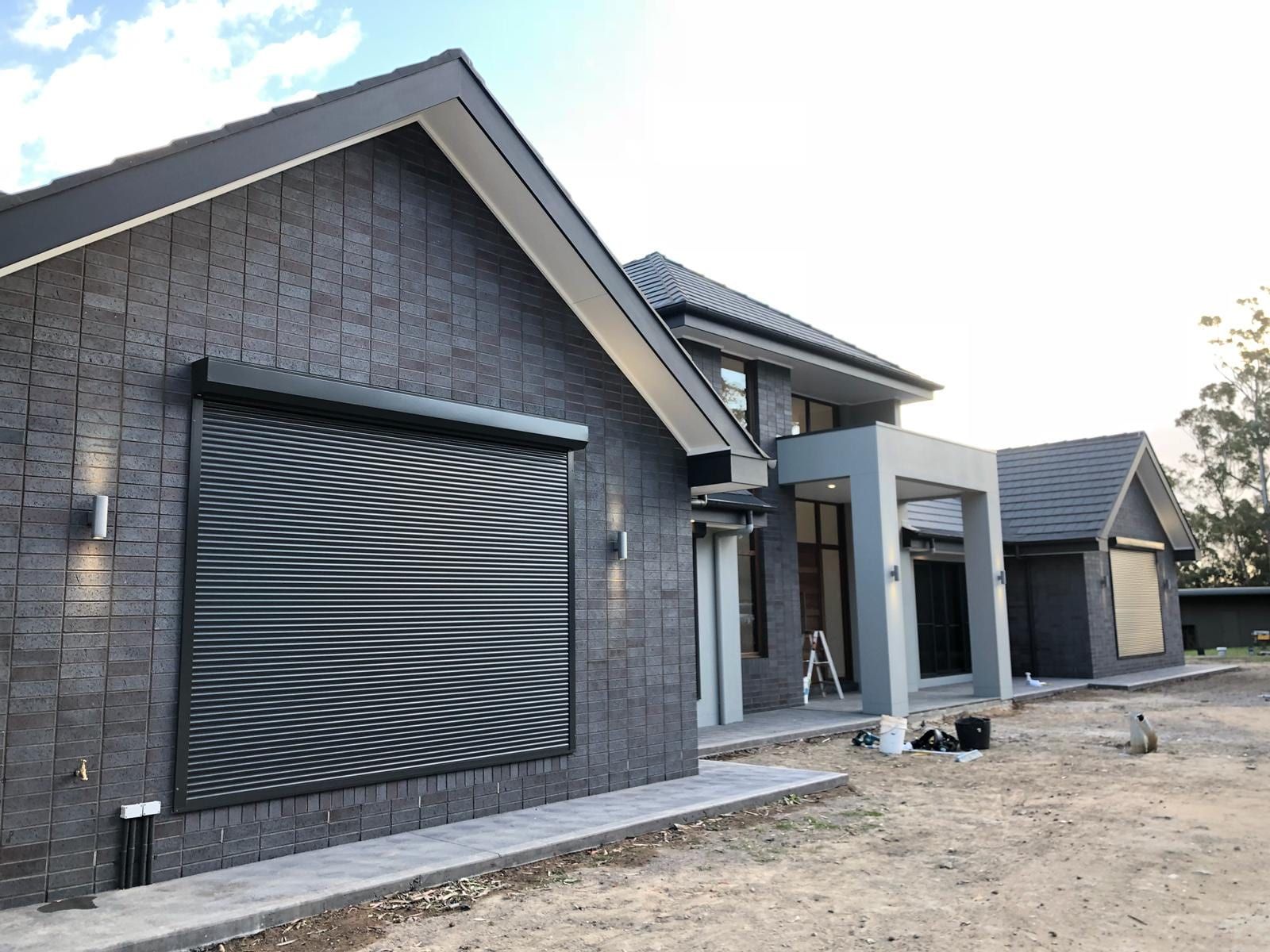
Bushfire shutters are specialised window and door coverings designed to withstand extreme heat and protect against ember attacks. These shutters, often made from fire-resistant materials like aluminium or steel, can be manually or automatically activated. When closed, they create a barrier that helps prevent embers from entering the building.

5. Water Tanks and Pumps:

Adequate water supply is critical for any bushfire protection system. Many homeowners install water tanks to store a sufficient amount of water, and pumps are employed to ensure a steady and reliable water source. This water can be used for sprinkler systems, hoses, and other firefighting equipment.

6. Fuel Management:

Beyond direct structural protection, bushfire defence includes strategies for managing the surrounding vegetation. Fuel management involves creating firebreaks, clearing debris, and maintaining defensible spaces to reduce the availability of combustible materials that can fuel the fire’s spread.

7. Early Warning Systems:

Early warning systems play a pivotal role in bushfire protection. These systems, often integrated with weather monitoring, provide timely alerts to residents, allowing them to implement their bushfire safety plans. The faster the response, the more effective the protection measures can be.

8. Community Engagement and Education:

An often overlooked but essential aspect of bushfire protection systems is community engagement and education. Informed and prepared communities are better equipped to respond effectively to bushfires. Workshops, training programs, and community initiatives contribute to a shared understanding of the risks and the best practices for protection.

As the threat of bushfires continues to loom large, the development and adoption of advanced bushfire protection systems are crucial for safeguarding lives and property. Understanding how these systems work and investing in their implementation can significantly enhance a community’s resilience in the face of this recurring natural hazard. By combining technological innovation, strategic planning, and community collaboration, we can strive towards a future where the impact of bushfires is minimised, and our homes and communities are better protected.

Easy Bushfire Safety Solutions To Protect Your Property And Loved Ones

Bushfires are a common and devastating occurrence in many parts of the world, particularly in countries with dry and hot climates. These fires can spread rapidly, engulfing vast areas of land, destroying homes, and posing a serious threat to human lives. However, with proper preparation and implementation of bushfire safety solutions, you can significantly reduce the risk to your property and loved ones. In this article, we will explore six easy and effective solutions to help protect your property and ensure the safety of your family during a bushfire.

Create a Defensible Space

One of the most crucial bushfire safety solutions is creating a defensible space around your property. This involves clearing flammable materials and vegetation within a certain radius of your home. Ideally, a buffer zone of at least 30 meters should be established, free from debris, dry leaves, and other combustible materials. Regularly maintain this space by trimming overhanging branches, mowing the grass, and removing dead vegetation.

Install Ember Guards

Embers are one of the primary causes of property damage during bushfires. These small burning fragments can be carried by the wind and land on rooftops or accumulate around the perimeter of the house, igniting flammable materials. Installing ember guards on vents, gutters, and gaps in the building’s exterior can help prevent ember intrusion. Use fine metal mesh or screens to cover openings and seal any gaps to ensure maximum protection.

Maintain a Fire-Resistant Roof

The roof is often the most vulnerable part of a house during a bushfire. Embers can easily ignite dry leaves and debris in gutters, leading to a dangerous fire situation. To safeguard your property, consider using fire-resistant materials for your roof, such as metal or tiles. Regularly clean gutters to remove flammable debris, and consider installing gutter guards to prevent buildup. Additionally, ensure that any roof vents or chimneys have ember guards in place.

Install Fire-Resistant Windows and Doors

Windows and doors are another critical entry point for embers during a bushfire. Upgrading to fire-resistant windows and doors can provide added protection. These specialised products are designed to withstand high heat and prevent ember penetration. They can significantly reduce the risk of your home catching fire and provide you with valuable time to evacuate or defend your property.

Develop an Evacuation Plan

Preparing an evacuation plan is vital to ensure the safety of your loved ones during a bushfire emergency. Identify multiple evacuation routes and establish a meeting point away from the danger zone. Discuss the plan with your family members and practice evacuation drills regularly. Keep a “grab-and-go” bag ready with essential documents, medications, emergency supplies, and valuables, making it easier to leave quickly if necessary.

Stay Informed and Alert

Staying informed about the current bushfire situation is crucial for making informed decisions and taking appropriate actions. Install a reliable bushfire alert system, such as a smartphone app or a battery-operated radio, to receive updates from local authorities. Follow official social media accounts or websites of emergency services for real-time information and instructions. Additionally, familiarise yourself with the bushfire danger rating system in your area and understand the different levels of risk.

Conclusion

Bushfires pose a significant threat to both lives and property, but with proper preparation and implementation of bushfire safety solutions, you can minimise the risks. By creating a defensible space, installing ember guards, maintaining a fire-resistant roof, and upgrading windows and doors, you can fortify your property against potential fire damage.

Developing an evacuation plan and staying informed through reliable sources are also crucial steps in ensuring the safety of your loved ones. Remember, being proactive and taking these measures can make a significant difference during a bushfire emergency.

Four Important Benefits Of Fire Protection

In any business, the owners always have to remain cautious for fire safety. A spark of fire can destroy the entire region within a few seconds. That is why every owner needs to take care of fire protection services. These systems reduce the damage to buildings and expensive items.

Smoke detectors, sprinkler systems, and fire suppression systems play a great role in protecting building occupants. Many business people don’t pay attention to these, and the result and effect is damage to buildings in a few hours.

What Are The Benefits Of Fire Services?

It is important to take care of the fire services. In the long run, it has several advantages. These are as follows and have a look at them. 

● The greatest benefit of fire protection services is that in the long run, it saves you money. An office is not built in a day. Think of the hardware and other equipment that are there in the office. It will cost millions of losses to the company if proper fire protection is not taken timely. 

● Other than that, everyone can work safely in the office because of fire protection. Otherwise, everyone always has to remain in tension about what might happen to their life if fire catches all of a sudden. 

● Furthermore, if fire catches, then the only option is to close the shop for some time and to repair it. You have to spend money on the repair and suffer loss for weeks or months because no customer will visit the shop. You also have to move the equipment, and valuable items might get lost. Other than that, lots of harassment and stress are also there to deal with the situation patiently. 

● Lastly, another benefit of fire protection services is the automatic dispatching of emergency services. These systems will work efficiently and notify the authorities to look for emergency experts at your location. 

Different Types Of Fire Protection

Fire protection services can be of two types, active and passive. If the building or the shop is under construction, then the architecture and contractor incorporate passive fire protection. It means escape from fire doors and fire escapes. 

The use of non-inflammable materials during construction is also referred to as a fire protection service. Fire can catch at any moment in time. That is why it is important to take care of all these things before all these consequences occur.

On the other hand, active fire protection services include to reacts only when the fire catches. Some examples of active fire protection services are sprinklers and suppression systems. These are helpful when a fire catches all of a sudden. The services are helpful and reduce the damage. 

Lastly, we must mention that fire protection services are very important to take care of, instead of waiting for the fire to catch and damage all the equipment. It is essential to take precautions. That is why almost every shop thinks of taking fire services for a better future. 

4 Top Ways To Decorate Glass Fire Doors In Style

Safety and visibility come first to people. Over the years, building teams have pushed the limits of what’s possible indoors with stringent fire and life safety standards, narrowing the purpose of these glass fire doors from bright, open exits to entrances that seamlessly integrate with non-rated materials. Can use today’s fire-rated glazing materials. To fully reap the benefits of these advanced offerings, consider the following tips when specifying glass fire door assemblies.

1. Prioritise transparency

Building industry professionals can also select from a suite of products with nearly distortion-free viewing surfaces for clear fire-rated glazing. For example, fire-resistant glazing products, such as glass fire doors and ceramics, can be ground and polished on both sides. This type of glass has a smooth surface finish, high visible light transmission, and low reflection, making it ideal for doors where exceptional clarity is desired.

Fire-resistant transparent wall panels, which are often used in temperature-rise doors, can also meet visual requirements. They enable large, clear viewing areas in locations subject to strict fire-rate criteria by code.

2. Create a visual match

Although traditional hollow-metal steel fire door and frame assemblies can provide the necessary fire protection, the size and shape of their frame profiles may not match the surrounding windows and curtain walls. New generation glass fire doors can help overcome this challenge with their sleek form.

For example, using inherently heat-resistant framing materials such as carbon steel generally does not require a thermal barrier in their core to achieve the required fire protection. Their thin, extruded profile and crisp edges closely match the aesthetic and technical aspects of traditional aluminium frames for indoor applications for design teams that require strict fire protection.

Building industry professionals can now select from a wide array of versatile frame cover caps to help match glass fire doors to surrounding materials. They allow the design team to create a cohesive look across interior or exterior spaces without altering the fire and life safety performance of the frame.

3. Create fire-rated focal points

While maintaining visual harmony between fire-rated and non-fire-rated elements is an important design goal in many buildings, in others, it is equally important to differentiate the design. A character-defining entrance, for example, can help set the tone for a building and invite people to come inside.

In assemblies where building teams need to achieve a more custom look, from bold colours to muted colours, there is an ever-increasing range of options from which to choose. Glass fire doors and frames are customs painted, anodised, or powder coated to meet project goals.

4. Add a decorative surface treatment

For aesthetic purposes, designs may call for fire-rated glass doors with a decorative surface treatment. An example is healthcare facilities, where glass fire doors designated by code to provide fire protection may also need to balance light transmission with patient privacy. To meet the needs of specific projects, manufacturers and suppliers now offer fire-rated glass with decorative treatments that will not affect its integrity.

Today’s fire-rated glazing materials provide the aesthetic properties necessary to support a wide range of design goals in glass fire door assemblies.