
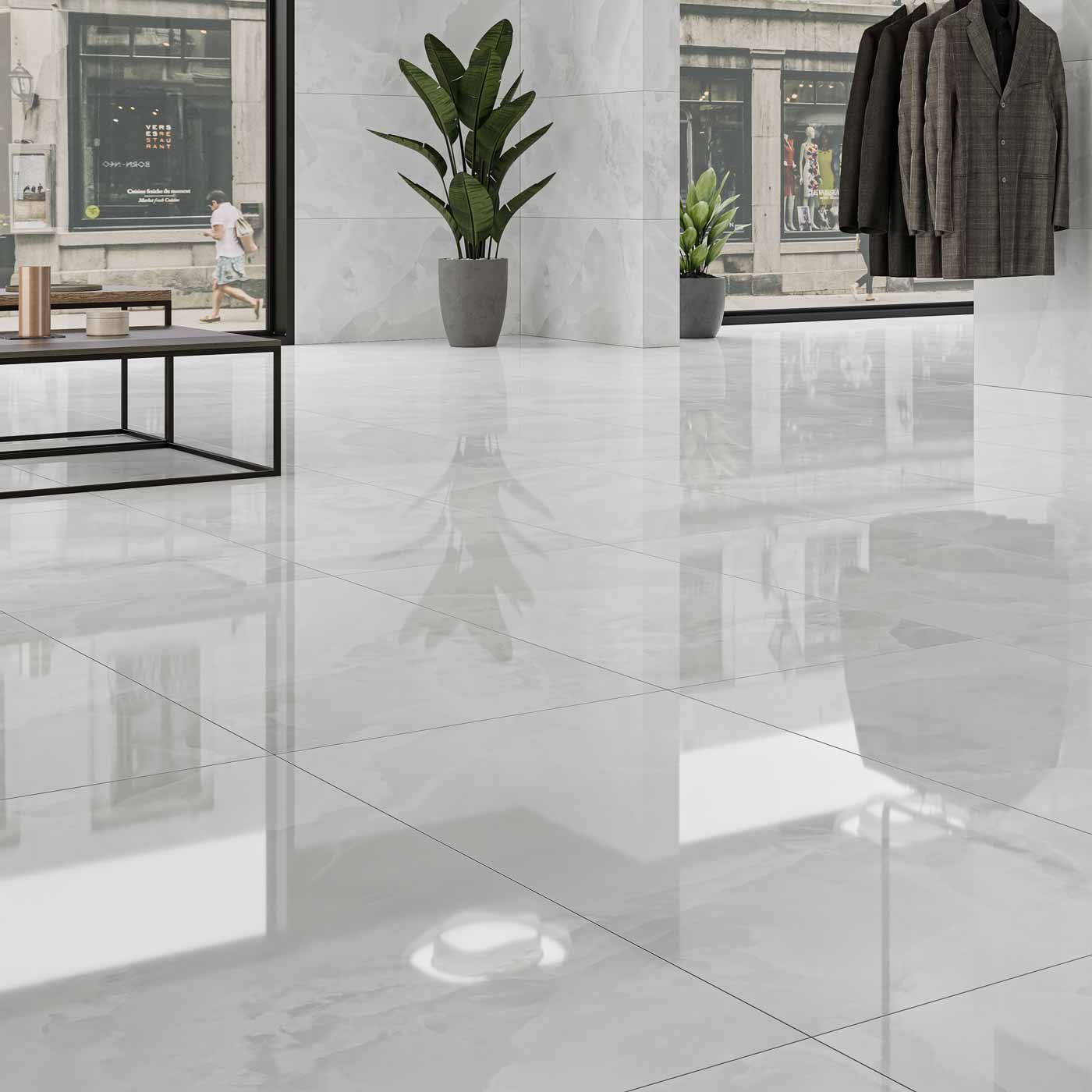
Indoor tiles are an important design feature in modern homes, providing a combination of functionality, durability, and visual appeal. They are commonly used in kitchens, bathrooms, living rooms, dining areas, laundries, and hallways. Homeowners planning a renovation or building a new property can explore indoor tiles the ponds to compare suitable materials, finishes, colours, and sizes for different rooms.
Choose the Right Tile Material
The material selected for indoor tiles should match the room’s purpose and expected usage. Ceramic tiles are available in many designs and are commonly used for interior walls and selected floors. Porcelain tiles are generally denser and have lower water absorption, making them a practical option for many frequently used areas.
Stone-look and timber-look tiles can create different interior styles without using natural stone or timber flooring. Marble-look tiles may complement elegant interiors, while wood-look designs can provide a warm appearance in living rooms and bedrooms.
When selecting a material, review its technical specifications, recommended applications, and maintenance requirements. Not every tile is suitable for every indoor surface.
Select Tiles for Different Rooms
Living rooms and dining areas often benefit from durable tiles that complement furniture, wall colours, and lighting. Large-format tiles can create a more continuous appearance across open-plan spaces.
For kitchens, choose surfaces that can be cleaned easily and withstand regular foot traffic. Wall tiles behind cooking and preparation areas should be suitable for their exposure to splashes and cleaning products.
Bathrooms require particular attention because floors and walls experience frequent moisture. Select products intended for wet areas, and check the floor tile’s slip resistance. Laundry areas also benefit from tiles that are appropriate for moisture exposure and routine cleaning.
Explore Colours and Finishes
Tile colours can influence the atmosphere of an interior. White, cream, beige, and light grey tiles can help create a bright, understated appearance. Charcoal, brown, and darker grey shades can introduce contrast and suit selected contemporary designs.
Glossy tiles reflect more light and are often used on walls, while matte finishes offer a softer visual effect. For floors, consider how the finish performs underfoot and how easily it shows dirt, water marks, and everyday wear.
Before purchasing, compare physical samples with your existing cabinetry, benchtops, furniture, and paint colours. Lighting can change how a tile appears throughout the day.
Plan Measurements and Installation
Accurate measurements are essential when estimating the number of tiles required. Calculate the floor or wall area and allow additional material for cutting, breakage, and future repairs. The amount of extra material depends on the tile size, installation pattern, and room layout.
Surface preparation is equally important. Uneven floors, unsuitable substrates, and inadequate waterproofing can affect the finished installation. Ask a qualified tiler or supplier about the preparation and installation requirements for your chosen product.
Consider Long-Term Maintenance
Regular cleaning helps maintain tiled surfaces. Use suitable cleaning products and follow the manufacturer’s instructions. Grout lines may require periodic cleaning, and some natural stone products need additional sealing or specialised care.
Conclusion
Selecting indoor tiles the ponds involves balancing appearance, durability, safety, maintenance, and budget. Consider the requirements of each room, compare different materials and finishes, and confirm that the chosen tiles are suitable for their intended applications. Visit a tile showroom or contact a local supplier to review samples, check product availability, and plan a tile selection that complements your home’s interior.