
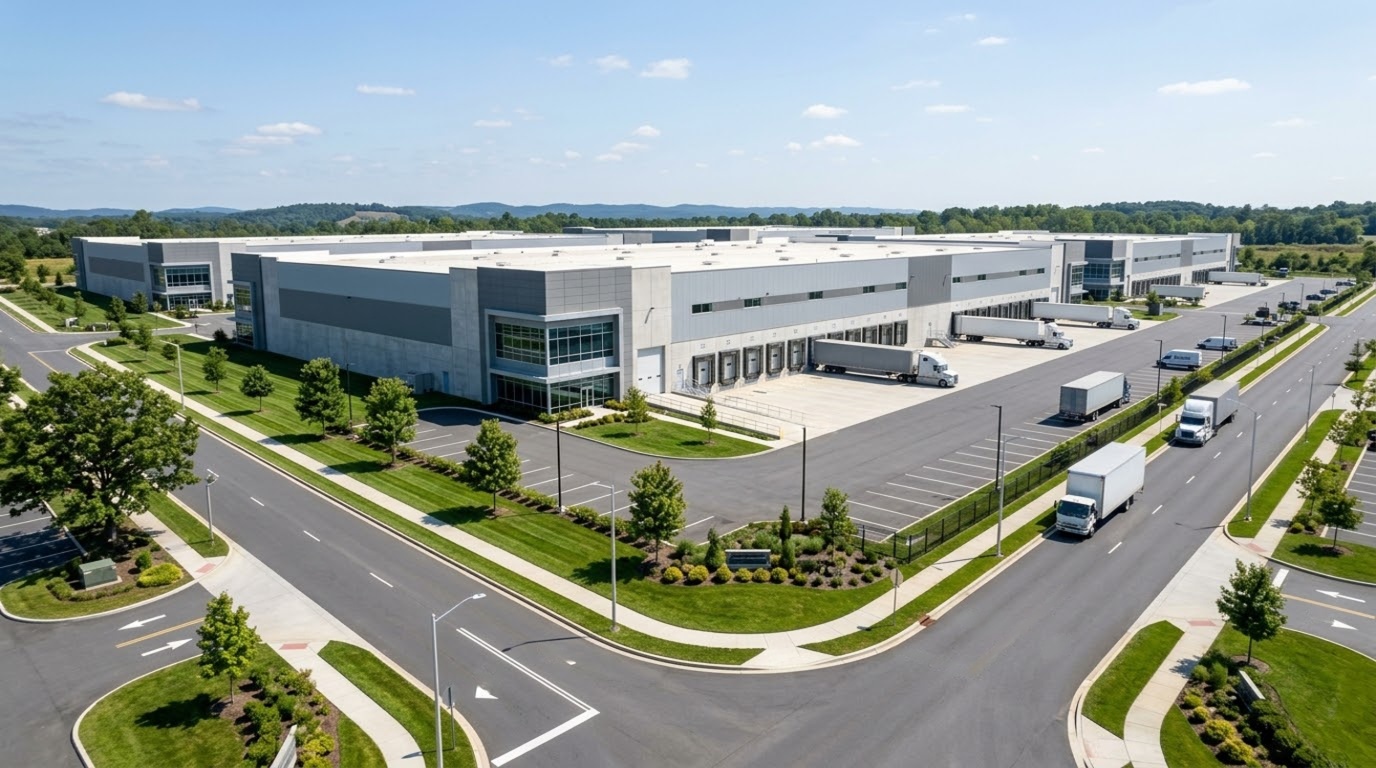
Managing an industrial property requires careful planning, regular maintenance, and attention to the needs of tenants and businesses. Warehouses, factories, workshops, and distribution facilities often have specialised requirements that differ from standard commercial buildings. A structured management approach can help maintain the property, coordinate essential services, and support smooth daily operations.
What Is Industrial Property Management?
Industrial property management involves overseeing the day-to-day and long-term requirements of industrial buildings. This may include maintenance, inspections, tenant communication, lease administration, contractor coordination, financial monitoring, and property improvements.
Industrial facilities can contain loading docks, large storage areas, specialised electrical systems, heavy-duty flooring, machinery spaces, and extensive outdoor areas. Each component may require different maintenance schedules and management procedures.
Why Is Professional Management Important?
Industrial properties are often large and complex. A small maintenance issue can sometimes affect business operations if it is not addressed appropriately. Regular property inspections and proactive maintenance can help identify potential issues before they become more disruptive.
Professional management can assist with:
- Routine property inspections
- Preventive maintenance
- Repairs and contractor coordination
- Tenant communication
- Lease administration
- Budget and expense monitoring
- Compliance-related coordination
- Long-term property planning
The exact services required will depend on the building, its occupants, and the terms of individual leases.
What Maintenance Does an Industrial Property Need?
Industrial buildings require regular attention to both internal and external areas. Roofing, drainage, electrical systems, plumbing, lighting, ventilation, doors, flooring, loading zones, and access areas may all require periodic inspection.
Preventive maintenance schedules can help property managers keep track of routine servicing. Addressing minor defects early can also reduce the likelihood of larger repair requirements later.
Maintenance records should include completed work, inspection dates, contractor details, and any follow-up actions that may be required.
How Does Tenant Management Work?
Industrial tenants may have different operating hours, equipment, storage requirements, and access needs. Clear communication can help property managers understand these requirements and respond to maintenance requests efficiently.
A central system for recording tenant requests can make it easier to track reported issues, assign contractors, monitor progress, and confirm completion. Clear communication can also help minimise misunderstandings regarding maintenance responsibilities.
Why Are Property Inspections Important?
Regular inspections provide useful information about the condition of an industrial building. Managers can review structural elements, external areas, access points, safety-related features, drainage, lighting, and other important components.
Inspection reports can create a record of property conditions and help identify areas requiring maintenance or future investment. Photographs and dated notes can also make it easier to monitor changes over time.
How Can Lease Administration Help?
Industrial leases can include detailed terms covering rent, repairs, insurance, permitted property use, maintenance responsibilities, renewal dates, and other obligations. Keeping this information organised can help property managers monitor important requirements.
Reviewing lease conditions can also clarify which responsibilities belong to the property owner and which are assigned to tenants. This can support more efficient handling of maintenance requests and property expenses.
How Can Costs Be Managed?
Managing industrial properties involves ongoing operating and maintenance expenses. Establishing a maintenance budget can help owners plan for routine servicing as well as unexpected repairs.
Comparing contractor quotes, tracking recurring expenses, reviewing maintenance records, and planning major improvements in advance can provide better control over property-related costs.
How Can Local Management Be Useful?
Searching for Industrial Property Management Near you can make it easier to access professionals who understand local property conditions and service requirements. Local availability may also simplify contractor coordination, property inspections, tenant communication, and maintenance scheduling.
However, property owners should consider experience, service scope, communication processes, fees, and relevant industrial property knowledge before selecting a management provider.
Conclusion
Industrial properties require consistent attention to maintenance, tenants, leases, inspections, and financial planning. A proactive approach can help maintain building functionality while supporting the needs of businesses operating from the property. Choosing suitable Industrial Property Management Near you can provide a structured way to coordinate essential responsibilities and maintain the property over the long term.