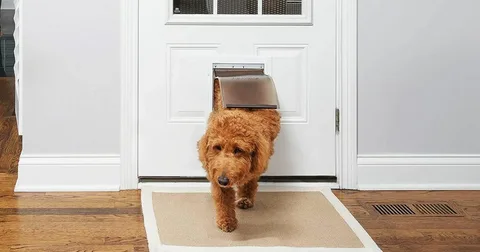
Internal parasites are a common health concern for pets of all ages. Regular pet worming plays a vital role in protecting animals from harmful intestinal worms that can affect their growth, energy levels and overall wellbeing. Preventative care is one of the simplest and most effective ways to keep pets healthy and comfortable.
What Is Pet Worming?
Pet worming refers to the use of veterinary-approved treatments designed to eliminate internal parasites. These parasites commonly include roundworms, hookworms, whipworms and tapeworms. Without treatment, worms can multiply inside a pet’s digestive system and cause a range of health issues.
Worming treatments are available in various forms, including tablets, chewables, liquids and spot-on applications.
Why Is Regular Worming Important?
Routine worming offers several key benefits:
✔ Protects pets from internal parasites
✔ Reduces the risk of digestive problems
✔ Supports healthy growth in puppies and kittens
✔ Minimises the risk of transmission to other animals
✔ Helps protect household members from zoonotic parasites
Some worms can be transmitted to humans, making regular prevention important for the entire household.
Signs Your Pet May Have Worms
Although some pets show no obvious symptoms, common signs of worm infestation include:
- Vomiting or diarrhoea
- Weight loss despite normal appetite
- Bloated abdomen
- Dull coat condition
- Visible worms in faeces
If any of these symptoms appear, consulting a veterinarian is recommended.
How Often Should Pets Be Wormed?
Worming schedules vary depending on age and lifestyle:
Puppies and kittens
Typically require more frequent worming during their early months.
Adult pets
Usually require treatment every three months, though this may vary based on risk factors.
Outdoor or hunting pets
May need more regular treatment due to increased exposure.
A veterinarian can provide personalised advice based on the pet’s age, health and environment.
Choosing The Right Worming Treatment
When selecting a worming product, consider:
- The type of worms covered
- The pet’s age and weight
- Ease of administration
- Veterinary recommendations
Broad-spectrum treatments are commonly preferred as they protect against multiple parasite types.
Preventative Care Beyond Worming
In addition to regular worming, maintaining good hygiene practices helps reduce reinfestation. These include:
✔ Cleaning up pet waste promptly
✔ Washing hands after handling pets
✔ Maintaining clean living areas
✔ Controlling fleas, which can transmit certain worms
A complete parasite prevention plan supports long-term health.
Conclusion
Regular pet worming is a crucial part of responsible pet care. By preventing internal parasites, it helps maintain digestive health, supports growth and protects both pets and families. Consulting a veterinarian for an appropriate worming schedule ensures pets remain healthy, active and comfortable throughout every stage of life.