
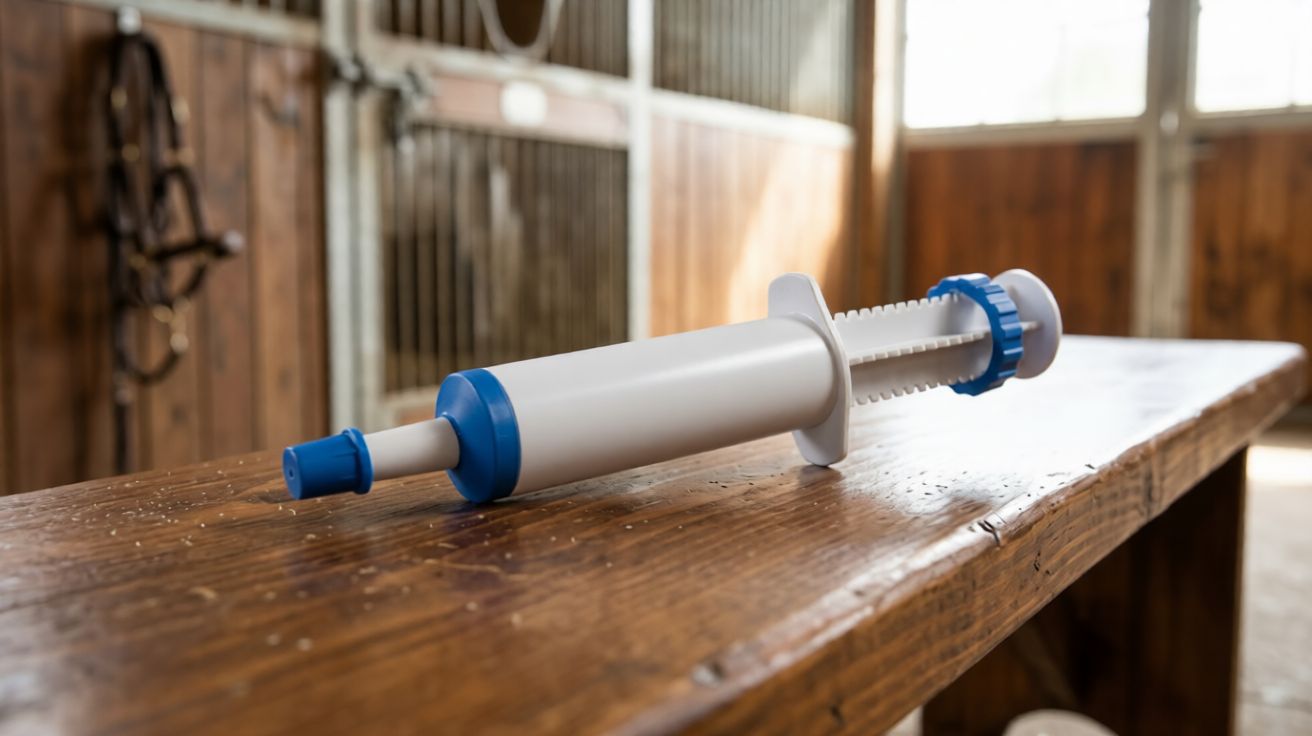
Maintaining a horse’s digestive health is an important part of responsible horse care. Internal parasites can affect a horse’s condition, digestion, growth, and overall wellbeing if they are not managed properly. A suitable parasite control plan, combined with regular veterinary advice, can help reduce these risks and support long-term health.
Choosing horse worming paste requires an understanding of the parasites that affect horses, the active ingredients in different products, and the horse’s individual needs. Rather than following the same schedule for every animal, owners should consider veterinary recommendations, local parasite risks, and appropriate testing when planning parasite control.
Why Is Worming Important for Horses?
Horses can be exposed to internal parasites through contaminated pasture, feed, water, and contact with infected manure. Depending on the parasite involved, an infestation may interfere with digestion, affect body condition, or contribute to more serious health problems.
Common equine parasites include small strongyles, large strongyles, roundworms, tapeworms, and pinworms. The risks vary according to the horse’s age, environment, grazing habits, and previous parasite exposure.
Signs of a possible parasite problem can include unexplained weight loss, poor coat condition, diarrhoea, reduced performance, or a pot-bellied appearance in young horses. However, these symptoms can also indicate other conditions, and some infected horses show no obvious signs. Veterinary assessment and faecal testing can help identify potential problems.
What Should You Consider When Choosing a Worming Paste?
Selecting a suitable product involves more than choosing a familiar brand. Different treatments target different parasites, and no single product is necessarily appropriate for every horse or situation.
Identify the Target Parasites
Before selecting a treatment, consider which parasites need to be controlled. Some products target particular roundworms, while others also cover tapeworms or other parasites, depending on their active ingredients.
A veterinarian can recommend suitable treatment based on faecal egg counts, the horse’s history, and local parasite risks. This approach helps avoid unnecessary treatments and supports more effective parasite management.
Check the Active Ingredients
The active ingredient determines which parasites a product targets. Common equine anthelmintic ingredients include ivermectin, moxidectin, pyrantel, and fenbendazole. Their coverage, restrictions, and suitability differ.
Always read the product label carefully and confirm that the treatment is appropriate for the horse’s age, weight, and health status. Do not combine products or repeat doses without suitable professional guidance.
Consider the Horse’s Age and Health
Foals, young horses, pregnant mares, older animals, and horses with existing health concerns may require different considerations. Young horses, for example, can face different parasite risks from mature animals.
A veterinarian can help determine whether a particular product is suitable and whether additional precautions are necessary.
Calculate the Correct Dose
Accurate dosing is essential for effective parasite control and animal safety. Underestimating a horse’s weight may result in an insufficient dose, while incorrect administration can increase the risk of adverse effects.
Use a suitable weight tape or another reliable weighing method, follow the manufacturer’s instructions, and ensure the dosing device is set correctly. If the horse’s weight or the appropriate dose is uncertain, seek professional advice before administering treatment.
How Often Should Horses Be Wormed?
There is no single worming schedule that suits every horse. Traditional routine treatment at fixed intervals may contribute to anthelmintic resistance, where parasites become less susceptible to medicines over time.
Modern parasite management often uses faecal egg counts, veterinary assessments, and targeted treatment decisions. A faecal egg count measures parasite eggs in a manure sample and helps identify horses shedding larger numbers of eggs.
However, testing does not detect every parasite equally well. For example, tapeworms and certain immature parasite stages may require additional assessment or a different testing approach.
The appropriate frequency of testing and treatment depends on the horse’s age, grazing conditions, previous results, and local veterinary recommendations.
What Is Anthelmintic Resistance, and Why Does It Matter?
Anthelmintic resistance occurs when parasites survive treatments that previously controlled them effectively. Repeated unnecessary treatment and incorrect dosing can contribute to this problem.
Resistance can make future parasite control more difficult and may reduce the effectiveness of certain medicines. To help manage this risk, horse owners should avoid automatically treating every animal on the same timetable.
Veterinary-guided testing, accurate dosing, appropriate product selection, and monitoring treatment effectiveness can help preserve the usefulness of available medicines.
How Can Pasture Management Reduce Parasite Risks?
Worming is only one part of a complete parasite control programme. Good pasture management can reduce exposure to infective parasite stages and support healthier grazing conditions.
Useful practices include:
- Removing manure from paddocks regularly where practical.
- Avoiding excessive stocking densities that increase pasture contamination.
- Rotating grazing areas when appropriate for local conditions.
- Keeping feed and water containers clean.
- Quarantining new arrivals and assessing their parasite status before introducing them to established groups.
- Monitoring body condition and seeking veterinary advice when changes occur.
Pasture management practices should be adapted to the property, climate, grazing system, and parasite risks. They work alongside appropriate testing and treatment rather than replacing them.
What Mistakes Should Horse Owners Avoid?
Several common mistakes can make parasite control less effective. Choosing a product without checking its parasite coverage may leave certain infections untreated. Guessing a horse’s weight can also result in inaccurate dosing.
Other problems include treating too frequently without a clear reason, ignoring veterinary testing recommendations, and assuming that the absence of symptoms means the horse has no parasites.
Owners should also avoid using medicines intended for other animals unless a veterinarian specifically advises their use. Follow all label instructions, storage requirements, and relevant withholding periods for horses intended for food production.
Conclusion
Effective parasite control involves understanding the horse’s individual needs, identifying relevant parasite risks, selecting suitable treatments, and maintaining good pasture hygiene. Choosing horse worming paste should be based on the product’s active ingredients, intended coverage, dosing instructions, and veterinary guidance rather than a fixed routine alone.
Regular monitoring and targeted treatment can help protect equine health while reducing the risk of anthelmintic resistance. By working with a veterinarian and following a practical parasite management plan, horse owners can make informed decisions that support their animals’ long-term wellbeing.