
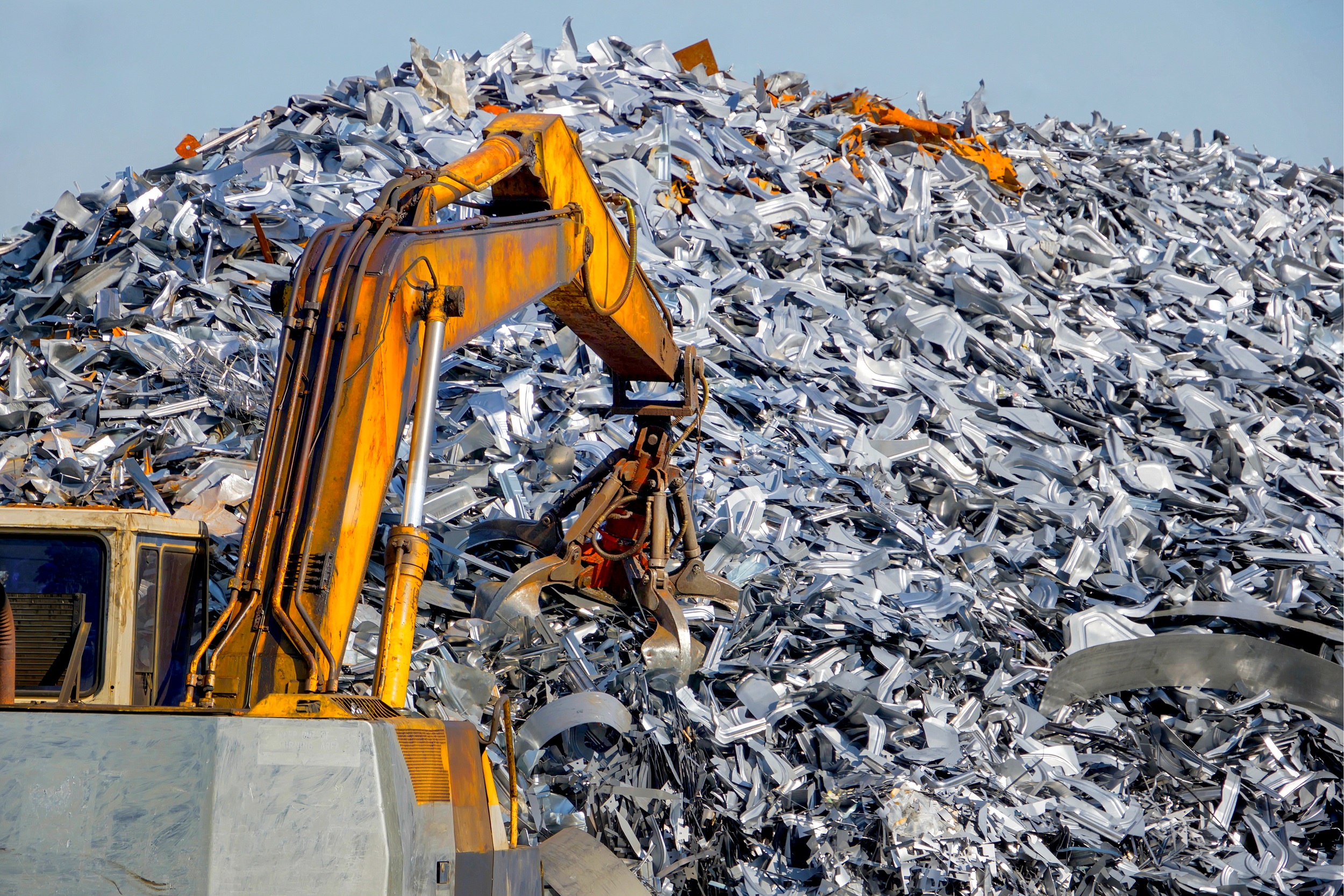
Scrap metal recycling in Bankstown is an effective way to manage unwanted metal materials while supporting environmental sustainability. Old appliances, aluminium sheets, copper wires, steel parts and other metal items can often be recycled instead of being sent to landfill. Recycling helps recover valuable materials, conserve natural resources and reduce unnecessary waste. Households, tradespeople and businesses can all benefit from adopting responsible metal disposal practices.
What Types of Scrap Metal Can Be Recycled?
Many everyday items contain recyclable metals. Common examples include copper pipes, aluminium frames, steel components, brass fittings, metal roofing sheets, machinery parts and selected electrical materials. Old tools, damaged equipment and metal offcuts from construction or renovation projects may also be suitable for recycling.
Metals are generally classified as ferrous or non-ferrous. Ferrous metals contain iron and include many types of steel, while non-ferrous metals include copper, aluminium, brass and lead. Separating these materials can make sorting and processing more efficient.
Before transporting scrap, check which materials the recycling facility accepts and whether items need to be separated or prepared in advance.
Why Is Scrap Metal Recycling Important?
Metal recycling helps reduce the demand for newly extracted raw materials. Mining and metal production require energy, water and other resources, while recovering existing metals can help conserve these resources. Recycling also reduces the amount of discarded material that may otherwise occupy valuable landfill space.
For commercial operations, recycling provides a practical solution for managing leftover materials from building projects, manufacturing activities, plumbing work and mechanical repairs. Establishing a regular recycling process can improve waste organisation and support more sustainable business practices.
How Does the Scrap Metal Recycling Process Work?
The recycling process typically begins with the collection and sorting of unwanted metal. Materials are separated according to their type, quality and suitability for processing. Recyclers may use specialised equipment to identify and classify different metals.
Once sorted, the scrap may be cleaned, cut, crushed or shredded, depending on its composition and intended use. The prepared metal is then processed and melted down where appropriate. Recovered material can be used to manufacture new products, including building components, machinery parts and various industrial materials.
Following the correct procedures helps ensure that recyclable metals are handled efficiently and safely.
How Can Businesses Benefit from Recycling Scrap Metal?
Construction companies, workshops, factories and other commercial operations can generate significant quantities of scrap metal. Instead of allowing these materials to accumulate, businesses can organise regular collection and recycling arrangements.
A dedicated storage area helps keep metal offcuts separate from general waste. Clear sorting procedures can also make it easier for employees to identify recyclable materials during daily operations.
Depending on the metal type, quantity, condition and current market prices, some recyclable materials may have financial value. Businesses should ask recycling providers about accepted grades, weighing methods and payment arrangements before delivering their scrap.
How Should Scrap Metal Be Prepared for Recycling?
Preparing metal correctly can simplify transportation and processing. Separate copper, aluminium, brass and steel where practical, and remove non-metal attachments when it is safe to do so. Keep recyclable materials away from general rubbish to reduce contamination.
Heavy objects should be moved using suitable equipment, and sharp edges should be handled carefully. Items containing oils, chemicals, batteries or other potentially hazardous components may require specialised treatment before recycling.
Electrical equipment, gas cylinders and sealed containers should not be dismantled or cut open without appropriate professional assessment. Always follow the recycling facility’s safety instructions.
How to Choose a Reliable Local Recycling Facility
When comparing recycling providers, check their accepted materials, operating procedures, collection services and any applicable charges. Some facilities may handle household quantities, while others specialise in commercial scrap or larger industrial loads.
Ask whether the provider offers collection for bulky items and whether materials must be sorted before delivery. Clear information about weighing procedures, material acceptance and payment conditions can help avoid confusion.
Choosing a suitable local service makes it easier to maintain an organised recycling routine and manage unwanted metal responsibly.
Conclusion
Scrap metal recycling in Bankstown offers households and businesses a practical way to reduce waste, recover useful materials and support resource conservation. By separating metals, preparing items safely and selecting an appropriate recycling provider, individuals and businesses can improve waste management while helping keep valuable materials in circulation. Regular recycling also encourages more responsible use of resources across the community.