
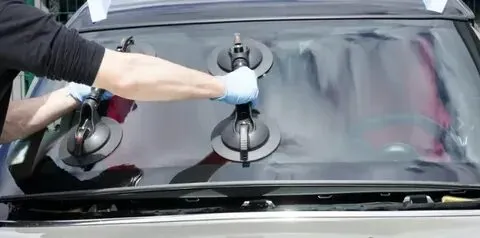
Replacing your car’s windshield is vital for safety and structural integrity, but most drivers ask how long they can drive once the replacement is done. Suppose you are looking for vehicle windshield replacement near you. In that case, it is important to know the waiting time required and the post-replacement driving tips to prevent jeopardising the adhesive bond or the functionality of the windshield. In this article, you will understand why waiting is essential, the variables that affect drive-away time, and driving tips after windshield replacement.
Why is waiting following replacement imperative?
Adhesive applied during windshield replacement must be given time to cure in a way that makes the windshield firmly adhere to the vehicle frame, its structural integrity and safety features intact. Driving prematurely after replacement can interfere with this bond, risking damage such as leaks, moving glass, or detachment when involved in an accident.
Optimal Waiting Time
- The majority of professionals advise a wait of no less than an hour before operating your vehicle after a windshield replacement.
- This window, though, may be extended based on various conditions like the adhesive type used, weather, and vehicle.
- Technicians may instruct waiting up to 24 hours in other instances if cooler temperatures or excess humidity hinder curing.
Factors Affecting Drive-Away Time:
1. Type of Adhesive
- Adhesives have different curing times.
- Urethane adhesives, which are widely used in windshield replacements, take around an hour to cure under ideal conditions.
- Some adhesives, however, take longer based on their composition.
- Always refer to your technician for recommendations based on the adhesive used.
2. Weather Conditions
- Weather conditions greatly influence adhesive curing.
- High temperatures and humidity accelerate the process, enabling you to drive earlier.
- Cold or dry weather decreases the rate of curing, making longer waits necessary.
- Special adhesives or heating methods may be employed during winter months by technicians to achieve a strong bond.
3. Vehicle Type
- The type and shape of your vehicle can also influence drive-away time.
- Bigger vehicles, such as trucks or SUVs, might need extra curing time because they have heavier glass and put greater stress on the adhesive bond.
- Technicians will take these factors into consideration when giving you recommendations for safe times to drive.
Post-Replacement Driving Tips
Even after waiting the suggested amount of time, there are measures that you should observe within the first 24–48 hours after a windshield replacement:
1. Steer Clear of Bumpy Roads
- Riding on bumpy or uneven roads can strain the adhesive bond before it cures completely.
- Attempt to steer clear of dirt roads, potholes, and speed bumps during this time.
- If rough roads are unavoidable, drive slowly to reduce vibrations.
2. Leave Windows Open Slightly
- Having your windows open slightly assists in keeping the proper air pressure within the vehicle, minimising stress on the new windshield while helping the curing process.
3. Don’t Drive at High Speeds and Sudden Braking
- Driving at high speed or sudden braking can produce impact forces that may weaken the bond between the windshield and the frame.
4. Avoid Automatic Car Washes
- Avoid using automatic car washes for a minimum of 48 hours after replacement. The strong water jets from the car wash may loosen the adhesive seal.
Conclusion
Although it may be tempting to hit the road right after having a windshield replaced, allowing the adhesive enough time to cure is important for the sake of safety and longevity. Waiting at least one hour after having your car repaired is recommended by most technicians, but weather, type of adhesive, and vehicle size may lengthen the period. By heeding post-replacement care advice like steering clear of rough roads and high-pressure car washes, you can safeguard your investment and have your new windshield work optimally.
If you are looking for vehicle windshield replacement near you, always turn to experienced professionals who give sound advice on safe drive-away times specific to your circumstances. Understanding these precautions will see you back on the road with confidence while maintaining your vehicle’s safety features!