
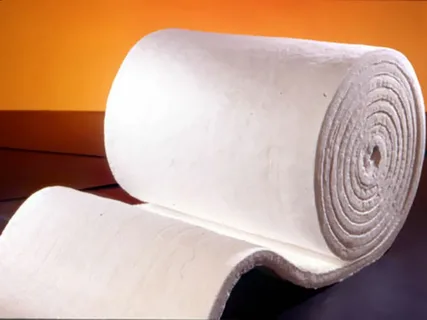
Ceramic Heat Insulation: Advanced Solutions for Temperature Control and Protection
Introduction
In an era where energy efficiency and safety are paramount, ceramic heat insulation has emerged as a frontrunner in advanced thermal management solutions. Utilising the unique properties of ceramics, this form of insulation provides exceptional resistance to heat transfer, making it ideal for various industrial and commercial applications. With the growing emphasis on sustainability and cost-effectiveness, understanding the benefits and applications of these materials is essential for businesses aiming to optimise thermal performance while reducing energy consumption. This article delves into the innovative characteristics of ceramic-based insulation, highlighting its effectiveness in temperature control and protection.
Understanding Ceramic-Based Insulation
These insulation materials comprise ceramics with high melting points, low thermal conductivity, and exceptional structural integrity. These properties make ceramics an excellent choice for insulating applications exposed to extreme temperatures. Common types of ceramic materials used in insulation include alumina, silica, and zirconia, each offering unique benefits tailored to specific needs.
Key Benefits of This Type of Insulation
- Exceptional Thermal Resistance
One of the standout features of ceramic-based insulation is its ability to withstand high temperatures without degrading. This makes it suitable for applications in industries such as aerospace, manufacturing, and power generation, where materials must endure extreme heat conditions. - Energy Efficiency
By minimising heat loss, ceramic-based insulation significantly enhances energy efficiency. This reduction in thermal loss translates to lower energy bills and a decreased carbon footprint, aligning with modern sustainability goals. - Durability and Longevity
Ceramic materials are known for their robustness and resistance to wear and tear. Unlike traditional insulation materials that may deteriorate over time, ceramics maintain their insulating properties for extended periods, resulting in long-term cost savings.
Applications of Ceramic-Based Insulation
- Industrial Furnaces
In the manufacturing sector, ceramic-based insulation is commonly used in industrial furnaces and kilns. It effectively retains heat within the furnace, optimising energy use and improving overall production efficiency. - Aerospace Engineering
The aerospace industry relies on ceramic-based insulation for thermal protection in various components, including engine parts and heat shields. The lightweight nature of ceramics contributes to the overall efficiency of aircraft while ensuring safety. - Power Generation
In power generation, particularly in gas and steam turbines, ceramic-based insulation is used to protect critical components from extreme heat. This application enhances the performance and longevity of turbines, ensuring optimal energy production.
Innovations in Ceramic-Based Insulation
Recent advancements in ceramic technology have led to the development of even more efficient insulation materials. Research is focused on enhancing thermal performance while reducing weight and cost, making ceramic-based insulation more accessible for various industries.
Conclusion
In summary, ceramic heat insulation is a powerful solution for effective temperature control and protection in demanding environments. Its unique properties, including high thermal resistance, durability, and energy efficiency, make it an indispensable component in modern industrial applications. As industries continue to seek ways to improve performance while reducing energy consumption, the significance of ceramic-based insulation will only grow, paving the way for a more sustainable future.