

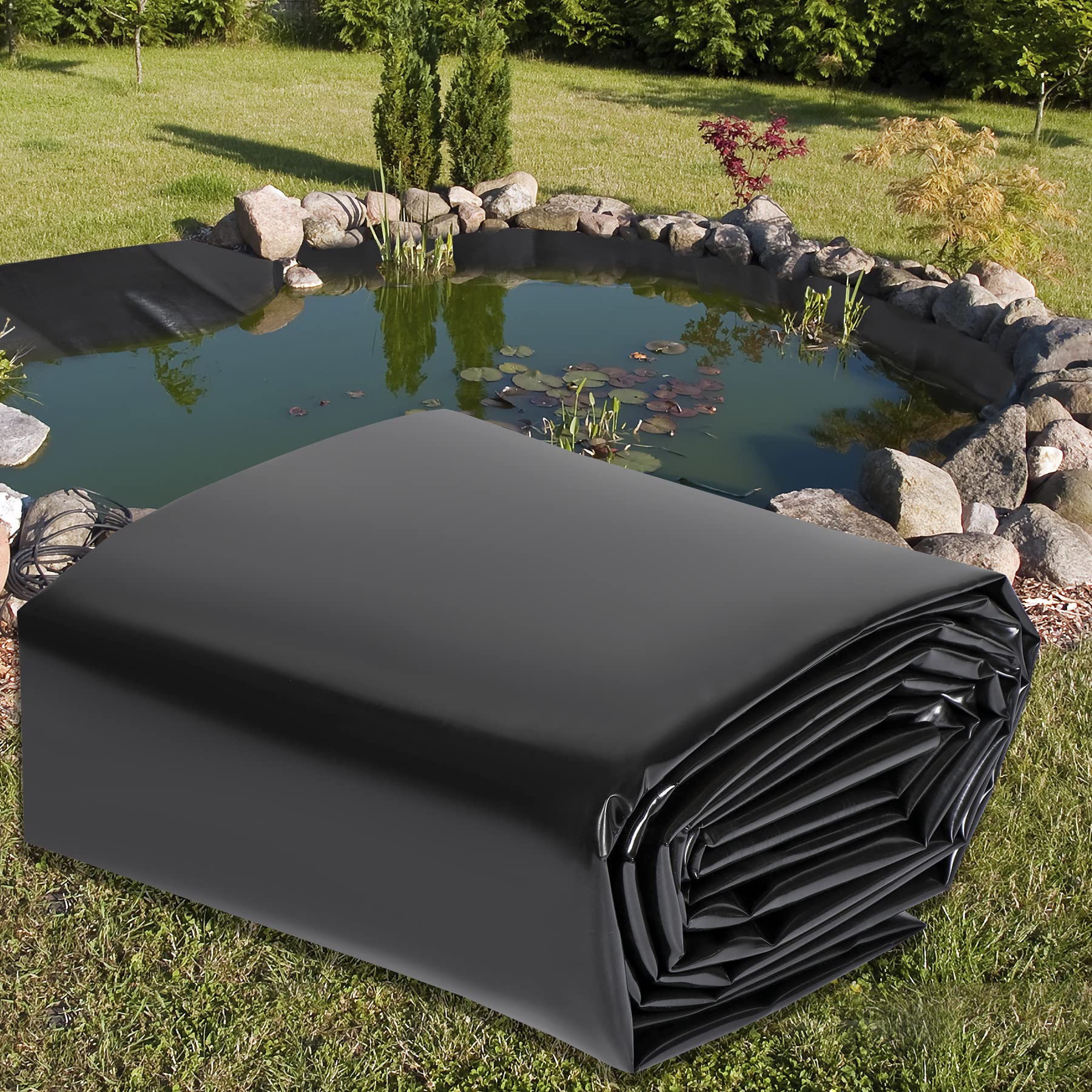
Creating a beautiful backyard pond is a wonderful way to add charm, character and a relaxing atmosphere to an outdoor space. The gentle movement of water, the sound of a small fountain and the sight of aquatic plants can turn an ordinary garden into a peaceful retreat. However, building a pond requires careful planning, particularly when selecting a suitable pond liner in Sydney homeowners can rely on for durability and long-term performance. The right liner helps retain water, protects the pond structure and creates a strong foundation for a healthy aquatic environment.
1. Understanding Sydney’s Weather Conditions
Sydney experiences warm summers, occasional heatwaves, mild winters and periods of heavy rainfall. These changing weather conditions can affect the performance and lifespan of pond materials. Therefore, choosing a liner that can withstand temperature fluctuations and prolonged sun exposure is important.
EPDM rubber liners are a popular option because of their flexibility, strength and resistance to ultraviolet rays. The material can adapt to different pond shapes and sizes without becoming brittle easily. A quality liner also helps minimise water loss and reduces the need for frequent repairs. Considering local weather conditions before purchasing can make a significant difference to the overall performance of a garden pond.
2. Selecting a Liner That Complements the Garden
A backyard pond should blend naturally with its surroundings rather than appear like a separate addition. The colour, shape and finish of the liner can influence the overall appearance of the water feature.
Dark-coloured liners are often preferred because they create a natural-looking water surface and help reflections appear clearer. Proper edging with stones, pebbles and aquatic plants can further improve the appearance. Native Australian plants can also be introduced around the pond to create a more balanced outdoor setting.
Before selecting a liner, consider the pond’s dimensions, depth and intended design. A flexible material is particularly useful for irregular shapes, curved edges and ponds with different levels.
3. Considering Environmentally Responsible Materials
Environmental considerations are becoming increasingly important in Australian garden design. Pond owners should look for materials that are suitable for aquatic environments and designed for long-term use.
PVC-free liners can be worth considering, particularly when creating ponds intended for fish, frogs and aquatic plants. However, checking the manufacturer’s specifications and confirming suitability for aquatic life is essential before making a purchase.
Choosing a durable liner can also reduce material waste by limiting the need for frequent replacements. A well-made pond structure requires fewer repairs and supports a more sustainable approach to outdoor landscaping.
4. Seeking Advice from Local Pond Specialists
Choosing the right pond material can feel challenging, especially for first-time pond builders. Local suppliers and landscaping professionals around Sydney can provide useful guidance based on garden conditions, soil types and individual design requirements.
Professional advice can help determine the correct liner thickness, material and dimensions. It is also worth discussing underlay requirements, water capacity and installation methods before purchasing.
Comparing available options from suppliers in nearby areas can help identify suitable products within the planned budget. Taking time to understand the differences between liner materials can prevent unnecessary expenses later.
5. Proper Installation for Long-Term Performance
Correct installation plays an important role in protecting a pond liner from damage. Even a high-quality material may develop problems if the ground preparation is poor or sharp objects remain underneath.
Before installation, remove stones, roots, broken branches and other objects that could puncture the liner. The excavated surface should be smooth and evenly shaped to provide proper support.
Consider these practical installation tips:
- Prepare the ground: Level the pond base and remove sharp materials before laying the liner.
- Use protective underlay: Install a suitable underlay to provide an additional layer of protection.
- Allow sufficient material: Leave extra liner around the edges to accommodate the pond’s depth and shape.
- Check water levels: Fill the pond gradually and adjust the liner to minimise folds and uneven pressure.
- Secure the edges: Use suitable edging materials to keep the liner in position.
Proper preparation helps prevent leaks, reduces unnecessary strain and improves the overall stability of the pond.
6. Maintaining the Pond Throughout the Year
Regular maintenance helps preserve the appearance and functionality of a garden pond. Leaves, dirt and other organic debris should be removed before excessive accumulation affects water quality.
Inspect the exposed liner edges periodically, particularly after storms or extended periods of hot weather. Check for visible damage, shifting stones or areas where the liner may have become exposed.
Maintaining balanced water conditions is equally important for fish and aquatic plants. A suitable filtration system, regular water testing and adequate circulation can help create a healthier pond environment. Trimming surrounding plants and keeping drainage areas clear can also prevent unnecessary maintenance issues.
FAQs
Q1. Which pond liner material is suitable for Sydney’s climate?
EPDM rubber is a popular choice because of its flexibility, durability and resistance to ultraviolet exposure. The final selection should depend on pond size and intended use.
Q2. Is underlay necessary when installing a pond liner?
Yes, a suitable protective underlay helps reduce the risk of punctures caused by stones, roots and uneven ground beneath the liner.
Q3. How can pond liner damage be prevented?
Proper ground preparation, careful installation, protective underlay and regular inspections can help minimise damage and extend the liner’s lifespan.
Q4. Can flexible liners be used for irregularly shaped ponds?
Yes, flexible liners are suitable for many custom pond designs, including curved edges, unusual shapes and varying depths.
Creating a backyard water feature is a rewarding way to enhance an outdoor space and introduce a peaceful natural element into everyday living. From selecting durable materials to preparing the ground and maintaining water quality, every stage contributes to the pond’s long-term success. Choosing the right pond liner in Sydney gardeners need for local conditions can help protect the structure and maintain its appearance through changing seasons. With thoughtful planning, suitable materials and regular care, a backyard pond can become an attractive and relaxing garden feature for many years.