
Cultural and Religious Perspectives on Cremations in Sydney
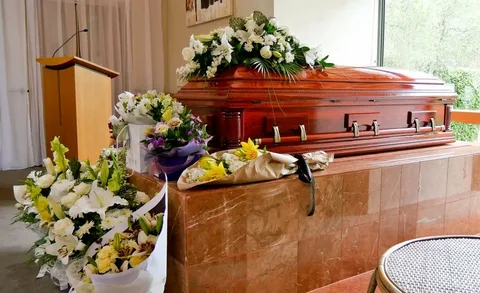
Cremations in Sydney have become a common choice for many families. However, the way cremation is approached often depends on cultural and religious beliefs. Understanding these perspectives can help families make informed decisions and show respect for traditions while planning end-of-life arrangements.
What cultural factors influence cremation in Sydney?
Sydney is a multicultural city, home to people from diverse backgrounds. For some cultures, cremation in Sydney is a longstanding tradition. In Hindu culture, for instance, cremation is considered an essential ritual for the soul’s journey after death. The ceremony is often conducted with prayers, chanting, and the presence of family members. Similarly, Buddhist families may prefer cremation, as it is seen as a way to release the body and aid in spiritual rebirth.
On the other hand, some cultures favour burial over cremation. For example, many Indigenous Australian communities traditionally practised burial, respecting the land and ancestral connections. Awareness of these cultural practices ensures that families honour the wishes of their loved ones while respecting community customs.
How do religious beliefs shape cremation practices?
Religious beliefs play a significant role in determining whether cremation is chosen. In Christianity, views on cremation vary. Some denominations accept it, often incorporating a memorial service, while others prefer burial based on traditional teachings. Similarly, in Islam, cremation is generally discouraged, with burial being the preferred method to honour religious law. Jewish practices also typically favour burial, though modern interpretations may allow cremation in certain circumstances.
Despite these differences, many families in Sydney find ways to balance tradition with practicality. This may involve adapting ceremonies to suit religious guidelines while using modern cremation facilities to manage logistics efficiently.
What considerations should families keep in mind?
Families planning cremations in Sydney should consider several factors. First, it is important to understand any legal requirements, including permits and documentation, which ensure that the process follows Australian law. Second, planning around cultural or religious ceremonies is crucial. This may include organising prayers, specific rituals, or memorial gatherings.
Another consideration is environmental impact. Increasingly, families are exploring eco-friendly cremation options, which reduce emissions and use sustainable materials. These choices can align with personal values while respecting cultural or religious traditions.
How can cremation be made meaningful?
Cremation does not have to feel impersonal. Families can personalise ceremonies with readings, music, or rituals that reflect the deceased’s life and beliefs. For example, incorporating elements from cultural traditions, such as specific chants, flowers, or attire, can create a meaningful farewell. Some families choose to hold small gatherings at home or in community spaces to provide support and connection during the grieving process.
Memorialising loved ones after cremation is also important. Ashes can be kept in urns, scattered in meaningful locations, or used in creative ways, such as planting trees. These acts allow family and friends to honour the memory of the deceased while respecting their cultural and religious values.
Conclusion
Understanding cultural and religious perspectives is essential when considering cremations in Sydney. Different traditions shape how families approach this important decision, influencing rituals, ceremonies, and memorial practices. By acknowledging these perspectives, families can plan cremations that are respectful, meaningful, and in line with the values of their loved ones. In a multicultural city like Sydney, this awareness ensures that every farewell is both personal and culturally sensitive.