
Dental Implants Merrylands: Restoring Function And Confidence After Tooth Loss
Missing teeth can affect more than the appearance of a smile. Gaps may make chewing more difficult, influence speech and contribute to changes in how the remaining teeth function. Dental implants are one option for replacing missing teeth with a stable restoration designed to function similarly to a natural tooth.
For people researching dental implants in Merrylands, understanding how implants work, who may be suitable and what the treatment process involves can help when considering tooth replacement.
What Are Dental Implants?
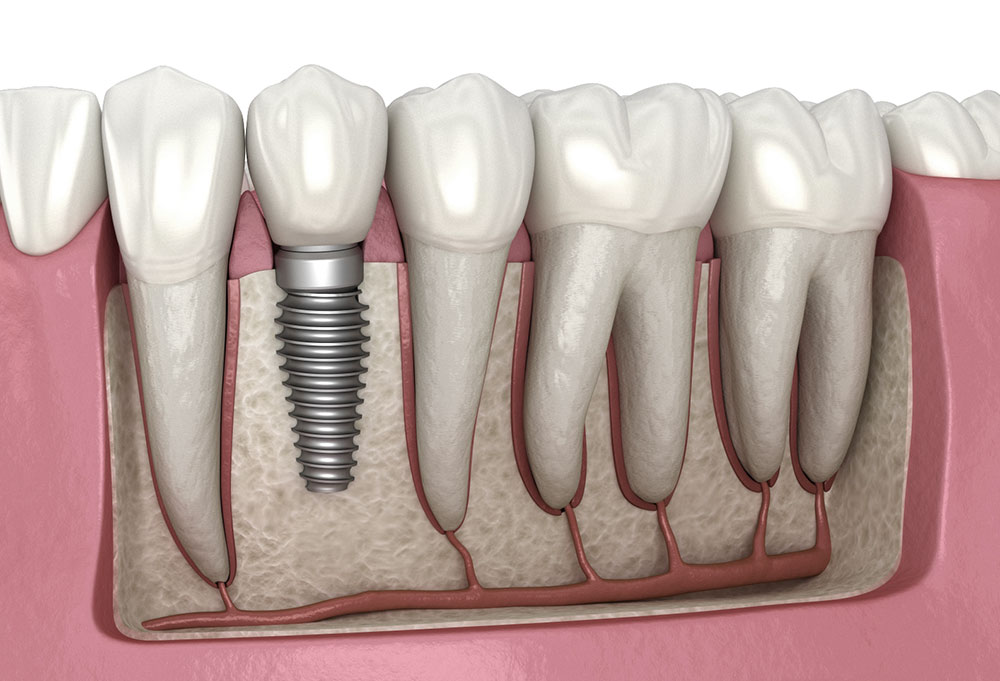
A dental implant is a small fixture placed into the jawbone to support a replacement tooth. Once the implant has integrated with the surrounding bone, it can support a restoration such as a dental crown.
A typical implant restoration consists of three main components:
- Implant fixture
- Abutment
- Dental crown
Together, these components provide a replacement designed to restore the appearance and function of a missing tooth.
When Are Dental Implants Considered?
Dental implants may be considered for people who have lost teeth due to:
- Tooth decay
- Gum disease
- Dental trauma
- Failed or severely damaged teeth
- Other causes of tooth loss
Implants can potentially replace a single tooth, several missing teeth or support certain types of implant-retained dentures.
What Are The Benefits Of Dental Implants?
Depending on individual circumstances, dental implants can provide several potential benefits.
Natural-Looking Appearance
A carefully designed implant crown can be made to complement the surrounding teeth in shape, colour and proportion.
Improved Chewing Function
Replacing a missing tooth can help restore chewing function and provide a more complete bite.
Stable Tooth Replacement
Unlike some removable dental appliances, an implant-supported restoration is fixed in place once completed.
Support For Jawbone
Natural tooth roots stimulate the surrounding jawbone. After tooth loss, the bone in that area can gradually change. An implant can provide a form of stimulation through functional loading once it has integrated with the bone.
Who May Be Suitable For Dental Implants?
Suitability depends on several factors, including:
- Overall oral health
- Gum health
- Available jawbone
- Number and location of missing teeth
- General health
- Smoking habits
- Ability to maintain good oral hygiene
A detailed dental assessment is required before implant treatment can be recommended.
How Does Dental Implant Treatment Work?
Implant treatment is generally completed in stages.
Initial Consultation
The dentist assesses the teeth, gums and jawbone. Digital scans or X-rays may be used to evaluate the proposed implant site.
Treatment Planning
A personalised plan is developed based on the number of missing teeth, available bone and the type of restoration required.
Implant Placement
The implant fixture is surgically placed into the jawbone. The area then requires time to heal and for the implant to integrate with the surrounding bone.
Attaching The Restoration
Once the implant has adequately healed, an abutment and dental crown or another appropriate restoration can be attached.
The exact process and timeframe vary depending on the patient’s individual circumstances.
How Long Do Dental Implants Take?
Dental implant treatment is not usually completed in a single appointment. The overall timeframe depends on factors such as healing, bone availability, the number of implants and whether additional procedures are required.
Some patients may require bone grafting or other preparatory treatment before implant placement.
Is Dental Implant Treatment Painful?
Implant placement is generally performed using appropriate anaesthesia to keep the procedure comfortable. Some swelling, tenderness or discomfort can occur after surgery as the area heals.
Following post-operative instructions carefully can help support recovery.
What Happens If There Is Not Enough Bone?
Adequate bone volume is important for implant placement. If there is insufficient bone at the proposed implant site, a bone graft or another preparatory procedure may sometimes be considered.
A dental scan can help determine the available bone and whether additional treatment may be required.
How Should Dental Implants Be Maintained?
Dental implants still require regular care even though the replacement tooth cannot develop decay in the same way as a natural tooth.
Good maintenance can include:
- Brushing twice daily
- Cleaning between the teeth
- Following professional cleaning recommendations
- Attending regular dental examinations
- Avoiding habits that could damage the restoration
- Following specific implant-care instructions
Healthy gums are particularly important for long-term implant maintenance.
Frequently Asked Questions
Are Dental Implants Suitable For Everyone?
No. Implant suitability depends on factors such as oral health, gum condition, available bone and general health. A professional assessment is necessary.
Can One Missing Tooth Be Replaced With An Implant?
Yes. A single dental implant can support an individual crown and may be considered when one tooth is missing and the surrounding conditions are suitable.
How Long Can Dental Implants Last?
Implant longevity varies between individuals and depends on factors such as oral hygiene, gum health, biting forces, lifestyle and regular professional maintenance.
Are Dental Implants Better Than Dentures?
The most suitable option depends on the patient’s circumstances. Implants provide a fixed solution, while dentures can be removable. A dental professional can explain the advantages and limitations of each approach.
Replacing Missing Teeth With Confidence
Dental implants can provide a stable solution for suitable patients who have lost one or more teeth. When considering dental implants Merrylands patients can discuss their oral health, treatment options and long-term maintenance requirements with a qualified dental professional. A comprehensive assessment can help determine whether implants are appropriate and what approach may provide the most suitable outcome.