
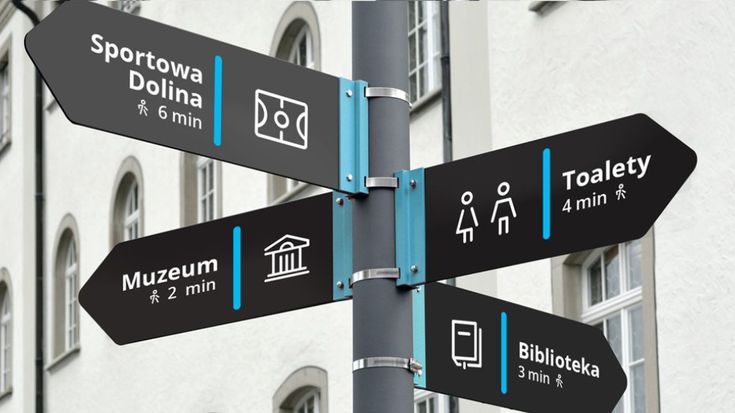
Directional & Wayfinding Signs: Helping People Navigate with Confidence
In today’s busy commercial environments, clear navigation is essential. Whether it’s a shopping centre, hospital, office building, educational institution, hotel, or industrial facility, visitors need to find their destination quickly and efficiently. This is where directional and wayfinding signs play a crucial role.
Directional and wayfinding signage is designed to guide people through a space, helping them navigate unfamiliar environments with ease. Beyond simply pointing people in the right direction, these signs improve user experience, enhance safety, and contribute to a professional and organised environment.
What Are Directional & Wayfinding Signs?
Directional signs provide specific guidance by indicating routes, entrances, exits, parking areas, restrooms, meeting rooms, and other important locations. Wayfinding signs form part of a larger navigation system that helps people understand where they are, where they need to go, and how to get there.
Together, these signs create a seamless journey for visitors, customers, employees, and guests, reducing confusion and improving accessibility.
Why Directional Signage Matters
Many businesses invest heavily in branding and marketing but overlook the importance of navigation within their premises. Poor signage can lead to frustration, wasted time, and a negative impression of your organisation.
Well-designed directional signs offer several advantages:
Improved Visitor Experience
Visitors appreciate being able to find their destination without assistance. Clear signage eliminates uncertainty and helps people move confidently through a space.
Enhanced Safety
Emergency exits, evacuation routes, restricted areas, and safety instructions must be clearly marked. Directional signage helps ensure compliance with safety regulations while protecting visitors and staff.
Increased Efficiency
In large facilities, employees often spend valuable time directing visitors. Effective wayfinding systems reduce interruptions and allow staff to focus on their responsibilities.
Professional Appearance
A consistent signage system creates a polished and organised environment. It demonstrates attention to detail and reflects positively on your business.
Better Accessibility
Inclusive wayfinding solutions support people with varying mobility, vision, and accessibility needs, helping create welcoming environments for everyone.
Common Types of Directional & Wayfinding Signs
Different environments require different signage solutions. Common examples include:
- Building directories
- Reception and lobby signs
- Floor identification signs
- Room identification signs
- Parking guidance signs
- Exit and emergency signage
- Directional arrows
- Stair and elevator signs
- Outdoor navigation signs
- Accessible route markers
Each sign serves a specific purpose while contributing to a comprehensive navigation system.
Industries That Benefit from Wayfinding Signage
Directional and wayfinding signs are valuable across a wide range of industries and facilities.
Healthcare Facilities
Hospitals and medical centres often consist of multiple departments and buildings. Clear signage helps patients and visitors reach appointments quickly while reducing stress.
Educational Institutions
Schools, colleges, and universities use wayfinding systems to guide students, staff, and visitors across campuses and buildings.
Retail Centres
Shopping centres rely on directional signage to help customers locate stores, amenities, parking areas, and exits.
Corporate Offices
Professional wayfinding solutions help visitors navigate reception areas, meeting rooms, departments, and office floors efficiently.
Hospitality Venues
Hotels, resorts, and conference centres use directional signs to guide guests to rooms, facilities, dining areas, and event spaces.
Key Elements of Effective Wayfinding Design
Successful directional signage requires more than simply placing arrows on walls. Effective systems are carefully planned to ensure clarity and consistency.
Important design considerations include:
- Easy-to-read typography
- Consistent colours and branding
- Strategic sign placement
- Clear directional arrows
- High-contrast graphics
- Durable materials
- Accessibility compliance
- Logical information hierarchy
When these elements work together, visitors can quickly understand and follow navigation instructions.
Custom Directional Signage Solutions
Every facility has unique navigation requirements. Custom directional and wayfinding signs can be tailored to match your branding, architectural style, and operational needs.
Modern signage solutions are available in a variety of materials, including acrylic, aluminium, vinyl, glass, and illuminated displays. Businesses can choose designs that complement their interior and exterior environments while maintaining functionality.
Conclusion
Directional and wayfinding signs are essential tools for creating organised, safe, and user-friendly environments. They help visitors navigate confidently, improve operational efficiency, enhance accessibility, and strengthen your professional image.
Whether managing a corporate office, healthcare facility, retail centre, educational campus, or hospitality venue, investing in a well-planned wayfinding system can significantly improve the experience of everyone who enters your space. Clear navigation is not just about directions—it’s about creating a positive and seamless journey from arrival to destination.