
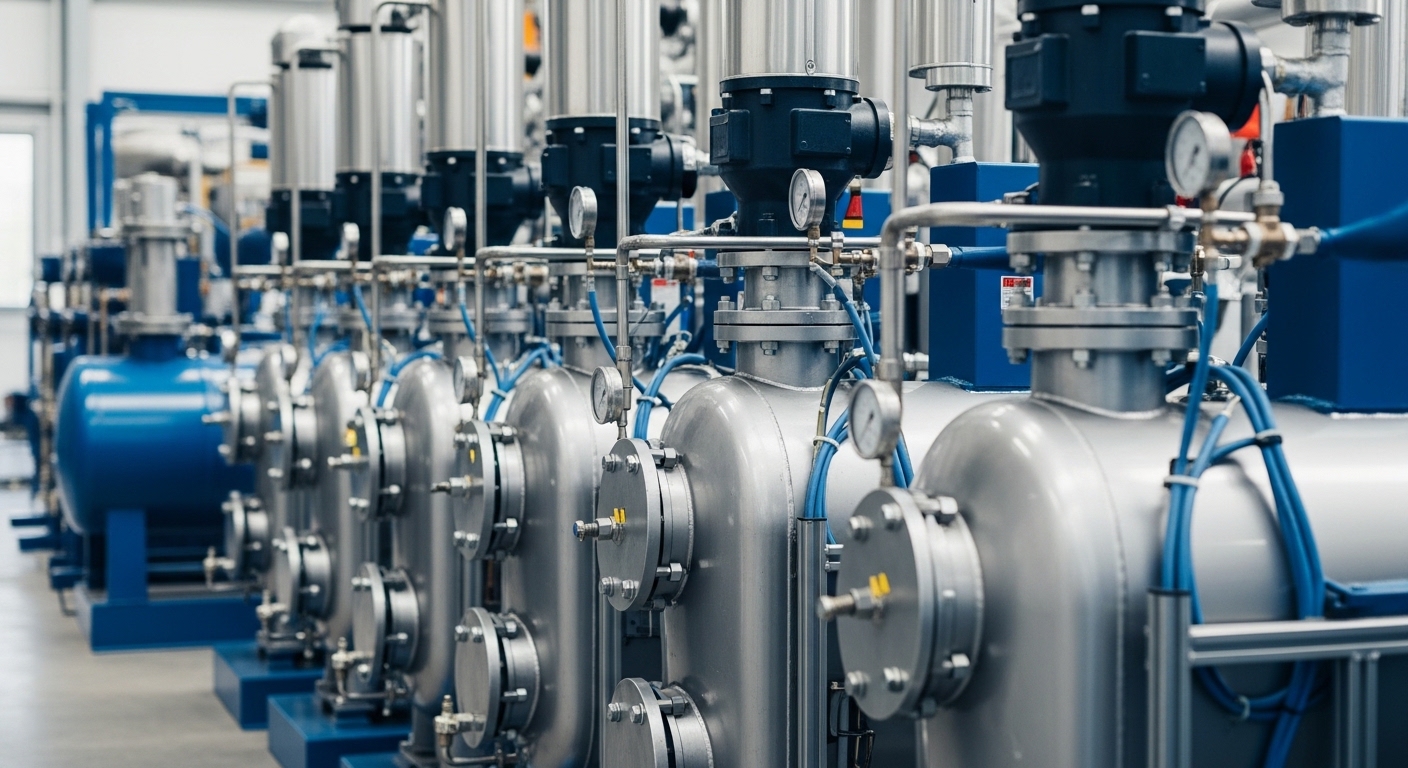
Energy-Efficient Compressed Air Drying Techniques
Compressed air is vital in many industrial processes, from manufacturing to packaging and even in cleanroom environments. However, producing compressed air often comes at a significant energy cost, and inefficient air drying techniques can further exacerbate this expense. This blog’ll explore the importance of energy-efficient compressed air dryers techniques and discuss several innovative approaches to save energy and money.
The Significance of Energy-Efficient Compressed Air Drying
Compressed air contains moisture, which, if not properly removed, can lead to many problems, including corrosion, damaged pneumatic equipment, and impaired product quality. To ensure the reliable and efficient operation of compressed air systems, it’s crucial to employ drying techniques that minimise energy consumption.
Refrigerated Air Dryers with Variable Speed Drives (VSD)
Refrigerated air dryers are commonly used to cool and condense moisture from compressed air. Adding a variable speed drive to these systems allows them to adjust their cooling capacity based on the actual demand. When the demand for compressed air is low, the VSD reduces the refrigeration load, resulting in substantial energy savings.
Heat of Compression (HOC) Dryers
HOC dryers are a highly energy-efficient option that utilises the heat generated during the compression process to regenerate desiccant material. By recycling this heat, HOC dryers eliminate the need for additional external heating sources, significantly reducing energy consumption.
Desiccant Dryers with Dew Point Control
Traditional desiccant dryers regenerate their desiccant beds at fixed intervals, regardless of the actual moisture load. However, Dew point control systems monitor the compressed air’s moisture content and initiate regeneration only when necessary. This on-demand regeneration minimises energy wastage.
Integrated Heat Recovery
Some compressed air drying systems can be integrated with heat recovery units to capture and repurpose the heat generated during the drying process. This recovered heat can be used to preheat incoming air or even supply heat to other parts of the facility, further enhancing overall energy efficiency.
Smart Control Systems
Implementing smart control systems that monitor and optimize the performance of compressed air dryers in real-time can lead to substantial energy savings. These systems can adjust operating parameters based on factors like ambient conditions, air demand, and production schedules.
Benefits of Energy-Efficient Compressed Air Drying
Reduced Energy Costs: Energy-efficient drying techniques can significantly lower the electricity consumption associated with compressed air production, leading to cost savings.
Environmental Benefits: Lower energy consumption translates to reduced greenhouse gas emissions, contributing to a more sustainable operation.
Increased Equipment Lifespan: Properly dried air prevents corrosion and extends the life of pneumatic equipment, reducing maintenance and replacement costs.
Enhanced Product Quality: Consistently dry air improves product quality and reduces defects, leading to increased customer satisfaction.
Conclusion
Energy-efficient compressed air drying techniques are not only environmentally responsible but also financially beneficial. By adopting these innovative approaches, industries can reduce their energy costs, improve equipment reliability, and ensure the consistent quality of their products. As energy efficiency continues to be a top priority in the industrial sector, investing in these techniques is a wise decision for any business reliant on compressed air.