
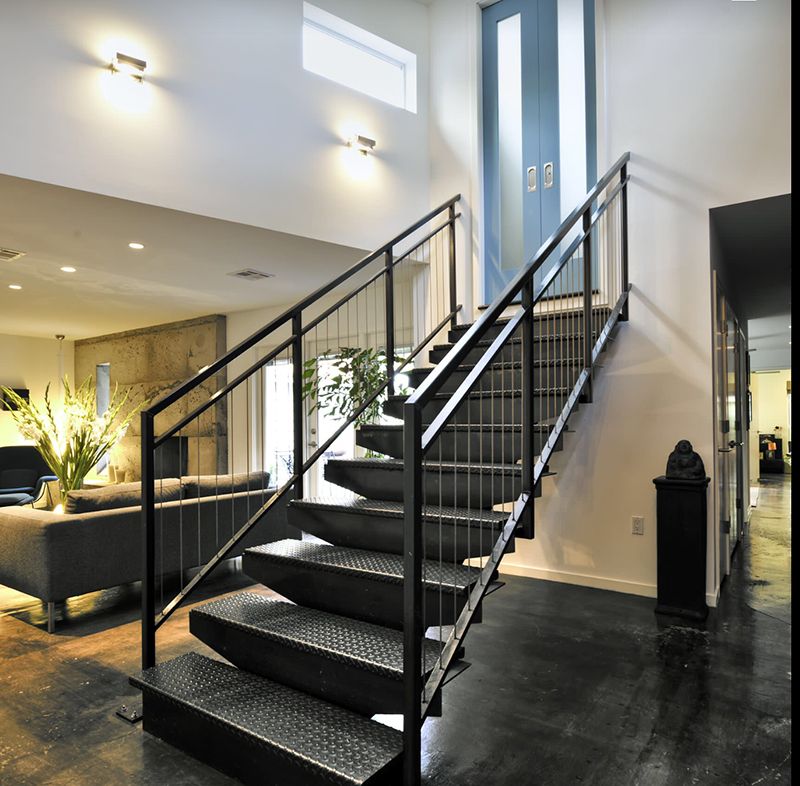
Exploring the Charm and Practicality of Steel Stairs
Steel stairs are not just a practical element in architecture; they’re a statement of modern elegance and durability. Whether you’re renovating a home in Melbourne or designing a new commercial space in Sydney, steel stairs offer a versatile solution that blends style with strength. But why are they such a popular choice in Australia?
1. Enduring Strength and Safety
Steel stairs stand out for their robust nature. In a country like Australia, where environmental conditions can vary greatly, having a staircase that withstands the test of time is crucial. Steel’s resistance to extreme weather conditions means that it won’t warp or corrode easily, which is a huge plus for coastal properties or outdoor staircases. Safety is a top priority, and steel’s strength ensures that stairs remain stable and secure under heavy use.
2. Aesthetic Appeal
Who said practicality can’t be beautiful? Steel stairs bring a sleek, contemporary look that complements modern architectural styles. The clean lines and minimalist design make them a favourite in urban homes and commercial buildings alike. In bustling cities like Brisbane or Perth, where design trends often lean toward the cutting edge, steel stairs can be a focal point that enhances the overall aesthetic of any space.
3. Customisability
One of the greatest advantages of steel stairs is their ability to be customised. Whether it’s a bespoke spiral staircase or a simple straight flight, steel can be moulded and crafted to meet specific design needs. This flexibility allows architects and homeowners to tailor their staircases to fit unique spaces and personal styles. In suburban areas where homes might have more varied architectural designs, this adaptability is particularly beneficial.
4. Eco-Friendly Option
With increasing awareness of environmental issues, many Australians are looking for sustainable building materials. Steel is 100% recyclable, which makes it an eco-friendly choice for conscious consumers. Choosing steel stairs not only supports sustainability but also ensures that the materials can be reused or repurposed in the future, aligning with the growing trend of environmentally responsible design.
5. Cost-Effectiveness
While steel might initially seem like a costly option, its long lifespan and low maintenance needs make it a cost-effective choice in the long run. Unlike wood, which might require regular treatments and replacements, steel maintains its quality with minimal upkeep. This financial prudence is appealing to both homeowners and business owners looking to invest in infrastructure that offers long-term value.
6. Fire and Pest Resistance
In regions prone to bushfires or pest infestations, steel stairs provide an additional layer of security. Steel doesn’t burn, offering peace of mind in fire-prone areas, and it’s impervious to termites and other pests that can wreak havoc on wooden structures. This resilience is particularly reassuring for those living in rural or bushland areas of Australia.
Steel stairs seamlessly combine form and function, offering an array of benefits that cater to the needs of modern Australian design. From their sturdy construction to their sleek appearance, they’re a choice that promises longevity and style. Whether in a chic city apartment or a sprawling country home, steel stairs are an investment in both aesthetics and practicality.
FAQ Section
Is steel a better option than wood for outdoor stairs in Australia?
Yes, steel is generally more durable and weather-resistant than wood, making it ideal for outdoor applications in Australia’s diverse climate.
Can steel stairs be installed in existing properties?
Absolutely! Steel stairs can be customised to fit existing spaces, whether in homes or commercial buildings, and are often used in renovations.
Are steel stairs noisy?
With proper installation and the addition of rubber treads or carpet, steel stairs can be as quiet as any other type of staircase.