
Food Vending Machine Solutions for Hospitals, Schools, and Airports
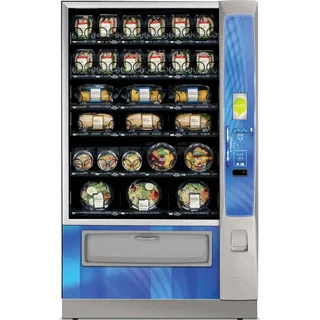
Access to convenient food matters more than ever in busy public spaces. Hospitals run around the clock. Schools juggle tight schedules. Airports serve travellers at all hours. In these settings, a food vending machine can play a practical role in meeting everyday needs when cafés or kitchens are closed. Modern vending solutions are no longer just about snacks. They are about smart access, better nutrition, and reliable service.
Why are food vending machines important in hospitals?
Hospitals never sleep. Staff work long shifts. Patients and visitors often arrive at odd hours. Vending machines provide quick access to food when other options are limited. This helps reduce stress and fatigue, especially during night shifts.
Modern hospital vending focuses on balance and choice. Machines can stock fresh items, portion-controlled meals, and drinks with reduced sugar. Clear labelling supports informed decisions. Cashless payment also limits contact, which supports hygiene standards. When placed in waiting areas or staff rooms, these machines improve comfort without disrupting care.
How do schools benefit from food vending machines?
Schools operate on tight timetables. Breaks are short. Students need fast options that fit within school policies. Vending machines can support this when planned well.
Education settings benefit from machines that align with nutrition guidelines. This may include healthier snacks, water, and portion-appropriate foods. Controlled access times can limit use during class hours. Digital monitoring helps track stock and ensures compliance with school standards.
For teachers and staff, vending offers convenience during long days. It reduces the need to leave campus, saving time and improving supervision. When used responsibly, vending supports both learning and wellbeing.
What makes food vending machines suitable for airports?
Airports are high-traffic, high-pressure environments. Travellers may face delays, early departures, or late arrivals. Vending machines offer reliable access to food without queues.
Placement is key. Machines near gates, baggage claims, and transport hubs serve different needs. Travellers want speed, clarity, and variety. Multilingual interfaces and clear pricing help international users. Cashless payments suit people on the move.
Airports also benefit from data-driven vending. Usage patterns help operators adjust stock for peak travel times. This reduces waste and improves availability. Reliable vending supports passenger satisfaction across all hours.
What features should modern vending solutions include?
Technology has reshaped vending. Touchscreens allow easy navigation. Remote monitoring alerts operators when stock runs low. Temperature control keeps food safe.
Hygiene is a priority in public spaces. Contactless payment reduces handling. Sealed packaging protects quality. Energy-efficient systems support sustainability goals.
Accessibility also matters. Machines should be easy to reach and use for people of different heights and abilities. Clear instructions and simple layouts improve the experience for everyone.
How do vending machines support healthier choices?
Vending no longer has to mean poor nutrition. With thoughtful planning, machines can encourage better habits. Balanced options, clear portion sizes, and visible information help users choose wisely.
In hospitals and schools, this supports wellbeing goals. In airports, it helps travellers maintain energy during long journeys. Choice and transparency are key. When people trust what they see, they are more likely to use vending regularly.
What should organisations consider before installation?
Every location has different needs. Foot traffic, space, and user profiles matter. Power access and cleaning schedules should be planned early. Ongoing maintenance ensures reliability.
Feedback is valuable. Understanding what users want helps refine offerings over time. Regular review keeps vending relevant and effective.
Conclusion
Well-planned vending can improve daily experiences in essential public spaces. A thoughtfully managed food vending machine supports access, convenience, and informed choice across hospitals, schools, and airports. When designed with users in mind, vending becomes a quiet but valuable part of modern infrastructure.