
How Can Lymphoedema Exercises Help Manage Your Condition?
For individuals living with lymphoedema, exercises can be a key component of managing symptoms and improving overall quality of life. Lymphoedema exercises are specifically designed to promote lymphatic drainage, reduce swelling, and improve flexibility in affected areas. Whether used in combination with other treatments or as a standalone option, these exercises can make a significant difference. But how do lymphoedema exercises work, and why are they so effective?
What Are Lymphoedema Exercises?
Lymphoedema exercises are physical activities aimed at improving the flow of lymphatic fluid in the body. They help stimulate the lymphatic system, which is responsible for draining excess fluid from the body’s tissues. These exercises are typically gentle and focus on the affected area to encourage the movement of lymph fluid.
- Gentle Movements: Lymphoedema exercises involve low-impact activities to avoid strain on affected areas.
- Lymphatic Drainage: The exercises help stimulate the lymph nodes and vessels, improving fluid movement.
- Improved Range of Motion: These exercises increase flexibility and mobility in swollen limbs.
- Strengthening Muscles: Regular exercise helps to strengthen muscles and improve circulation, reducing swelling.
- Consistency Is Key: Daily exercises are essential to manage lymphoedema effectively and prevent flare-ups.
How Do Lymphoedema Exercises Help with Symptom Management?
Lymphoedema exercises are important in controlling the swelling that comes with this condition. Here’s how they work:
- Promote Lymphatic Circulation: Regular exercises encourage the movement of lymph fluid, preventing the build-up of fluid in tissues.
- Reduce Swelling: By promoting fluid flow, exercises help reduce the volume of swollen areas, making the limbs feel lighter and more comfortable.
- Prevent Complications: Lymphoedema exercises can help reduce the risk of infection and other complications caused by stagnant lymph fluid.
- Support Overall Mobility: The exercises improve flexibility and strength, making it easier for individuals to perform daily activities.
- Improve Long-Term Health: By maintaining regular exercise, individuals can better manage symptoms and prevent future flare-ups.
What Are Some Common Lymphoedema Exercises?
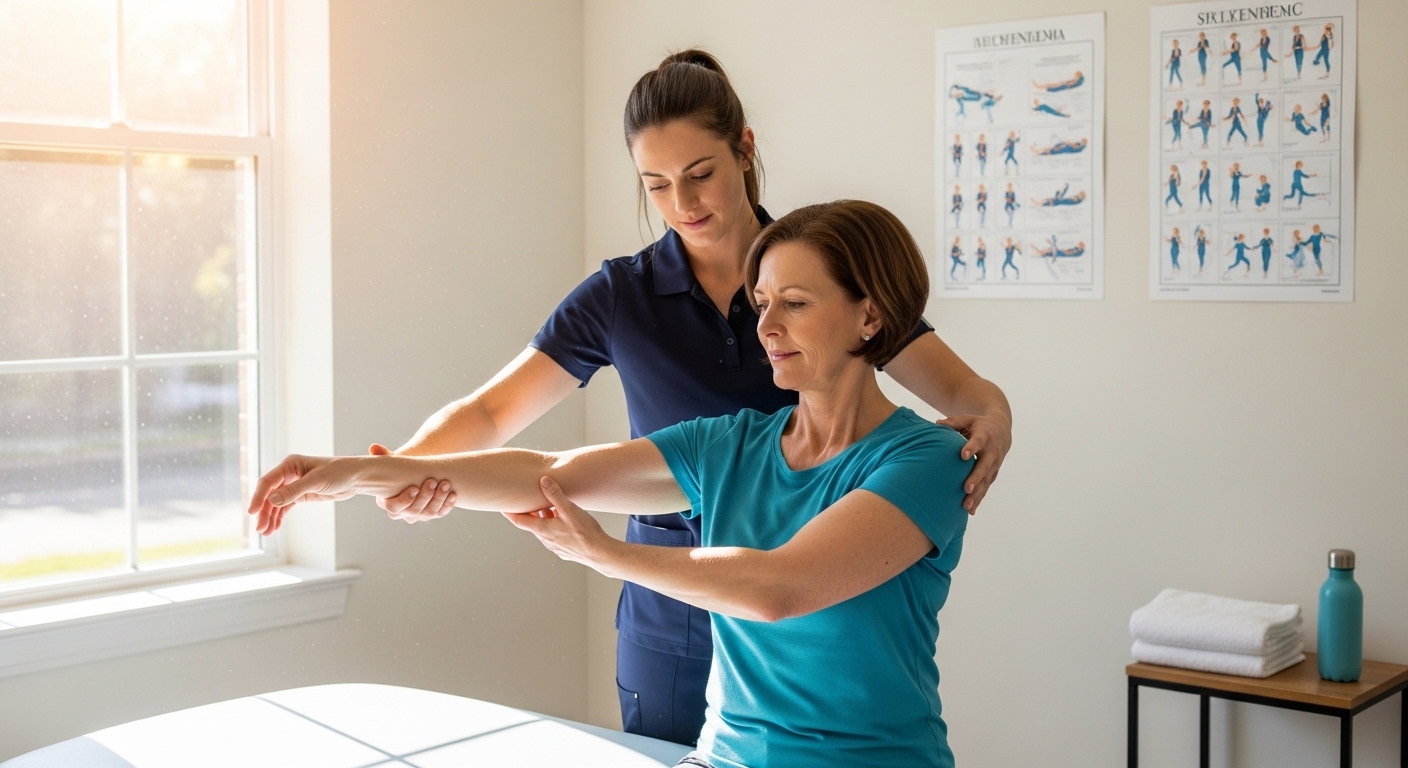
There are several exercises that are commonly recommended for individuals with lymphoedema. These exercises are gentle and can be done at home or under the supervision of a healthcare provider.
- Stretching Exercises: Gentle stretches for the arms, legs, or other affected areas help improve flexibility and reduce stiffness.
- Aerobic Exercise: Low-impact activities like walking or swimming help promote lymphatic flow and cardiovascular health.
- Strengthening Exercises: Light weight lifting or resistance training can help improve muscle strength and support lymphatic circulation.
- Breathing Exercises: Deep breathing exercises help to relax the body and reduce fluid retention.
- Elevation: Elevating the affected limb while performing exercises helps encourage fluid drainage.
How Can You Start Lymphoedema Exercises?
If you’ve never tried lymphoedema exercises before, it’s best to start slow and seek advice from a healthcare provider. Here’s how to get started:
- Consult with a Specialist: Before starting any new exercise routine, it’s important to consult with a healthcare provider who understands your specific condition.
- Start with Gentle Movements: Begin with basic exercises that are easy on your body and gradually increase intensity as you become more comfortable.
- Use Compression Garments: Wearing compression garments while exercising helps prevent swelling and enhances fluid movement.
- Stay Consistent: Consistency is key to managing lymphoedema. Try to perform your exercises regularly to achieve the best results.
- Monitor Progress: Keep track of any changes in swelling or discomfort, and adjust your routine as necessary.
In conclusion, lymphoedema exercises are an effective way to manage the symptoms of lymphoedema. They promote fluid movement, reduce swelling, and improve overall physical function. By incorporating these exercises into your daily routine, you can better manage your condition and improve your quality of life.