
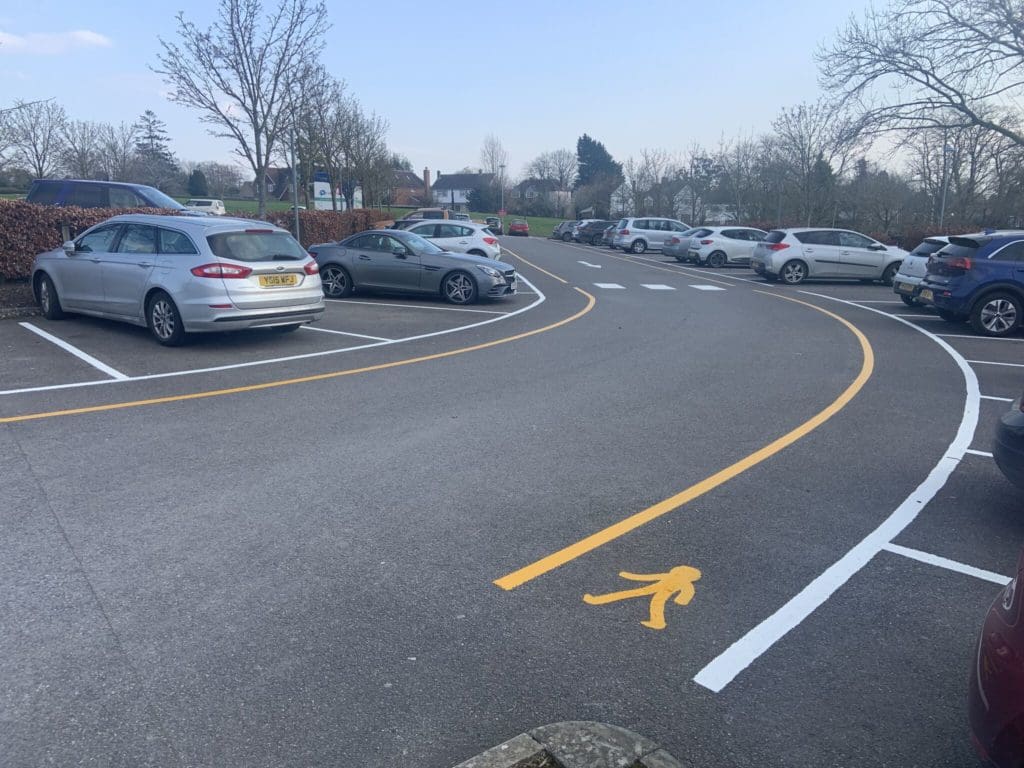
How Do Car Park Line Marking Standards Ensure Safety and Compliance?
Car park environments rely heavily on clear, consistent and regulation-aligned markings to ensure smooth vehicle movement and pedestrian safety. Understanding car park line marking standards is essential for delivering a safe and functional parking facility that meets Australian requirements while supporting efficient traffic flow.
Why Are Car Park Line Marking Standards So Important?
Standards exist to minimise confusion, prevent accidents and maintain a predictable layout for drivers and pedestrians. Without these guidelines, markings can become inconsistent, improperly sized or incorrectly placed, leading to safety hazards and operational issues. Complying with recognised standards ensures the car park remains safe, professional and easy to navigate.
What Regulations Typically Influence Car Park Marking Requirements?
Car park markings in Australia follow recommendations outlined in:
- AS 2890.1: Off-street car parking
- AS 1428: Design for access and mobility (for disability spaces and access paths)
These standards define dimensions, spacing, colours and accessibility requirements, ensuring uniformity across public and private car parks.
What Are the Key Marking Requirements Defined by These Standards?
Bay Dimensions
Standard car bays typically follow minimum width and length guidelines to ensure adequate room for vehicle manoeuvring. Wider bays may be applied in high-traffic or commercial areas.
Disability Parking Spaces
Standards require specific widths, cross-hatched shared zones and appropriate blue markings with recognisable symbols to ensure accessibility for mobility-impaired users.
Directional Arrows and Traffic Flow
Arrows and guidance markings must be placed at strategic points to keep traffic moving safely and prevent confusion for entering and exiting vehicles.
No-Parking and Loading Zones
Clear yellow or red lines differentiate restricted areas and ensure loading docks, emergency access points and pedestrian zones remain unobstructed.
Pedestrian Walkways
Walkways must be clearly marked to separate foot traffic from vehicles, helping prevent accidents and improving overall safety.
How Do Colour Standards Influence Visibility and Compliance?
Specific colours are used for different marking types to maintain consistency:
- White: Standard parking bays and guidance lines
- Yellow: Safety zones, caution areas and restricted zones
- Blue: Disability parking symbols and zones
- Red: Emergency or no-stopping areas
Using the correct colour ensures markings remain recognisable and compliant with Australian guidelines.
How Often Should Car Park Markings Be Maintained or Reapplied?
Fading markings reduce visibility, create hazards and may lead to non-compliance. Regular inspections help identify wear caused by:
- Heavy vehicle traffic
- Harsh weather
- UV exposure
- Frequent turning or braking
Repainting at appropriate intervals keeps the car park safe and fully functional.
Conclusion
Car park line marking standards provide a foundation for safe, organised and compliant parking spaces. By following Australian guidelines for bay dimensions, accessibility, colour usage and pedestrian safety, car parks can operate efficiently while reducing the risk of accidents. Understanding and applying these standards not only supports compliance but also enhances the user experience, contributing to a more reliable and professional parking environment.