
How Do Loop Detectors Contribute To Efficient Traffic Management?
In cities like Sydney, managing traffic effectively is crucial for ensuring smooth vehicle flow and enhancing road safety. One key technology that has revolutionised traffic monitoring is loop detectors. These devices, embedded in the road surface, provide real-time vehicle detection, which plays a significant role in optimising traffic signal timing and reducing congestion. But how exactly do loop detectors work, and what impact do they have on the overall traffic system?
What Are Loop Detectors and How Do They Work?
Inductive loop technology
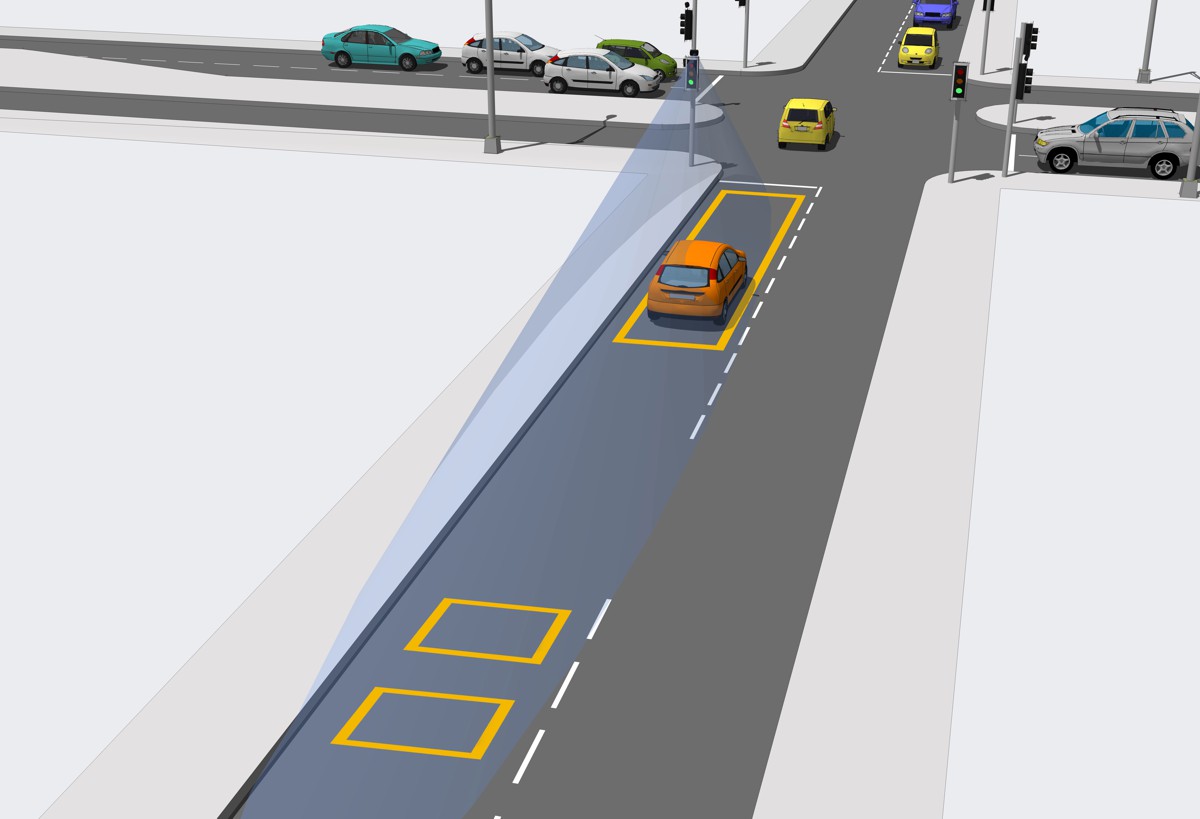
Loop detectors are essentially inductive coils embedded into the road. These coils detect the presence of vehicles by measuring changes in the magnetic field caused by the metal in a vehicle when it passes over the loop.
Real-time vehicle detection
When a vehicle crosses over the loop, the magnetic field is disrupted, and the loop sensor detects this change. This information is sent to traffic control systems, which can adjust signal timings based on the volume and presence of vehicles.
Strategic placement
Loop detectors are typically installed at intersections, highway on-ramps, toll booths, and in parking lots. They are placed where vehicle detection is crucial, particularly where traffic signals need to be dynamically controlled based on real-time conditions.
Types of loop detectors
There are different types of loop detectors, including single-loop and multi-loop systems. Single-loop detectors typically detect a single vehicle passing over, while multi-loop systems can measure vehicle speed, count, and density, providing more comprehensive data.
Non-invasive installation
Installing loop detectors doesn’t disrupt traffic significantly. The loops are embedded in the road surface without affecting its structural integrity, allowing for continuous operation with minimal maintenance.
How Do Loop Detectors Improve Traffic Flow?
Optimising traffic signal timings
The main role of loop detectors is to help traffic signals adjust to current traffic conditions. By detecting the number of vehicles waiting at intersections, loop detectors allow for dynamic traffic signal adjustments, ensuring that the flow of vehicles is as smooth as possible.
Reducing waiting times at traffic lights
By adjusting traffic light durations based on real-time vehicle presence, loop detectors help reduce unnecessary wait times at traffic lights. This not only benefits drivers by reducing congestion but also contributes to improved fuel efficiency by preventing vehicles from idling.
Prioritising high-traffic lanes
During peak hours, loop detectors can identify lanes with higher vehicle volume and prioritise them for green lights. This ensures that traffic moves efficiently along the busiest routes, reducing delays and bottlenecks.
Managing congestion during off-peak times
Loop detectors can also reduce unnecessary signal changes during off-peak hours when traffic is light. By keeping signals green for less-travelled routes, these systems help maintain traffic flow even during less congested periods.
Integration with adaptive traffic control systems
Loop detectors work in conjunction with adaptive traffic control systems, which continually adjust signal timings based on the data received from these detectors. This integration allows cities to respond more effectively to changing traffic patterns in real-time.
What Are the Key Benefits of Using Loop Detectors?
Increased road safety
By optimising traffic signal timings and reducing congestion, loop detectors help prevent accidents that often occur due to sudden stops or erratic signal changes. They ensure smoother traffic flow and minimise the risk of rear-end collisions and other accidents at intersections.
Cost-effective traffic management
Loop detectors are a cost-effective solution for improving traffic management. While they require an initial installation, they generally require minimal maintenance and offer long-term benefits, making them a smart investment for cities looking to improve their traffic systems on a budget.
Environmental advantages
By reducing waiting times and improving vehicle flow, loop detectors help reduce emissions and fuel consumption. This contributes to a greener, more sustainable transport system, which is particularly important for cities focused on reducing their carbon footprint.
Real-time data collection
Loop detectors provide valuable data on traffic flow, vehicle count, speed, and congestion patterns. This data is useful for traffic planners and urban developers, providing insights that can inform long-term infrastructure projects and help reduce congestion in the future.
Easy integration with other systems
Loop detectors can be integrated with other traffic control systems, such as cameras, sensors, and even smart city technologies. This allows for a holistic approach to traffic management and enables more sophisticated and efficient solutions to emerge.
How Can You Ensure the Effective Use of Loop Detectors?
Regular maintenance checks
While loop detectors are relatively low-maintenance, periodic checks are still necessary to ensure they are functioning correctly. Regular maintenance can help identify and fix any issues such as broken loops, faulty wiring, or improper calibration, ensuring that the system remains accurate.
Prompt repairs when needed
If a loop detector malfunctions, it can cause disruptions to traffic signal control and lead to inefficient traffic flow. Quick repairs are essential to restore the functionality of the system and ensure that traffic remains well-managed.
Upgrade to newer technologies
As traffic management technologies continue to evolve, upgrading loop detectors to more advanced models can improve performance. Newer models might provide more accurate data, have better durability, or offer additional features, contributing to more efficient traffic management.
Data analysis for continuous improvement
The data collected from loop detectors can be used to continuously assess and improve traffic flow. Regular analysis of this data helps traffic management authorities identify patterns, anticipate congestion, and make data-driven decisions about road improvements.
Collaboration with traffic management experts
Working with experienced traffic management professionals ensures that loop detectors are installed and calibrated correctly. These experts can also help optimise the use of the detectors and integrate them effectively into broader traffic management strategies.
Conclusion:
Loop detectors play a crucial role in modern traffic management systems by providing real-time vehicle detection and enabling dynamic traffic signal control. By reducing congestion, enhancing safety, and contributing to more efficient road use, these systems are vital for improving traffic flow in busy urban areas. As cities continue to embrace smart traffic technologies, loop detectors will remain an essential component of safer, greener, and more efficient road networks.