
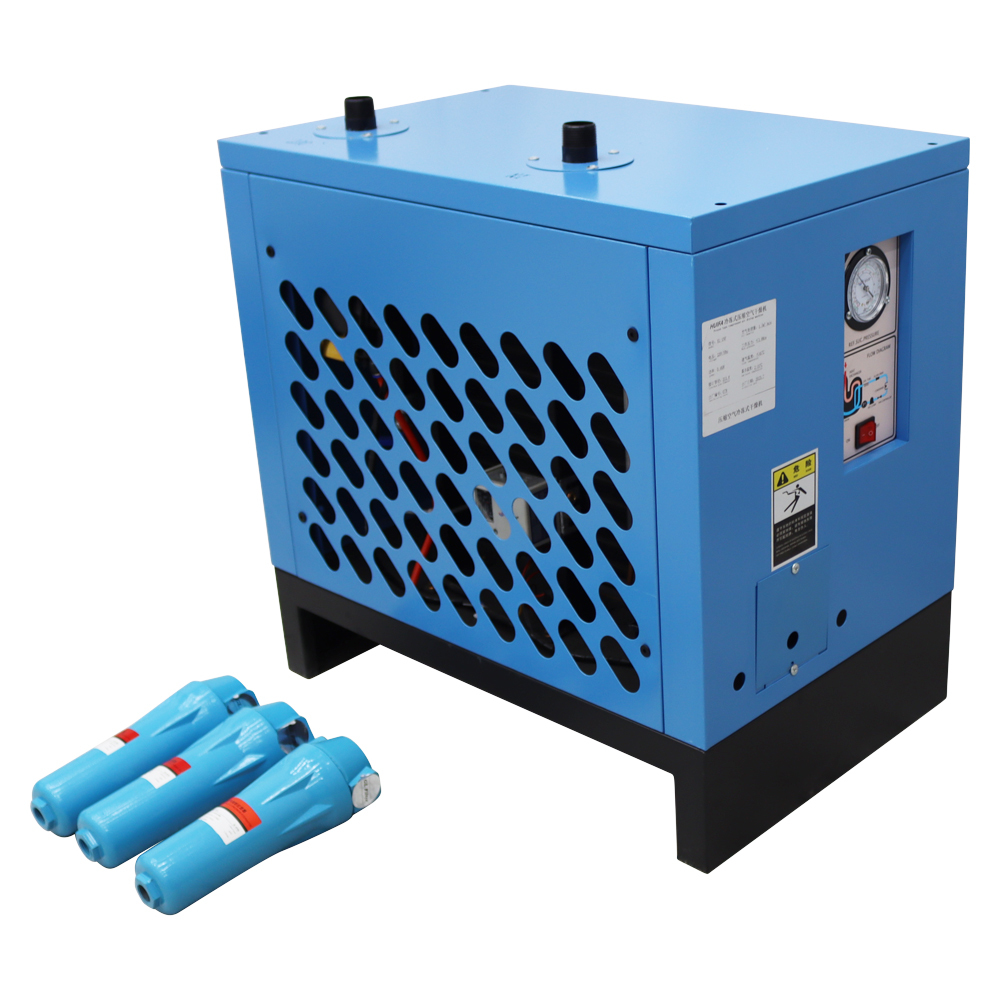
How Does A Refrigerated Air Dryer Improve Compressed Air Quality?
Compressed air systems are widely used across industries, but the air produced often contains moisture that can affect performance and equipment longevity. Managing this moisture is essential for maintaining efficiency and preventing damage. A refrigerated air dryer is designed to remove moisture from compressed air, ensuring cleaner, drier output that supports reliable operations. Understanding its function and benefits can help improve the overall performance of air systems.
What Is a Refrigerated Air Dryer?
A refrigerated air dryer is a device used to remove moisture from compressed air by cooling it to a low temperature.
- It reduces water vapour present in compressed air.
- The system condenses moisture into liquid form for removal.
- It helps maintain consistent air quality.
- It is commonly used in industrial and commercial applications.
How Does a Refrigerated Air Dryer Work?
The process involves cooling compressed air to separate moisture effectively.
- Warm compressed air enters the dryer system.
- The air is cooled to a temperature where moisture condenses.
- Condensed water is separated and drained out.
- Dry air is reheated slightly before being released.
Why Is Moisture Removal Important in Compressed Air Systems?
Moisture can cause several issues if not properly managed.
- Water can damage tools and equipment.
- Corrosion may occur within pipes and components.
- Moisture can affect product quality in certain applications.
- System efficiency may decrease due to contamination.
What Are the Key Benefits of Using a Refrigerated Air Dryer?
Using a dryer improves both system performance and reliability.
- Protects equipment from moisture-related damage.
- Improves overall air quality for various applications.
- Enhances efficiency of compressed air systems.
- Reduces maintenance requirements over time.
Where Are Refrigerated Air Dryers Commonly Used?
These systems are used in industries where clean and dry air is essential.
- Manufacturing processes requiring consistent air quality.
- Workshops using air-powered tools.
- Facilities with sensitive equipment.
- Operations where moisture control is critical.
How Do You Choose the Right Air Dryer?
Selecting the right dryer depends on your system requirements.
- Match the dryer capacity with compressor output.
- Consider the required level of dryness.
- Evaluate operating conditions and environment.
- Ensure compatibility with existing systems.
What Maintenance Is Required?
Regular maintenance helps ensure consistent performance and longevity.
- Clean or replace filters to maintain airflow.
- Check drainage systems to prevent blockages.
- Inspect components for wear or damage.
- Monitor system performance regularly.
What Are Common Problems to Watch For?
Identifying issues early can help avoid system disruptions.
- Reduced drying efficiency may indicate system faults.
- Water carryover suggests improper moisture removal.
- Unusual noise may signal mechanical issues.
- Temperature inconsistencies can affect performance.
How Can Efficiency Be Improved?
Optimising system performance helps reduce operational costs and improve output.
- Ensure proper installation and setup.
- Maintain consistent operating conditions.
- Avoid overloading the system.
- Schedule regular servicing to keep the unit efficient.
Conclusion
Moisture control is a critical aspect of maintaining efficient and reliable compressed air systems. Refrigerated air dryers provide an effective solution by removing excess moisture and improving air quality. With proper selection, installation, and maintenance, these systems can enhance performance and protect equipment. Choosing a refrigerated air dryer helps ensure consistent, clean, and efficient operation across a wide range of industrial applications.