
How Frozen Vending Machines Support 24/7 Food Accessibility
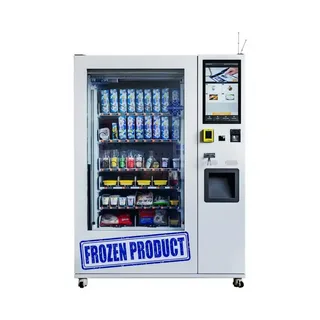
Access to food at any time of the day is becoming more important in modern life. People work late shifts. Students study overnight. Travellers arrive at odd hours. Traditional food outlets cannot always meet these needs. This is where frozen vending machines offer a practical solution. They provide reliable access to meals without depending on staff or opening hours. They help bridge the gap between convenience and availability.
These machines store frozen meals safely and dispense them instantly. Users can access food whenever needed. This improves convenience and supports busy lifestyles.
Why is 24/7 food access important today?
Modern routines are unpredictable. Many people work outside standard business hours. Healthcare workers, security staff, and transport workers often need food late at night. Food outlets may be closed during these times.
Limited access can lead to skipped meals or unhealthy choices. People may rely on snacks instead of proper meals. This affects energy, focus, and wellbeing.
Round-the-clock food access supports healthier eating habits. It ensures people can find proper meals whenever hunger strikes. This improves comfort and productivity.
How do frozen vending machines improve 24/7 food access?
These machines operate continuously. They do not need staff supervision. Once installed, they can serve customers day and night.
They store meals at controlled temperatures. This keeps food safe and fresh for longer periods. Users can select their preferred meal and receive it instantly.
They can be placed in many locations. Common sites include hospitals, offices, transport hubs, and residential buildings. This makes food easily available where people already are.
They also reduce waiting time. There are no queues or preparation delays. The process is quick and simple.
How do these machines maintain food safety and quality?
Food safety is essential. These machines use advanced cooling systems. They maintain consistent freezing temperatures. This prevents spoilage and bacterial growth.
Sealed packaging adds another layer of protection. It prevents contamination and preserves freshness. Clear labelling helps users check product details.
Many machines also monitor internal temperature automatically. This ensures proper storage conditions at all times.
These features help maintain food quality. Users can trust the meals they receive.
Where can these machines make the biggest impact?
These machines are useful in places with limited food access. Hospitals benefit greatly. Staff and visitors often need meals at all hours.
Transport locations also benefit. Airports, train stations, and bus terminals operate around the clock. Travellers appreciate quick food options.
Office buildings are another ideal location. Employees working late can access meals easily. This supports workplace wellbeing.
Residential complexes can also benefit. Residents gain convenient food access without leaving the building.
These machines improve access across many environments.
How do they support convenience and independence?
Convenience is a key advantage. Users can choose meals without interacting with staff. This saves time and effort.
It also provides independence. People can access food on their own schedule. They do not need to adjust their routine to find open stores.
Payment systems are simple. Most machines accept modern payment options. This makes the process smooth and user-friendly.
This level of convenience improves daily life.
What does the future of automated food access look like?
Automation is growing rapidly. People expect faster and easier services. These machines align with these expectations.
They help solve access challenges in busy cities. They also support remote and isolated areas.
As technology improves, these machines will become more efficient. They will offer more variety and better user experiences.
This supports long-term food accessibility.
Conclusion
Reliable food access is essential in today’s fast-paced world. People need flexible options that match their schedules. Automated food solutions help meet this need effectively. Frozen vending machines provide safe, convenient, and round-the-clock access to meals. They support workers, travellers, students, and residents alike. By improving availability and convenience, they play an important role in modern food accessibility.