
How Livestock Trailer Manufacturers Design for Different Animal Types
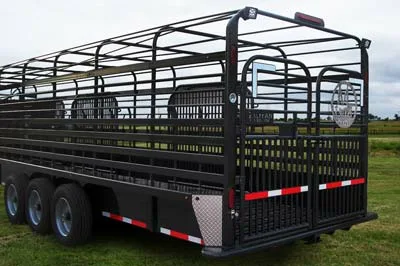
Transporting animals safely is not just about moving them from one place to another. It is about comfort, balance, ventilation, and reducing stress. Livestock trailer manufacturers play a critical role in this process by designing trailers that suit the physical and behavioural needs of different animals. Good design protects animal welfare and helps farmers transport stock more efficiently.
Animals vary in size, weight, temperament, and movement patterns. A trailer that works for cattle may not suit sheep, pigs, or horses. Understanding these differences is the foundation of effective trailer design.
Why do different animals need different trailer designs?
Each animal species behaves differently during transport. Cattle need strong flooring and stable partitions due to their weight. Sheep require secure but gentle containment to prevent crowding. Pigs are sensitive to heat and noise. Horses need balance and headroom to maintain posture.
Designers account for how animals stand, lie down, and shift weight. They also consider how animals react to vibration, corners, and braking. These factors shape every structural decision, from floor height to internal layout.
How do livestock trailer manufacturers adapt designs for animal welfare?
Animal welfare is a major design focus. Flooring is often textured to reduce slipping. Proper grip lowers the risk of injury, especially during loading and unloading. Sidewalls are designed to prevent leg trapping while allowing airflow.
Ventilation is another priority. Different animals regulate body heat differently. Adjustable vents and open panels help manage airflow without creating strong drafts. Shade and insulation are also used to protect animals during hot Australian summers.
Noise reduction matters too. Smooth joints and secure fittings reduce rattling. Less noise helps keep animals calm, which leads to safer transport and easier handling on arrival.
What design features change based on animal size and weight?
Weight distribution is critical. Larger animals place more pressure on axles, suspension, and flooring. Heavier stock requires reinforced frames and thicker floor materials. Lighter animals may need closer spacing between rails to prevent injury.
Internal height also varies. Horses need higher ceilings to raise their heads naturally. Sheep and goats require lower but well-ventilated spaces. Ramp angles are adjusted based on leg strength and the confidence levels of different animals.
Partition systems are often modular. This allows space to be adjusted depending on the load. Flexible layouts improve safety and make trailers more versatile for mixed-use farms.
How do loading and unloading needs influence trailer design?
Loading is one of the most stressful stages for animals. Gentle ramp angles help reduce fear and resistance. Non-slip surfaces support confident movement. Side gates and swing partitions guide animals without force.
Visibility is also considered. Many animals move more easily towards light. Strategic openings help encourage forward movement. Well-designed access points reduce handling time and physical strain for farmers.
Easy cleaning is another factor. Smooth internal surfaces prevent waste build-up. Good drainage supports hygiene and biosecurity between loads.
How does climate affect trailer design choices?
Australian conditions vary widely. Heat management is essential in many regions. Trailers often include enhanced airflow and reflective surfaces. In cooler areas, protection from wind chill becomes more important.
Designers aim for balance. Too much exposure can stress animals. Too little airflow can cause overheating. Adjustable features allow farmers to adapt trailers to changing weather conditions.
Conclusion
Designing trailers for different animals is a complex process that blends engineering with animal behaviour. By understanding movement, comfort, and environmental needs, livestock trailer manufacturers create transport solutions that protect welfare and improve efficiency. Thoughtful design benefits animals, handlers, and farming operations alike.