

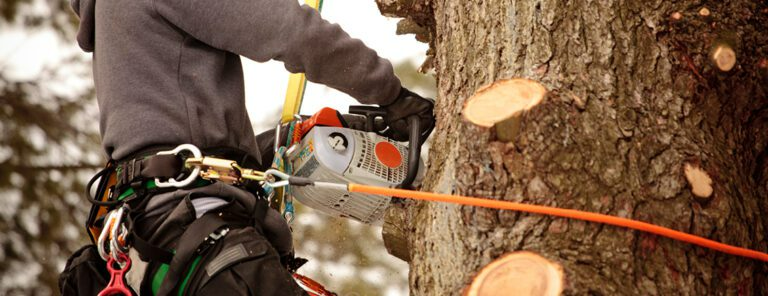
Working at height in trees requires proper equipment, careful preparation and a strong understanding of workplace safety. Whether performing tree pruning, canopy maintenance or complex tree removal tasks, arborists need reliable climbing systems to help manage their movements and reduce the risk of falls. An arborist safety line is an important part of a suitable climbing setup, providing support and helping professionals maintain secure positioning while working among branches.
Why Is a Safety Line Important for Arborists?
Tree climbing often involves working on uneven surfaces, moving between branches and accessing difficult sections of a canopy. Without appropriate fall protection and positioning equipment, these activities can expose workers to serious hazards.
A suitable safety line forms part of a broader climbing and fall protection system. When selected, inspected and used correctly, it helps arborists maintain stability and manage their working position during tasks.
However, a safety line should never be treated as a standalone guarantee of protection. It must be compatible with the complete climbing system and used according to the manufacturer’s instructions and relevant safety requirements.
Key Features to Consider
Choosing suitable climbing equipment requires more than looking at price or appearance. Arborists should assess the technical specifications and intended application of each product.
Important features include:
- Strength rating: Check the manufacturer’s stated load limits and applicable standards.
- Durable construction: Choose materials designed for the demands of professional arboricultural work.
- Rope compatibility: Ensure the line works with the intended climbing equipment and connectors.
- Handling and flexibility: Consider how easily the line can be managed during climbing and positioning.
- Inspection requirements: Look for clear guidance on checking wear, damage and service life.
Selecting equipment that matches the work environment can help support a more reliable climbing setup.
Choosing the Right Line for Tree Work
Different arboricultural tasks may require different rope and positioning arrangements. Pruning, canopy access and other tree maintenance activities can involve varying movement and load requirements.
Before purchasing, consider the type of work being performed, the climbing technique being used and the equipment already included in the system. Check product specifications carefully and seek advice from a qualified supplier if compatibility is uncertain.
It is also important to understand the difference between a work positioning line and equipment specifically designed for fall arrest. They serve different purposes and should not be substituted for one another without appropriate system approval.
Inspection and Equipment Maintenance
Regular equipment inspections are essential for professional tree climbing. Before each use, check the line for cuts, abrasion, fraying, contamination, damaged stitching or other signs of deterioration. Follow the manufacturer’s inspection and retirement guidelines, and remove damaged or questionable equipment from service.
Proper storage also matters. Keep climbing lines clean and dry, away from chemicals, excessive heat and direct conditions that may accelerate material degradation.
Support Safer and More Efficient Arborist Work
Reliable climbing equipment plays an important role in professional tree care. Choosing the right safety line, checking compatibility and maintaining equipment correctly can help arborists work with greater confidence. Always follow applicable Australian workplace safety requirements, use an appropriately designed climbing system and ensure workers have the necessary training before carrying out work at height.