
Inclusive Sports and Activities: Breaking Barriers for People with Disabilities
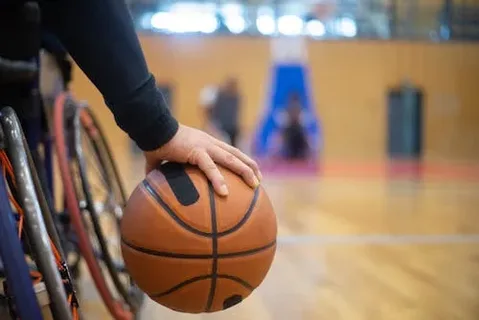
Participation in sports and recreational activities is a vital part of physical, social, and emotional wellbeing. For people with disabilities, however, opportunities can be limited due to accessibility issues, lack of awareness, or social barriers. Inclusive sports and activities aim to bridge this gap, ensuring everyone, regardless of ability, can enjoy the benefits of movement, teamwork, and personal growth.
By creating environments that accommodate diverse needs, communities can foster confidence, social connection, and independence. Adaptive equipment, trained instructors, and accessible facilities are key elements that make sports inclusive. These measures not only help individuals with disabilities participate but also educate the wider community about diversity and inclusion.
What types of inclusive sports and activities are available?
There is a wide range of inclusive sports and activities designed for different abilities. Wheelchair basketball, adaptive swimming, and seated volleyball are popular examples for those with physical disabilities. For people with intellectual or developmental challenges, programs often focus on modified games that emphasise participation and enjoyment rather than competition.
Outdoor activities like adaptive cycling, hiking trails with accessible paths, and inclusive dance classes are also growing in popularity. Schools and local community centres are increasingly offering programmes that allow children and adults to engage safely and confidently, fostering a sense of belonging.
How do inclusive sports support physical and mental health?
Engaging in inclusive sports and activities offers significant physical benefits, including improved cardiovascular health, muscle strength, and flexibility. Beyond physical fitness, these activities play a critical role in mental health. Regular participation can reduce anxiety, combat depression, and improve self-esteem.
Team-based sports provide social interaction and help develop communication and leadership skills. Inclusive activities encourage resilience and problem-solving by challenging participants in ways that are both supportive and empowering. This holistic approach ensures that physical activity benefits extend to emotional and cognitive wellbeing.
What challenges exist in promoting inclusive sports and activities?
Despite the benefits, several challenges remain. Accessibility can be a major barrier, with some facilities lacking ramps, specialised equipment, or trained staff. Funding and resources for adaptive programmes are often limited, which can restrict availability.
Social barriers also play a role. Misconceptions about disability can discourage participation, while some individuals may feel isolated or hesitant to join mainstream activities. Educating communities, offering training for coaches, and promoting awareness campaigns are essential steps to overcome these obstacles.
How can communities encourage greater participation?
Communities can take practical steps to make sports more inclusive. Offering a variety of programmes that cater to different abilities, providing adaptive equipment, and training staff to understand diverse needs are key strategies. Schools can integrate inclusive physical education, and local governments can ensure public recreational spaces are accessible.
Creating an environment where everyone feels welcomed and supported helps normalise participation and reduces stigma. Encouraging family involvement and celebrating achievements, no matter how small, can also motivate ongoing engagement.
Inclusive sports and activities are more than just physical exercise; they are a powerful tool for social inclusion, personal growth, and community development. By breaking down barriers, communities empower individuals with disabilities to lead active, fulfilling lives. With continued advocacy, awareness, and accessible programmes, participation in inclusive activities can become a standard, not an exception.