
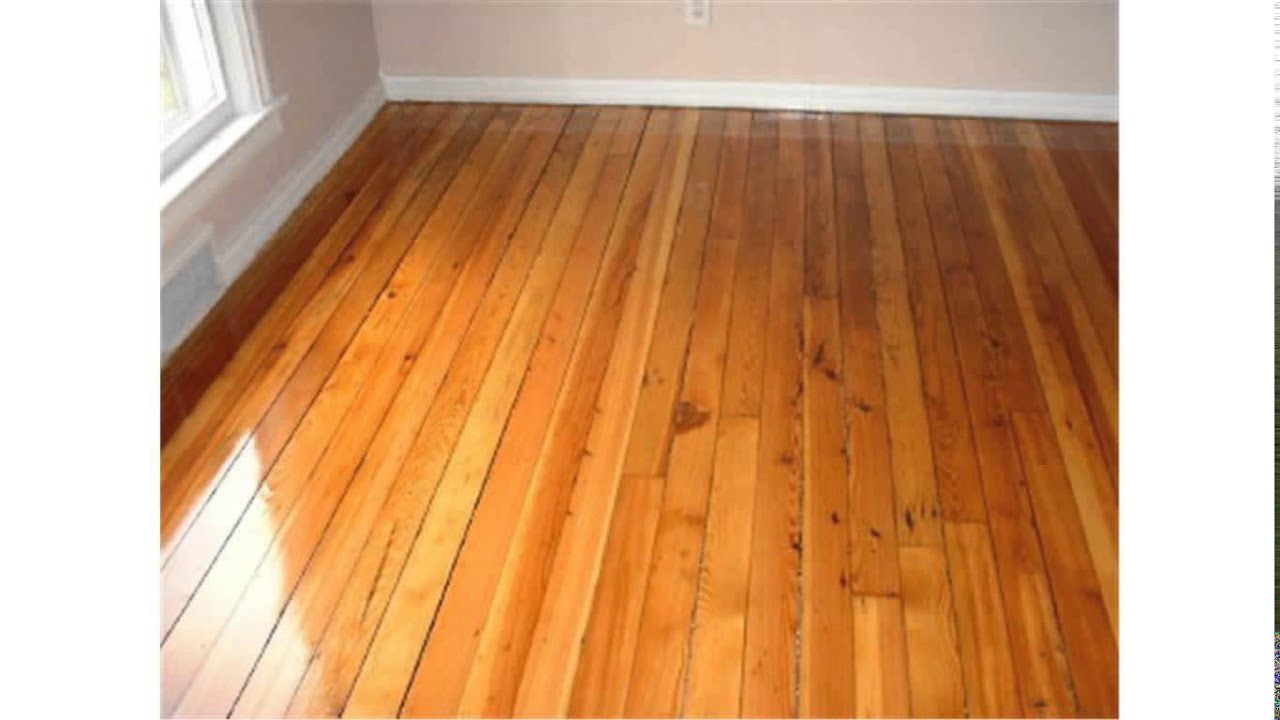
Is Hardwood Flooring Still the Benchmark for Timeless Interior Design?
When planning interior upgrades, many homeowners question whether traditional materials still hold their value in modern homes. With trends constantly evolving, the appeal of natural finishes remains strong. This raises an important question — does hardwood flooring continue to deliver long-term style, durability and value in today’s living spaces?
What Sets Hardwood Flooring Apart From Other Flooring Options?
Natural materials offer character that manufactured alternatives often struggle to replicate. Hardwood flooring stands out due to its unique grain patterns, rich tones and natural variations. Each plank carries its own identity, creating a warm and authentic atmosphere that enhances both classic and contemporary interiors. Unlike synthetic surfaces, timber develops character over time rather than deteriorating visually.
How Does Hardwood Flooring Perform in Everyday Living?
Durability is a key concern for busy households. Hardwood flooring is known for its strength and ability to withstand daily foot traffic when properly maintained. Solid timber surfaces can be sanded and refinished multiple times, extending their lifespan significantly. This makes them suitable for living areas, hallways and open-plan spaces where resilience is essential.
Is Hardwood Flooring Suitable for Australian Homes and Conditions?
Australian homes experience varied climate conditions, making material selection critical. Hardwood flooring performs well when installed correctly with appropriate acclimatisation and spacing. Timber species commonly used are selected for their stability and adaptability, helping minimise movement caused by temperature and humidity changes. Professional installation plays a vital role in ensuring long-term performance.
How Does Hardwood Flooring Influence Indoor Comfort and Acoustics?
Beyond appearance, flooring impacts comfort and sound within a home. Hardwood flooring provides a solid, underfoot feel and can be paired with suitable underlays or rugs to improve acoustic performance. Timber also contributes to better indoor air quality, as it does not trap dust, allergens or odours like some carpeted surfaces.
Does Hardwood Flooring Require High Maintenance?
A common misconception is that timber floors demand excessive upkeep. In reality, routine sweeping and occasional damp mopping are often sufficient. Protective finishes help resist stains and surface wear, while prompt cleaning of spills prevents damage. Periodic refinishing restores the original appearance, making hardwood flooring a long-term, manageable investment.
Can Hardwood Flooring Increase Property Value?
Flooring significantly influences buyer perception. Homes featuring hardwood flooring are often viewed as premium and well-maintained. The durability, repairability and timeless appeal of timber surfaces contribute positively to resale value. Many buyers see hardwood floors as a desirable feature that reduces the need for immediate renovations.
Why Is Professional Guidance Important When Choosing Timber Floors?
Selecting the right timber species, board width and finish requires careful consideration. Professional advice ensures compatibility with lifestyle needs, subfloor conditions and design goals. Expert installation further protects the investment by preventing issues such as uneven surfaces, excessive movement or premature wear.
Conclusion
Hardwood flooring remains a trusted choice for homeowners seeking durability, elegance and lasting value. Its natural beauty, adaptability and long lifespan make it suitable for a wide range of interiors. With proper selection, installation and care, hardwood flooring continues to define quality living spaces and stand the test of time.