
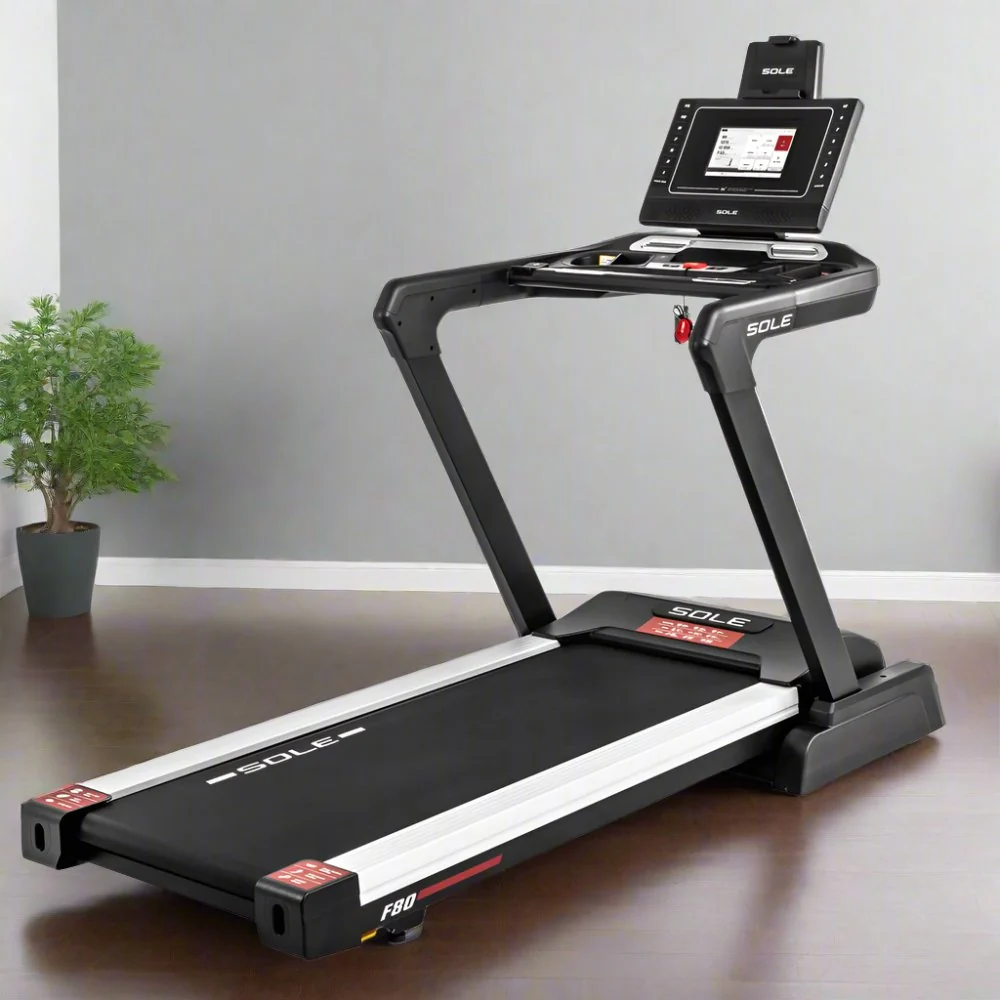
Is the Sole F80 Good for Running? Motor Power, Deck Cushioning and Speed Explained
Yes, the Sole F80 treadmill can be a good choice for running at home, particularly for users who want a combination of motor performance, a spacious running deck, cushioning and adjustable speed. It is designed to support a range of workouts, from brisk walking and steady jogging to more demanding running sessions. However, whether it suits your needs depends on your running frequency, preferred pace, available space and budget.
Is the Sole F80 Treadmill Suitable for Regular Running?
When choosing a treadmill for running, it is important to look beyond basic features. A suitable machine should provide consistent performance, enough room for a natural stride and a comfortable running surface. The Sole F80 is worth considering for individuals who want to build a regular home running routine without necessarily investing in a commercial treadmill.
It can suit recreational runners, fitness enthusiasts and households where multiple people use the same equipment. Before purchasing, check the specifications of the current Australian model because features can vary between product generations and retailers.
1. Motor Power: What Runners Should Know
Motor performance is one of the most important factors when evaluating the Sole F80 treadmill. The motor needs to support the user’s preferred pace and workout duration without making the machine feel underpowered during normal use.
The Sole F80 is commonly specified with a 3.5 continuous horsepower (CHP) motor, although buyers should verify the rating for the exact model available in Australia. Continuous horsepower is more useful for evaluating sustained performance than relying solely on peak horsepower figures.
For runners, motor performance matters when alternating between slower recovery periods and faster intervals. A treadmill used frequently for running should be suitable for repeated changes in speed and workout intensity.
Consider your training habits before making a decision. Someone who runs several times a week may benefit from a stronger motor specification than someone who primarily walks. Regular maintenance, appropriate belt lubrication where required and following the manufacturer’s usage guidelines can also help maintain performance.
2. Deck Cushioning: Improving Running Comfort
Running on a treadmill can feel different from running outdoors. The running surface, cushioning system and footwear all influence how comfortable a workout feels.
The Sole F80 is known for its cushioned running deck, designed to provide a more comfortable training surface than some basic treadmill designs. Cushioning can help moderate the impact experienced during foot strikes, although it does not eliminate impact or guarantee injury prevention.
For runners completing longer sessions, deck comfort can be an important consideration. A supportive running surface may make it easier to maintain a consistent routine, especially when outdoor conditions are unsuitable.
When evaluating the Sole F80 treadmill, consider your height, stride length and preferred running style. Test the machine if possible, paying attention to how the belt feels during both jogging and faster running. Proper running shoes and a gradual increase in training volume remain important regardless of the treadmill’s cushioning features.
3. Speed Settings: From Jogging to Faster Workouts
Adjustable speed allows runners to customise their workouts according to their fitness levels. The Sole F80 is commonly listed with a maximum speed of 12 miles per hour, approximately 19.3 kilometres per hour. Confirm the maximum speed and available increments for the specific Australian model before buying.
This speed range can accommodate many recreational running routines, including steady-state sessions, warm-ups, cool-downs and interval training.
For example, a beginner might alternate walking with short periods of jogging. An intermediate runner could use a consistent pace to build endurance, while a more experienced runner may incorporate faster intervals. The appropriate setting depends on individual ability and training goals.
Incline adjustment can also add variety by simulating uphill running or walking. Combining speed and incline changes can make workouts more challenging without requiring a larger range of equipment.
4. Is the Sole F80 Worth Considering for Your Home Gym?
The Sole F80 may be a suitable option if you want a treadmill for regular running and have enough room for a full-sized machine. Its motor specification, cushioning and speed range make it worth comparing with other home treadmills.
Before buying, consider the following:
- Space: Measure the available floor area and check the treadmill’s assembled and folded dimensions.
- Running frequency: Choose specifications that suit your weekly training schedule.
- Comfort: Evaluate deck cushioning, belt dimensions and overall stability.
- Budget: Compare the purchase price, delivery costs and warranty coverage.
- Maintenance: Review the manufacturer’s cleaning, lubrication and servicing recommendations.
These checks can help you determine whether the Sole F80 offers the right balance of performance and practicality.
Conclusion
The Sole F80 treadmill can be a strong option for home runners who value motor performance, deck cushioning and adjustable speed. Its commonly listed 3.5 CHP motor and maximum speed of around 19.3 km/h make it suitable for many recreational and regular running workouts, subject to the specifications of the model sold in Australia. Compare the latest features, running surface, dimensions and warranty before purchasing to ensure the treadmill matches your training needs and home gym setup.