
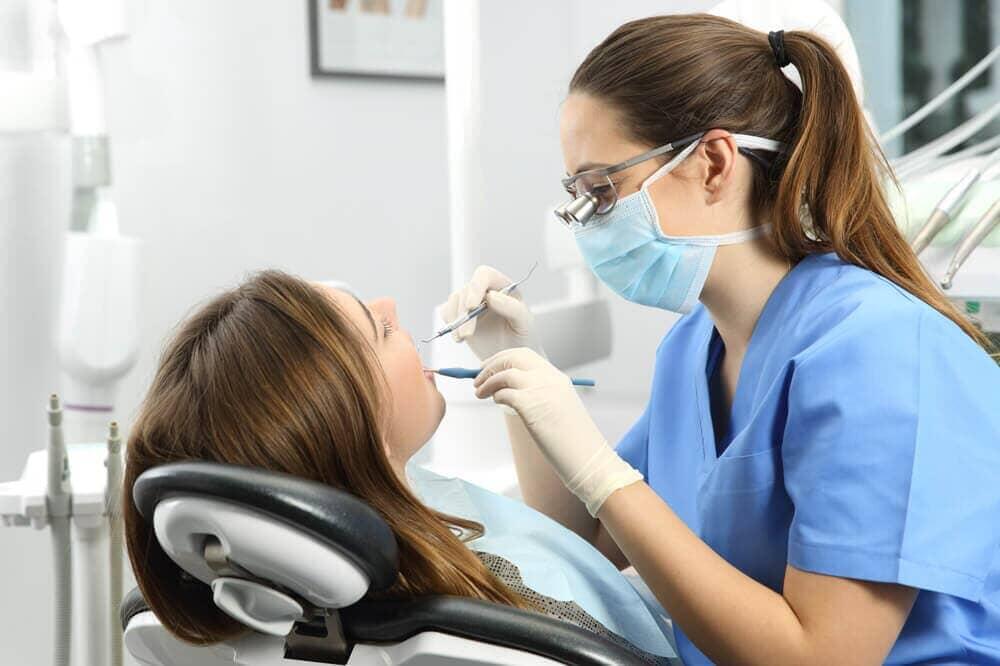
Primary Dental Merrylands: Understanding Comprehensive Dental Care
Maintaining good oral health requires more than simply visiting a dentist when a tooth begins to hurt. Regular examinations, preventive care and timely treatment can help identify dental concerns early and support healthier teeth and gums over time.
For people searching for primary dental care in Merrylands, understanding what general dental services involve and how they contribute to long-term oral health can make it easier to stay proactive about dental care.
What Is Primary Dental Care?
Primary dental care generally focuses on the prevention, diagnosis and treatment of common oral health conditions. It provides an important foundation for maintaining teeth and gums throughout different stages of life.
Depending on individual needs, primary dental services may include:
- Routine dental examinations
- Teeth cleaning
- Dental fillings
- Gum disease treatment
- Root canal treatment
- Tooth extraction
- Wisdom teeth removal
- Dental crowns and bridges
- Dentures
- Dental veneers
- Teeth whitening
- Emergency dental care
- Children’s dental care
A comprehensive dental practice may provide several of these services, allowing patients to address different oral health concerns as they arise. Primary Dental Merrylands, for example, lists general, preventive, restorative and emergency dental services among its available treatments.
Why Are Regular Dental Check-Ups Important?
Some dental conditions can develop without causing noticeable symptoms. A cavity may gradually become larger before causing significant pain, while gum disease can progress without obvious discomfort during its early stages.
Routine dental examinations allow potential problems to be identified and assessed. Depending on the findings, a dentist may recommend professional cleaning, X-rays or further treatment.
Early intervention can sometimes prevent a minor dental concern from developing into a more complicated problem.
What Happens During A Dental Check-Up?
A routine dental examination usually begins with an assessment of the teeth, gums and surrounding tissues. The dentist may ask about sensitivity, pain, previous dental treatment and changes noticed since the last appointment.
Dental X-rays may be recommended when additional information is needed. After the examination, the dentist can explain any findings and discuss appropriate treatment options.
A personalised approach is important because dental needs can vary significantly between individuals.
Common Primary Dental Treatments
Dental Fillings
Dental fillings are commonly used to restore teeth affected by decay. The damaged portion of the tooth is removed before the remaining structure is restored with a suitable filling material.
Treating decay earlier may help preserve more of the natural tooth.
Professional Teeth Cleaning
Plaque and tartar can accumulate in areas that are difficult to clean effectively at home. Professional cleaning can help remove this buildup and support healthier teeth and gums.
Regular cleaning may be recommended according to individual oral health needs.
Gum Disease Treatment
Healthy gums are essential for supporting the teeth. Signs such as persistent bleeding, swelling, tenderness or changes around the gums should be assessed by a dental professional.
Treatment depends on the severity of the condition and may include professional cleaning and improved oral hygiene practices.
Root Canal Treatment
When the pulp inside a tooth becomes infected or severely inflamed, root canal treatment may be considered. The procedure removes the affected tissue, cleans the internal canals and seals the tooth.
This approach may allow a natural tooth to be preserved when it can still be restored.
Tooth Extraction
Extraction may be recommended when a tooth is severely damaged, extensively decayed or cannot be restored predictably.
After an extraction, replacement options may sometimes be considered depending on the location of the missing tooth and the patient’s individual circumstances.
Children’s Dental Care
Children’s dental care is an important part of primary oral health. Regular examinations can help monitor the development of primary and permanent teeth and identify problems such as tooth decay at an earlier stage.
Dental visits can also help children learn appropriate brushing and dietary habits. Establishing positive dental routines during childhood may support better oral health as they grow.
What About Dental Emergencies?
Dental problems can sometimes develop suddenly. Severe toothache, swelling, dental injuries, a broken tooth or significant bleeding may require prompt professional assessment.
Emergency dental care focuses on identifying the cause of the problem and determining the appropriate treatment. Delaying assessment of significant symptoms can sometimes allow an underlying condition to become more complicated.
Preventive Dental Care At Home
Professional dental care works together with daily oral hygiene. Patients can support their teeth and gums by:
- Brushing twice a day with fluoride toothpaste
- Cleaning between the teeth
- Limiting frequent sugary foods and drinks
- Drinking water regularly
- Replacing worn toothbrushes
- Attending recommended dental examinations
- Following individual dental care advice
Consistent habits can help reduce the risk of common oral health problems.
How To Choose Appropriate Dental Care
When considering primary dental care, it can be useful to look at the range of services available and whether the practice can support ongoing oral health needs.
Patients may also want to consider whether the dental team provides clear explanations about treatment options and allows time to discuss concerns.
The right approach should be based on an individual’s dental condition, medical history, oral health goals and treatment requirements.
Frequently Asked Questions
What Does Primary Dental Care Include?
Primary dental care generally includes preventive examinations, diagnosis and treatment of common dental conditions. Services can include check-ups, professional cleaning, fillings, gum care, extractions and other general dental procedures.
How Often Should Dental Check-Ups Be Scheduled?
There is no single schedule that applies to everyone. The recommended frequency depends on factors such as oral health, dental history and individual risk factors.
Can Dental Problems Exist Without Pain?
Yes. Some dental conditions can develop without obvious symptoms. Regular examinations can help identify potential problems before they become more advanced.
Is Professional Teeth Cleaning Necessary If I Brush Every Day?
Daily brushing is essential, but plaque and tartar can still accumulate in areas that are difficult to clean thoroughly. Professional cleaning can complement regular home care.
When Should A Toothache Be Checked?
Persistent or severe toothache should be assessed by a dental professional. Tooth pain can have several causes, including decay, infection, cracks or damage to the tooth.
Building A Long-Term Approach To Oral Health
Primary dental care provides an important foundation for maintaining healthy teeth and gums through prevention, early diagnosis and appropriate treatment. When researching primary dental Merrylands, patients can consider their individual oral health needs and discuss suitable treatment options with a qualified dental professional.
Regular dental examinations combined with effective daily oral hygiene can help identify problems earlier, protect natural teeth and support better oral health over the long term.