
Root Canal Treatment Parramatta: A Guide To Treating Infected Teeth
Tooth pain and sensitivity can sometimes indicate an issue deep inside the tooth. When the dental pulp becomes inflamed or infected, root canal treatment can help remove the affected tissue while preserving the natural tooth.
For patients considering root canal treatment in Parramatta, understanding the causes, procedure and recovery can help them make informed decisions about their dental care.
What Is Root Canal Treatment?
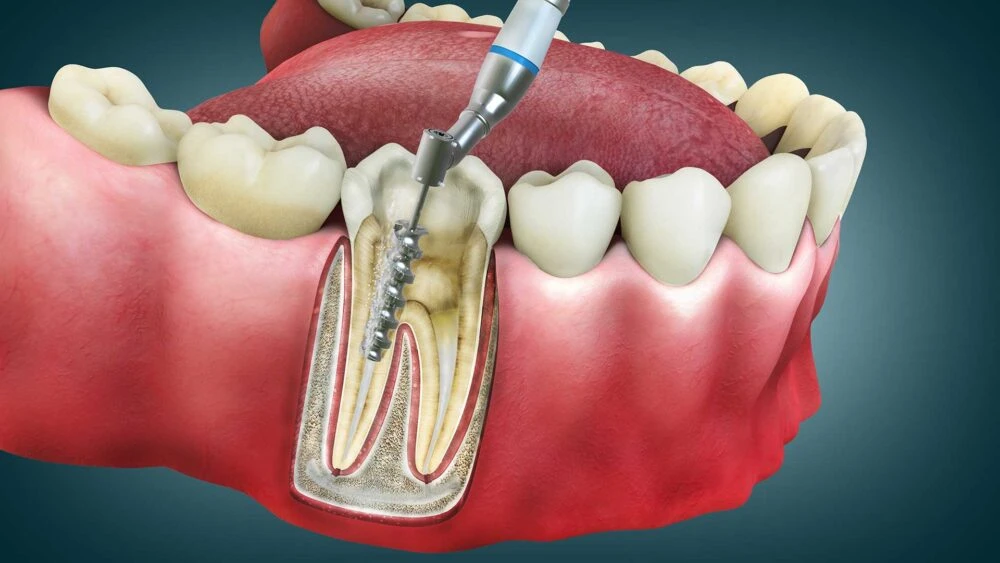
Root canal treatment is a dental procedure used to treat infection or inflammation within the pulp of a tooth. The pulp contains nerves and blood vessels and sits inside the tooth.
During treatment, the damaged pulp is removed, the root canals are cleaned and shaped, and the space is sealed. The tooth can then be restored to help return its normal function.
When Is Root Canal Treatment Needed?
A dentist may recommend root canal treatment when the pulp has become infected or severely damaged. Common causes include:
- Deep tooth decay
- Cracked or fractured teeth
- Dental trauma
- Repeated dental procedures
- Significant tooth damage
- Untreated cavities
Symptoms can include persistent toothache, sensitivity to hot or cold, pain when chewing and swelling around the affected tooth. However, some infections may develop without obvious symptoms.
What Happens During A Root Canal?
The treatment usually begins with a dental examination and X-rays to assess the affected tooth and its roots.
Local anaesthetic is used to numb the area. The dentist then creates an opening in the tooth to access the infected pulp. The affected tissue is removed, and the root canals are carefully cleaned and shaped.
The canals are then filled and sealed to help prevent further infection. Depending on the condition of the tooth, a filling or crown may be recommended to restore and protect it.
Is Root Canal Treatment Painful?
Modern dental techniques and local anaesthetic are used to keep patients comfortable during treatment. Some tenderness or sensitivity can occur after the procedure while the surrounding tissues recover.
Following the dentist’s aftercare instructions can help support a smooth recovery.
How Long Does Root Canal Treatment Take?
The treatment time depends on factors such as the location of the tooth, number of roots and complexity of the infection. Some cases may be completed in one appointment, while more complex cases can require additional visits.
A dental examination is necessary to determine the expected treatment process.
Benefits Of Root Canal Treatment
When a tooth can be preserved, root canal treatment may offer several benefits, including:
- Removing infected tissue
- Helping relieve tooth pain
- Preserving the natural tooth
- Restoring chewing function
- Avoiding extraction in suitable cases
- Allowing the tooth to receive a protective restoration
The suitability of treatment depends on the condition of the individual tooth.
What Happens After Root Canal Treatment?
Mild tenderness may occur after treatment. Patients should follow their dentist’s advice about eating, brushing and caring for the treated tooth.
A crown may be recommended for some teeth to provide additional protection. Maintaining good oral hygiene and attending regular dental appointments can also help monitor the treated tooth.
Frequently Asked Questions
How Do I Know If I Need A Root Canal?
Persistent toothache, prolonged sensitivity, swelling or pain when biting may indicate an issue with the tooth’s pulp. A dentist can determine the cause through an examination and appropriate imaging.
Can Root Canal Treatment Save A Tooth?
In many cases, root canal treatment can preserve a natural tooth that might otherwise need to be removed. The condition and structure of the tooth will determine whether treatment is suitable.
How Long Does Root Canal Treatment Last?
A properly treated and restored tooth can remain functional for many years. Good oral hygiene and regular dental care can help maintain the tooth.
Can A Root Canal Be Avoided?
Regular dental check-ups, good oral hygiene and early treatment of decay can reduce the risk of pulp infection. However, dental trauma or advanced decay may still make root canal treatment necessary.
Maintaining Long-Term Dental Health
Addressing tooth pain early can help prevent dental problems from becoming more complicated. For people considering root canal treatment Parramatta, a professional assessment can identify the cause of symptoms and determine the most suitable treatment option. With appropriate treatment, a suitable restoration and ongoing oral care, a treated tooth can continue to support everyday function and overall oral health.