
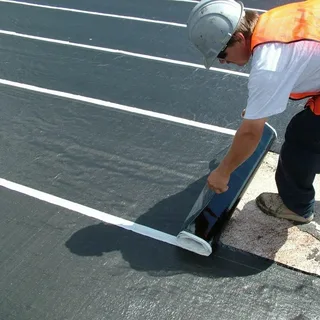
Sheet Waterproofing: Reliable Protection for Wet Areas and Structures
A Sheet waterproofing is a membrane-based system designed to prevent water penetration in bathrooms, balconies, basements, rooftops, and other moisture-exposed areas. Unlike liquid-applied coatings, sheet membranes are pre-manufactured layers that are laid and bonded onto surfaces to create a continuous waterproof barrier.
Because the membrane thickness is factory-controlled, sheet waterproofing systems provide consistent coverage and dependable long-term performance when installed correctly.
What Is Sheet Waterproofing?
Sheet waterproofing involves installing a pre-formed waterproof membrane over a prepared substrate such as concrete, screed, or structural flooring. These membranes are typically made from materials like:
- Bituminous membranes
- PVC (polyvinyl chloride) sheets
- EPDM rubber membranes
- HDPE membranes
The sheets are joined using heat welding, adhesives, or mechanical fastening to create a sealed and watertight surface.
Where Sheet Waterproofing Is Commonly Used
Sheet membrane systems are suitable for a variety of residential and commercial applications:
Bathrooms and Wet Areas
Provides a moisture barrier beneath tiles, preventing leaks into subfloors and adjacent rooms.
Balconies and Terraces
Protects structural slabs from rainwater penetration and long-term deterioration.
Basements and Foundations
Prevents groundwater ingress and helps reduce dampness issues.
Roof Decks
Used in flat or low-slope roofing systems where consistent waterproofing is critical.
Advantages of Sheet Waterproofing
Sheet waterproofing systems offer several key benefits:
Consistent Thickness
Unlike liquid membranes, which rely on correct application thickness, sheet membranes come pre-manufactured to uniform specifications.
Immediate Waterproofing
Once properly installed and sealed, the surface is ready without waiting for curing times.
High Durability
Many sheet membranes are resistant to punctures, chemicals, and temperature changes.
Reliable Joint Sealing
Heat-welded or bonded seams reduce the risk of weak points when installed correctly.
Important Installation Considerations
Successful sheet waterproofing depends heavily on preparation and workmanship. Key steps include:
- Proper surface cleaning and levelling
- Correct membrane alignment and overlap
- Secure bonding or welding of joints
- Testing before tiling or final finishes
Poor installation can lead to leaks even with high-quality materials, which is why professional application is recommended.
Sheet vs Liquid Waterproofing
While both methods serve similar purposes, sheet waterproofing is often preferred for:
- Large flat surfaces
- Areas requiring uniform membrane thickness
- Projects needing high durability
Liquid systems, on the other hand, may be more flexible for irregular shapes or tight corners.
Final Thoughts
Sheet waterproofing provides a dependable solution for protecting structures from water damage. With consistent membrane thickness, strong seam bonding, and long-term durability, it’s widely used in both residential and commercial construction.
Proper preparation and skilled installation are key to ensuring the system performs effectively and safeguards the building for years to come.