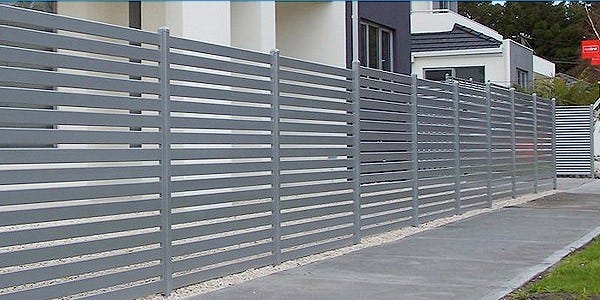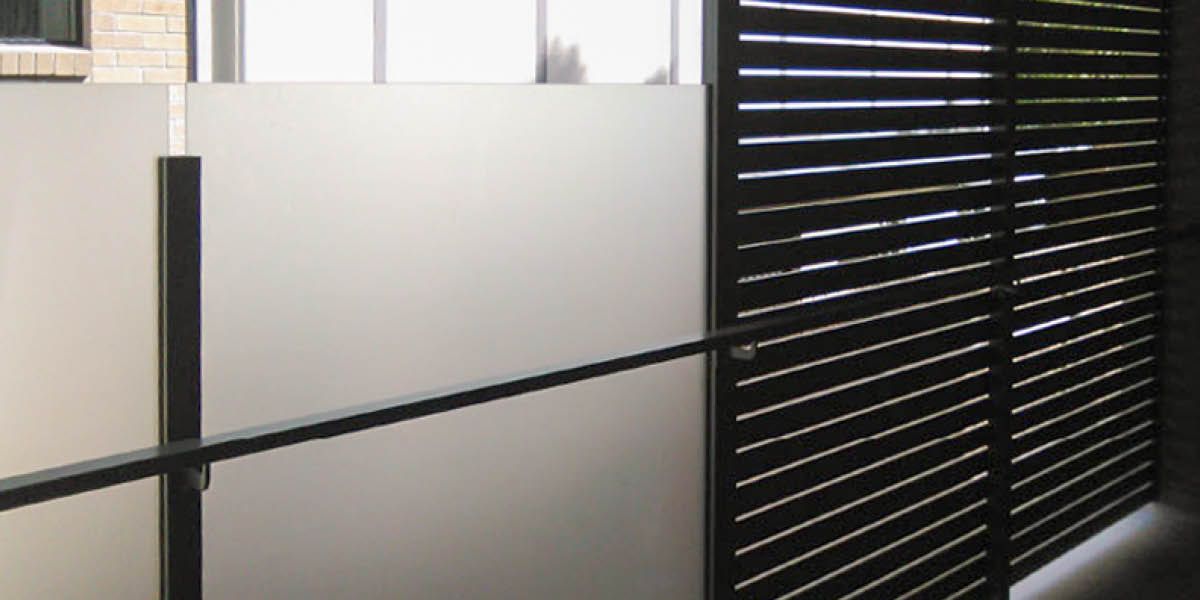
Aluminium privacy screens are widely used to create defined, secluded areas within residential and commercial spaces. They offer a structured way to manage visibility, airflow, and light while maintaining a modern architectural look. This step-by-step guide explains how aluminium privacy screens are planned, selected, and installed for effective results.
Planning the Purpose and Placement
Before selecting a screen, it is important to define its intended function and location. This ensures the design aligns with both practical and visual requirements.
- Identify areas requiring privacy, such as patios, balconies, or boundary lines
- Assess sunlight direction to determine light filtration needs
- Consider wind flow to maintain ventilation without exposure
- Measure available space to ensure accurate sizing and fit
Selecting the Appropriate Screen Design
Different designs serve different functional and aesthetic purposes. The choice of pattern, density, and finish affects both privacy levels and visual appeal.
- Laser-cut patterns create decorative effects while allowing partial visibility
- Slatted designs provide adjustable levels of openness and airflow
- Solid panels offer maximum privacy and noise reduction
- Powder-coated finishes enhance durability and colour consistency
Preparing the Installation Area
Proper preparation ensures the screens remain stable and aligned over time. This step forms the foundation for a secure installation.
- Clear the installation surface of debris and obstructions
- Mark fixing points accurately using measurements and guides
- Check for level ground or wall alignment to prevent uneven placement
- Identify structural support points for mounting brackets or posts
Installing Aluminium Privacy Screens
The installation process involves securing the screens firmly while maintaining precise alignment. Each step contributes to structural integrity and visual consistency.
Fixing Support Structures
Support elements provide the base for attaching the screens.
- Install posts or wall brackets depending on the mounting method
- Ensure all supports are level and evenly spaced
- Use appropriate fasteners for the surface type
Attaching the Screen Panels
Panels are positioned and secured to the support structure.
- Align panels carefully to maintain consistent spacing
- Fix panels using screws or brackets designed for aluminium
- Check vertical and horizontal alignment during installation
Final Adjustments and Inspection
Once installed, the screens are adjusted and inspected for stability.
- Tighten all fittings to prevent movement or vibration
- Inspect edges and joins for uniformity
- Ensure panels are securely fixed and free from gaps
Functional Benefits of Aluminium Privacy Screens
These screens provide multiple practical advantages beyond visual separation. Their design supports both comfort and usability in various environments.
- Enhances privacy without fully blocking natural light
- Allows airflow, improving ventilation in enclosed spaces
- Acts as a partial barrier against dust and external elements
- Can be used as a decorative architectural feature
Maintenance and Long-Term Care
Although aluminium is low-maintenance, periodic care helps preserve its appearance and function. Simple practices can extend the lifespan of the screens.
- Clean surfaces with mild solutions to remove dirt and buildup
- Inspect mounting points for signs of loosening or wear
- Reapply protective coatings if surface damage occurs
- Remove debris that may accumulate in patterned designs
Environmental and Design Considerations
Aluminium screens contribute to sustainable and adaptable design solutions. Their flexibility allows integration into various architectural styles.
- Recyclable material supports environmentally responsible construction
- Lightweight nature reduces structural load requirements
- Suitable for both indoor and outdoor applications
- Can be customised to match different design themes
Conclusion
Aluminium screens offer a structured approach to creating private, functional spaces without compromising light or airflow. From planning and design selection to installation and maintenance, each step plays a role in achieving effective results. Their durability and adaptability make them suitable for diverse applications. Choosing aluminium privacy screens ensures a balance of privacy, design, and long-term performance.