Tag Archive : electric hydronic heating

Is Electric Hydronic Heating Right For Your Sydney Home?

As more Sydney homeowners seek clean, efficient, and low-maintenance ways to heat their homes, electric hydronic heating is emerging as a popular option. This system uses heated water to provide radiant warmth throughout your home, offering consistent comfort without the air-drying effects of traditional systems. But how does it compare to other heating options—and is it right for your home?

What Is Electric Hydronic Heating and How Does It Work?

Water-Based Radiant Heating
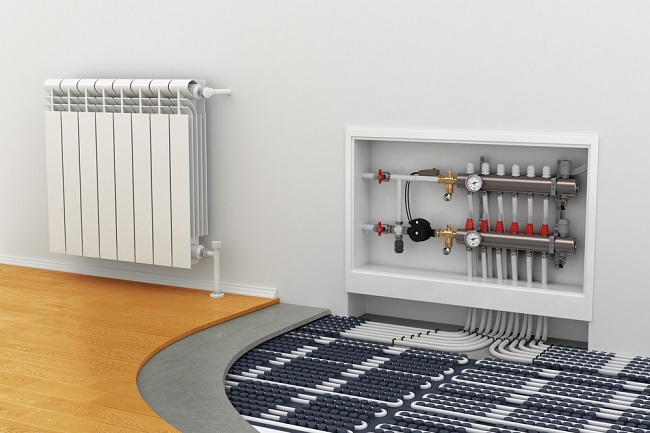
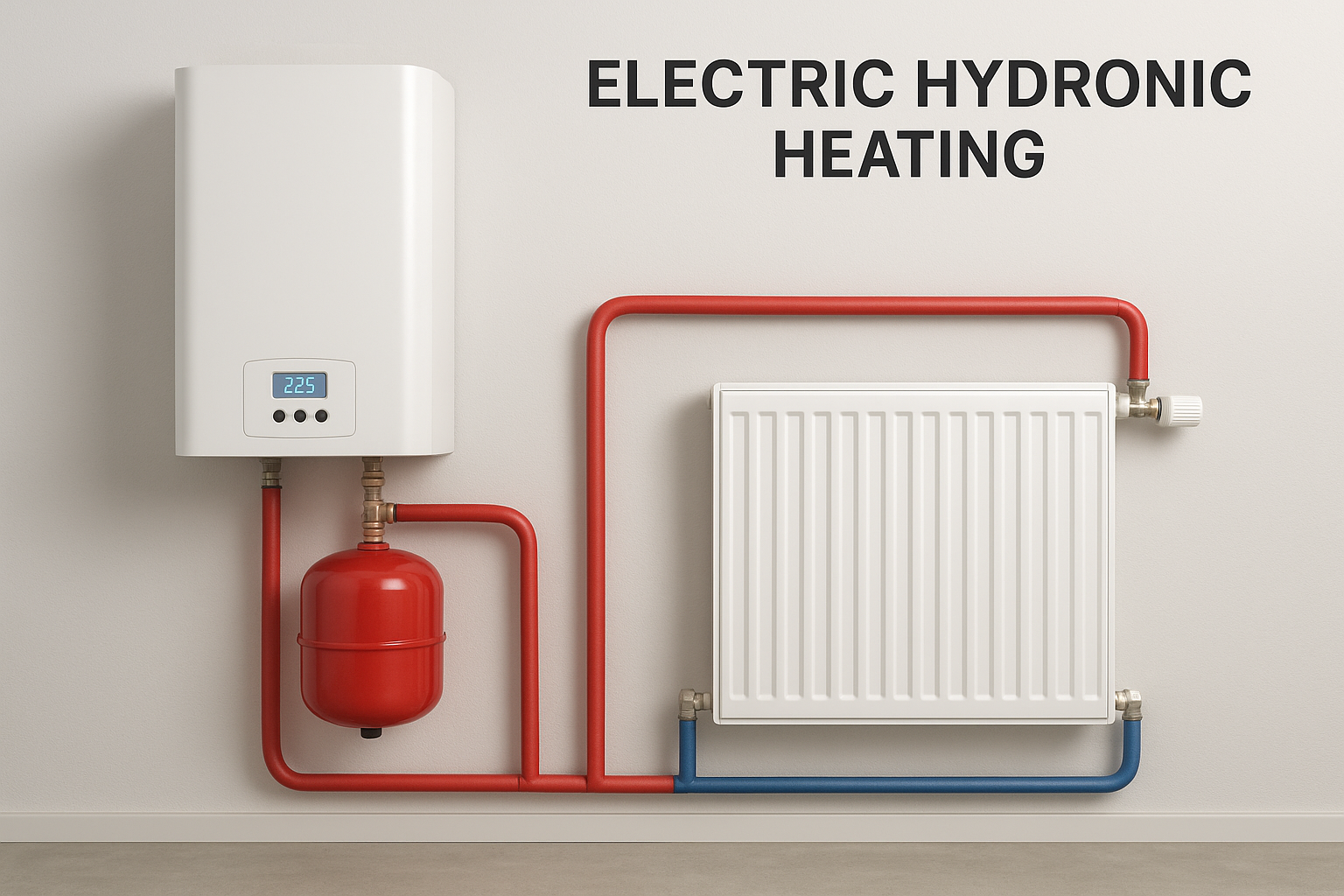
Electric hydronic systems use electricity to heat water, which is then circulated through pipes under floors or into wall-mounted radiators.

Silent Operation
Unlike ducted systems or fan heaters, electric hydronic systems run quietly—perfect for bedrooms, studies, and open-plan living spaces.

No Ducts, No Dust
Hydronic heating doesn’t circulate air, which means fewer allergens, no dry air, and better indoor air quality.

Zoned Heating
Rooms can be controlled independently with thermostats, allowing you to heat only the areas you’re using.

Low Visual Impact
With in-floor systems or sleek radiators, electric hydronic heating blends into any interior design style.

Why Choose Electric Over Gas or Heat Pump Systems?

Simple Installation for Retrofits
Electric systems are easier to install in existing homes, especially where gas supply is limited or heat pumps aren’t viable.

No Need for External Units
Unlike heat pumps, there’s no bulky outdoor compressor, making electric systems ideal for units, terraces, or homes with limited yard space.

More Affordable Upfront
Electric hydronic systems typically have lower installation costs than heat pumps or gas boilers.

Reliable in All Weather Conditions
Electric heating systems aren’t affected by outdoor temperature changes, making them reliable throughout the year.

Ideal for Smaller Homes or Apartments
For compact spaces, electric hydronic heating provides targeted warmth without the infrastructure required by larger systems.

What Are the Key Components of an Electric Hydronic System?

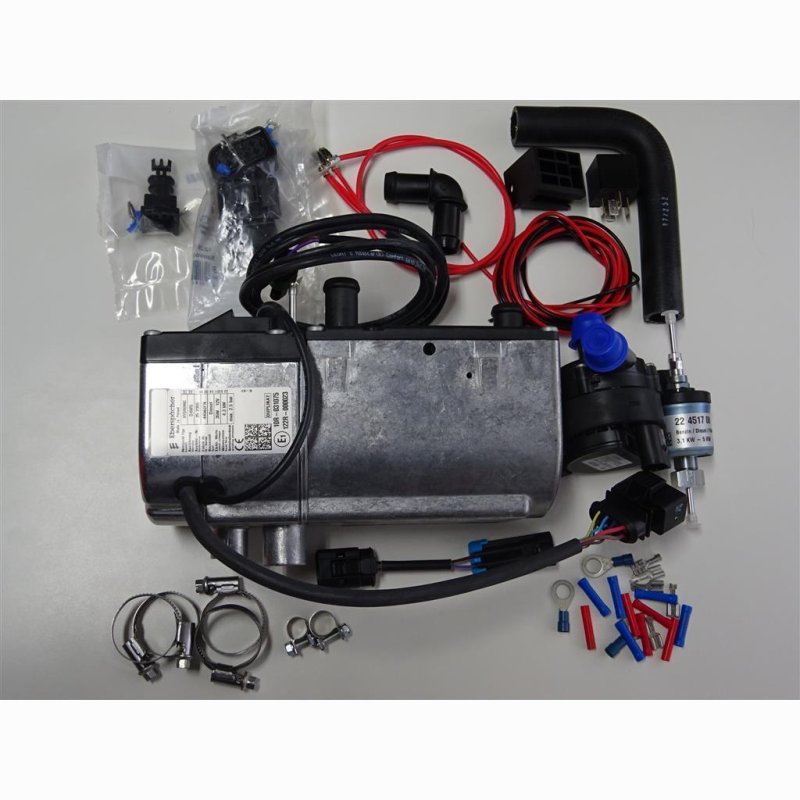
Electric Boiler or Element Heater
This heats the water used throughout the system, controlled by your home’s electrical system.

In-Floor Pipework or Radiators
These deliver warmth either through the slab (in-floor) or mounted panels (radiators), depending on the installation.

Thermostats and Zone Controls
Each zone or room can be individually adjusted, offering maximum control and energy savings.

Circulating Pump
A small pump ensures water flows consistently and evenly across all zones for uniform heating.

Safety Valves and Sensors
Modern electric hydronic systems include smart safety features like pressure valves and overheat protection.

What Should You Consider Before Installing Electric Hydronic Heating?

Your Electricity Tariff
To minimise running costs, explore off-peak electricity plans or pair the system with solar panels.

Home Insulation Quality
Hydronic systems are most efficient in well-insulated homes where heat is retained effectively.

Heating Needs and Usage Patterns
Electric hydronic heating is perfect for moderate use across multiple zones—it may be less cost-effective for high-volume, whole-home heating.

Upfront Budget vs Long-Term Use
Installation is generally more affordable, but electricity rates can impact ongoing costs if usage isn’t well managed.

Flooring Compatibility
Hydronic in-slab systems work best with tile, stone, or engineered timber. Radiators are a flexible alternative for carpeted areas or renovations.

Where Can Electric Hydronic Heating Be Installed?

Bathrooms and Ensuites
Popular for comfort underfoot, electric hydronic heating delivers luxurious warmth in wet areas.

Living Rooms and Bedrooms
Create a consistent temperature without dry air or noise—ideal for relaxation and uninterrupted sleep.

Kitchens and Dining Areas
Hydronic heating under hard flooring keeps high-use zones warm without needing bulky radiators or fans.

Apartment Retrofits
Without gas or external unit access, electric hydronic systems are ideal for unit or townhouse renovations.

Garden Studios and Extensions
Compact electric boilers can serve standalone workspaces or extensions where ducted heating isn’t feasible.

Conclusion:

For Sydney homes seeking silent, clean, and reliable warmth, electric hydronic heating offers a practical and efficient solution. Whether you’re retrofitting a room, renovating an apartment, or simply want a modern heating method that prioritises comfort and control, this system delivers steady performance with minimal fuss. With the right setup and energy plan, electric hydronic heating can become a core part of a comfortable, cost-conscious home.
electric hydronic heating

The Advantages Of Electric Hydronic Heating For Your Home In 2024

As we move into 2024, homeowners increasingly seek energy-efficient, eco-friendly heating solutions. One system that continues to rise in popularity is electric hydronic heating. This system offers a unique combination of comfort, energy efficiency, and sustainability, making it an excellent choice for modern homes. Let’s explore the key advantages of electing electric hydronic heating in 2024.

Energy Efficiency and Cost Savings

Electric hydronic heating works by heating water circulated through pipes or radiators to warm your home. Unlike traditional heating systems that rely on combustion or electricity to directly generate heat, hydronic heating uses less energy because water retains heat more efficiently. This means the system can warm your home more evenly, using less energy over time.

While the upfront installation cost may be higher than traditional heating systems, the long-term savings on energy bills are significant. Over time, homeowners can enjoy reduced heating costs, especially in homes with good insulation. As electricity prices fluctuate, you can also explore options like pairing your system with solar panels to cut costs further.

Consistent and Comfortable Heating

One of the standout benefits of electric hydronic heating is the consistency of its warmth. Unlike conventional forced-air systems, which can create drafts and temperature fluctuations, hydronic heating delivers an even and steady temperature throughout the home. This creates a comfortable, cosy environment, perfect for colder months. Plus, the radiant heat the system produces is more natural, as it heats objects and people directly rather than warming the air, resulting in a more comfortable indoor climate.

Minimal Maintenance

Another advantage of electric hydronic heating is its low-maintenance nature. These systems have fewer moving parts than traditional heating systems, such as forced air or gas systems, which reduces the likelihood of breakdowns and costly repairs. Electric hydronic systems can last for many years with minimal upkeep with proper installation and care.

Eco-Friendly Heating Solution

In 2024, many homeowners are looking for more sustainable ways to heat their homes, and electric hydronic heating is a step in the right direction. The system can be nearly carbon-neutral when powered by renewable electricity sources, such as wind or solar power. This makes it a great option for homeowners who want to reduce their carbon footprint while enjoying the benefits of a reliable heating system.

Flexibility and Zoning

Electric hydronic heating systems are highly versatile and easily customised to suit your home’s needs. You can create different heating zones within your home, ensuring that rooms are heated to the desired temperature without wasting energy on unused spaces. This zoning feature enhances comfort and leads to further energy savings.

Conclusion

The electric hydronic heating offers many benefits, from energy efficiency and low maintenance to consistent warmth and eco-friendliness. As we continue to prioritise sustainability and cost-saving solutions in 2024, it’s clear that this system is an excellent choice for homeowners seeking a reliable, long-term heating solution.

Exploring The Advantages Of Electric Hydronic Heating Systems

When it comes to efficient and comfortable heating solutions, electric hydronic heating systems have gained significant popularity. These systems utilise water as a medium to distribute heat, providing warmth throughout residential and commercial spaces. In this article, let’s explore the advantages of electric hydronic heating systems, highlighting their energy efficiency, superior comfort, versatility, and environmental friendliness.

Energy Efficiency

Electric hydronic heating systems offer remarkable energy efficiency compared to traditional heating methods. By heating water in a central boiler and circulating it through a network of pipes and radiators, these systems effectively transfer heat to the surrounding environment. The use of water as a medium ensures minimal heat loss during distribution, resulting in higher efficiency and reduced energy consumption. As a result, homeowners and businesses can enjoy cost savings on their energy bills while minimising their environmental footprint.

Superior Comfort

One of the key advantages of electric hydronic heating systems is the superior comfort they provide. Unlike forced-air heating systems that distribute heated air unevenly, hydronic systems deliver radiant heat evenly throughout the space. This radiant heat warms objects and surfaces, creating a comfortable and cozy environment. Additionally, hydronic systems operate silently, eliminating the noise associated with forced-air systems. The absence of blowing air and dust particles also makes hydronic heating ideal for individuals with allergies or respiratory sensitivities.

Versatility

Electric hydronic heating systems offer exceptional versatility, making them suitable for various applications and spaces. These systems can be installed in new construction or retrofitted into existing buildings, providing flexibility for both residential and commercial settings. They can be integrated with different types of flooring, including tile, hardwood, and carpet, allowing for seamless integration into any interior design. Furthermore, hydronic systems can be zoned, enabling individual temperature control in different areas of the building, ensuring personalised comfort and energy efficiency.

Silent Operation

Another advantage of electric hydronic heating systems is their silent operation. Since these systems do not rely on forced air circulation, there is no noise generated from air vents or fans. This feature is particularly beneficial for bedrooms, libraries, offices, or any space where a quiet and peaceful environment is desired. The absence of noise disturbance allows occupants to focus, relax, or sleep without any disruptions, enhancing the overall comfort of the space.

Environmental Friendliness

Electric hydronic heating systems are considered environmentally friendly heating options. They do not produce any combustion byproducts, such as carbon monoxide or greenhouse gases, making them clean and safe for indoor use. Additionally, the energy efficiency of these systems reduces overall energy consumption, contributing to lower carbon emissions and a smaller ecological footprint. By choosing electric hydronic heating, individuals can prioritise both comfort and environmental sustainability.

Conclusion

Electric hydronic heating systems offer numerous advantages in terms of energy efficiency, superior comfort, versatility, silent operation, and environmental friendliness. These systems provide even and consistent radiant heat, ensuring optimal comfort throughout residential and commercial spaces. With their cost-effective energy consumption, ability to be tailored to different environments, and minimal environmental impact, electric hydronic heating systems are a compelling choice for those seeking efficient and eco-friendly heating solutions.