
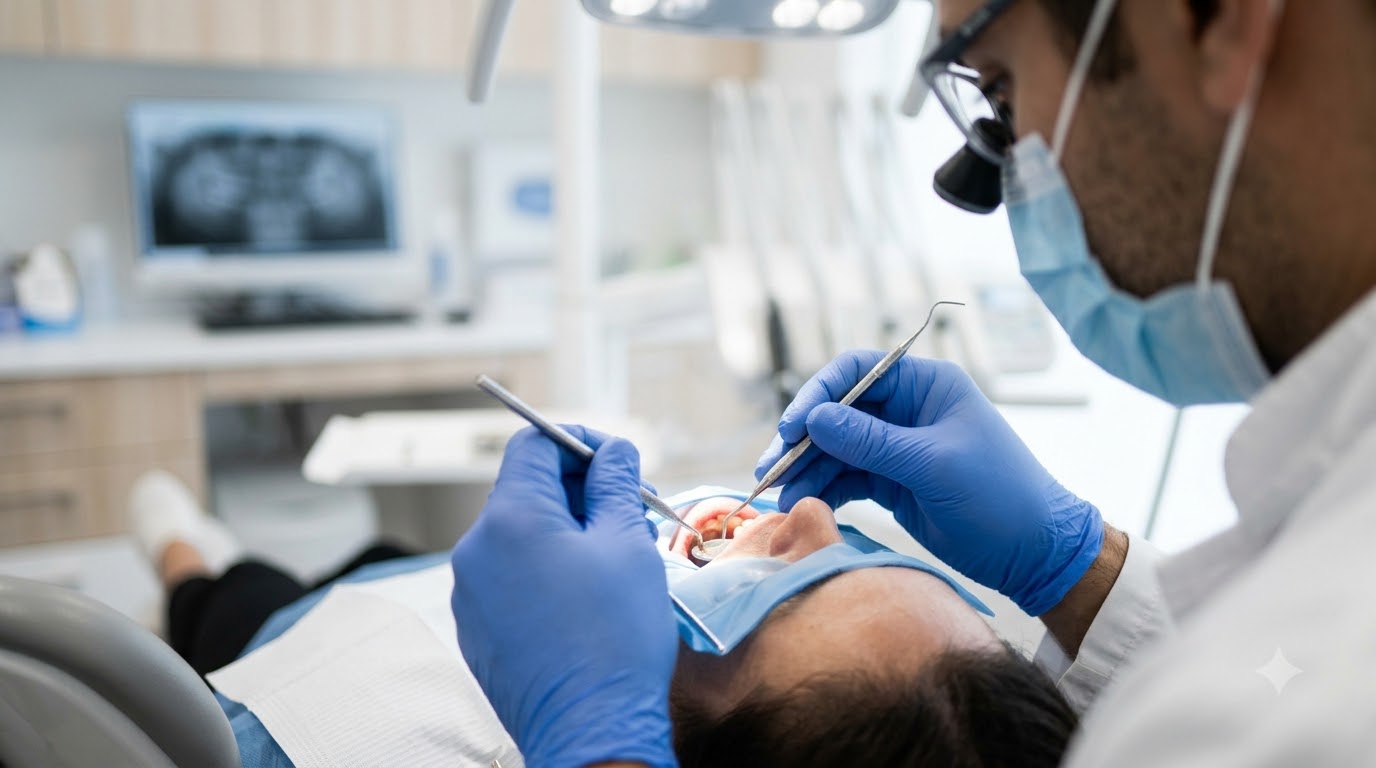
Dental emergencies can happen without warning. A sudden toothache, broken tooth, swelling, bleeding, or dental injury can make normal activities difficult. Knowing what to do quickly can help reduce discomfort and prevent a minor issue from becoming more complicated.
What Are Common Dental Emergencies?
Several dental problems may require prompt attention. Severe tooth pain is one of the most common signs that something needs to be assessed. Other situations include a chipped or fractured tooth, a knocked-out tooth, facial swelling, dental abscesses, uncontrolled bleeding, or damage to a dental filling or crown.
Not every dental problem requires immediate treatment, but symptoms such as intense pain, swelling, fever, or trauma should not be ignored. Early assessment can help identify the underlying cause and determine the most suitable treatment.
When Should Someone Seek Urgent Dental Care?
Persistent or severe pain is an important reason to seek professional advice. Pain that affects sleep, eating, or daily activities may indicate an underlying dental issue.
Swelling around the gums, jaw, or face can also require prompt attention, particularly when it develops alongside pain or fever. A knocked-out permanent tooth is another situation where timing matters, as appropriate action soon after the injury may improve the chances of successful management.
What Should Be Done Before Reaching a Dentist?
Simple first-aid steps can help while waiting for professional care. For a knocked-out tooth, handle it carefully by the crown rather than the root and avoid scrubbing it. If possible, keep it moist and seek dental care promptly.
For a broken tooth, gently rinse the mouth with clean water and avoid chewing on the affected side. A cold compress placed against the outside of the cheek may help with swelling following an injury.
Pain relief medicines may be suitable for some people, but they should always be taken according to the product instructions and individual medical advice.
How Is an Emergency Dental Visit Usually Managed?
An urgent appointment generally begins with an examination of the affected area. The dentist may ask about the symptoms, when they started, and whether an injury occurred. Dental X-rays may be recommended when additional information is needed.
Treatment depends on the cause. It may include repairing a damaged tooth, treating an infection, managing an abscess, addressing a dental injury, or providing temporary care before further treatment. The priority is usually to address the immediate problem and protect oral health.
How Can Dental Emergencies Be Reduced?
Regular dental check-ups and good oral hygiene can help identify potential problems before they become urgent. Brushing twice daily with fluoride toothpaste, cleaning between the teeth, limiting frequent sugary foods and drinks, and protecting the teeth during contact sports can all support better oral health.
It is also useful to replace damaged fillings, crowns, or other dental restorations before they cause further complications.
Why Is Local Access Important During a Dental Emergency?
Having access to an emergency dentist in Canterbury can make it easier to seek professional assessment when sudden dental problems occur. Local access can be particularly useful when pain, swelling, or an injury requires timely attention.
Keeping the contact details of a nearby dental practice can also make it easier to act calmly rather than searching for care while experiencing significant discomfort.
Conclusion
Dental emergencies can be stressful, but knowing the warning signs and taking sensible first-aid steps can make the situation easier to manage. Severe pain, swelling, dental injuries, and knocked-out teeth should receive appropriate professional attention. Prompt assessment can help determine the cause and guide the next stage of treatment. Maintaining good oral hygiene and attending routine dental appointments can also reduce the likelihood of unexpected dental problems.