
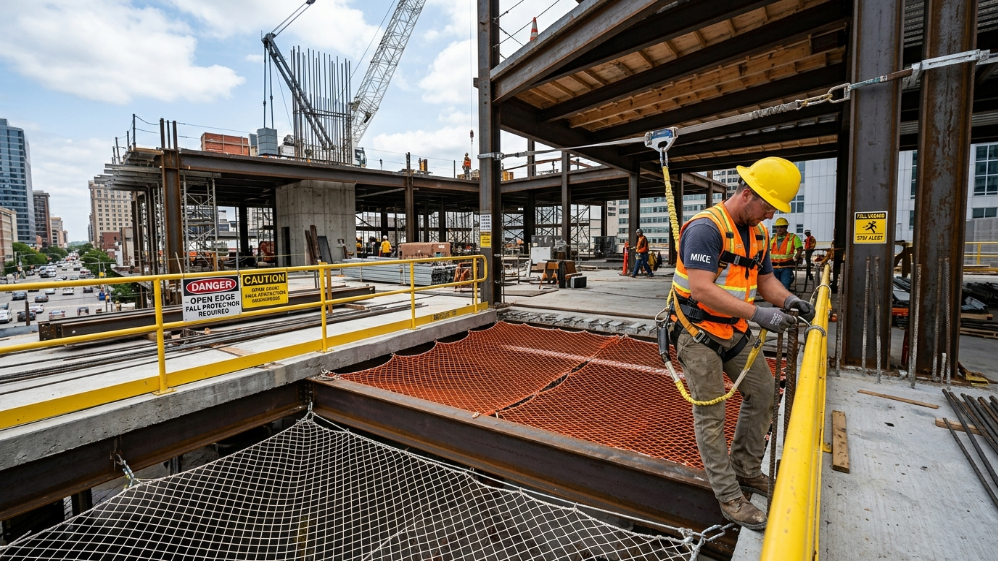
In any environment where work is carried out at height, the systems in place to keep workers safe are not just a regulatory requirement — they are the foundation on which every task above ground level depends. A properly designed and certified high safety system is what allows trades and maintenance crews to work confidently on rooftops, facades, elevated platforms, and anchor points without putting their lives at unnecessary risk. Getting it right requires expertise, proper certification, and a willingness to invest in ongoing inspection and maintenance that many building owners underestimate.
What a High Safety System Actually Includes
The term covers a broad range of components and configurations, all designed to prevent falls or arrest them before serious injury occurs. A complete system typically includes:
- Permanent roof anchor points engineered and certified for the loads generated during a fall arrest event
- Horizontal lifeline systems that allow workers to move laterally across a roof or facade while remaining continuously connected to the system
- Vertical lifeline and rail systems for access on ladders, towers, and vertical structures
- Safety mesh and edge protection installed during construction or maintenance works to prevent falls at open edges
- Walkway and step over systems that provide a defined safe path across fragile or slippery roof surfaces
Each of these components needs to be specified, installed, and certified by qualified professionals to ensure it performs as intended when it matters most.
The Role of Engineering in System Design
A high safety system is not a collection of off-the-shelf parts bolted to a roof without further thought. The engineering behind it determines whether the anchor points are placed at the right locations to protect the work area, whether the loads generated during a fall can be safely transferred into the building structure, and whether the system configuration allows workers to reach all areas they need to access without creating situations where the system itself becomes a hazard.
In Australia, anchor points and lifeline systems must comply with the relevant Australian Standards, and the engineering documentation must be prepared and signed off by a qualified structural or mechanical engineer. This documentation is not a formality — it is the legal evidence that the system is fit for purpose and was designed to protect the people using it.
Inspection and Recertification: Why It Cannot Be Skipped
A high safety system that was correctly installed and certified at the time of commissioning can deteriorate over time if it is not regularly inspected and maintained. Anchor points corrode, particularly in coastal environments. Lifeline components wear with use. Structural changes to the building can affect the load paths that the system relies on. Fixings loosen over time if the structure beneath them moves or settles.
Most systems require annual inspection and recertification by a qualified inspector to confirm that all components remain in serviceable condition and that the system as a whole continues to meet the standard it was originally certified to. Building owners who cannot produce current recertification documentation for their roof anchor systems face both legal exposure and genuine risk to the workers using them.
Who Is Responsible for the System
Under Work Health and Safety legislation across Australia, the person conducting a business or undertaking — which in most cases means the building owner, the principal contractor, or the facilities manager — carries the primary duty of care to ensure that any high safety system on their premises is fit for purpose, properly certified, and maintained in a condition that protects the workers who rely on it.
This duty extends beyond simply having a system installed. It includes understanding what the system covers, ensuring workers using it are trained in its correct use, and keeping records of inspections, recertifications, and any maintenance carried out over the life of the system.