
Tooth Extraction Blacktown: What to Expect and Why It May Be Needed
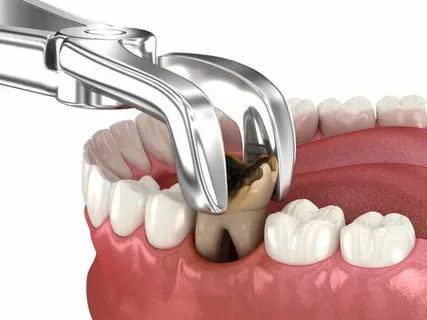
A tooth extraction in Blacktown is a common dental procedure used to remove a damaged, decayed, or problematic tooth. Most extractions are straightforward and completed quickly, but every case is unique. The goal is to relieve pain, prevent infection, or prepare the mouth for orthodontic or restorative treatment.
Understanding why and how extractions are done helps reduce anxiety and ensures you’re informed about your dental care.
When Tooth Extraction Becomes Necessary
Tooth removal isn’t always the first choice, but it may be recommended in situations such as:
- Severe decay that cannot be restored
- Infection or abscess that won’t respond to antibiotics
- Crowding or orthodontic preparation
- Impacted wisdom teeth that cause pain or alignment issues
- Fractured teeth beyond repair
A dentist evaluates your oral health using visual examination, dental X-rays, and discussion of symptoms before deciding on extraction.
What Happens During the Procedure
A typical tooth extraction in Blacktown follows these steps:
1. Local Anaesthesia
Before the procedure, the area around the tooth is numbed with local anaesthetic. You should feel pressure but not pain.
2. Simple Extraction
For visible teeth, the dentist uses specialised tools to loosen and remove the tooth.
3. Surgical Extraction
If a tooth is broken or impacted below the gum line, minor surgical techniques may be used to access and remove it.
4. Aftercare Instructions
Once the tooth is removed, the dentist provides guidance on wound care, pain management, and eating habits to promote healing.
Most patients return to normal activities within a few days, with complete healing over a few weeks.
Aftercare and Healing Tips
Proper care after a tooth removal helps reduce pain, swelling, and complications:
- Rest and avoid strenuous activity for the first 24 hours
- Avoid rinsing or spitting forcefully for the first day
- Use cold packs to reduce swelling
- Eat soft foods and avoid chewing near the extraction site
- Follow any medication instructions from your dentist
It’s also important to maintain good oral hygiene while being gentle around the healing area.
When to Seek Further Attention
Most people heal well after extraction, but contact your dentist if you experience:
- Severe or increasing pain
- Persistent bleeding
- Signs of infection (fever, swelling, discharge)
- Visible dry socket (intense pain a few days after extraction)
Prompt care can prevent complications and speed recovery.
Alternatives to Extraction
In some cases, dentists may explore alternatives before recommending removal, such as:
- Root canal treatment to save an infected tooth
- Restorative crowns for structurally compromised teeth
- Orthodontic solutions for crowding without extraction
The best approach depends on your overall oral health and long-term goals.
Final Thoughts
A tooth extraction in Blacktown is a well-established treatment that relieves pain and restores oral health when other options aren’t suitable. With local anaesthesia, clear aftercare guidance, and professional support, most patients find the experience manageable and the outcomes positive.
If you’re uncertain whether extraction is necessary, a dental consultation can clarify your options and help you choose the right path for your smile.