
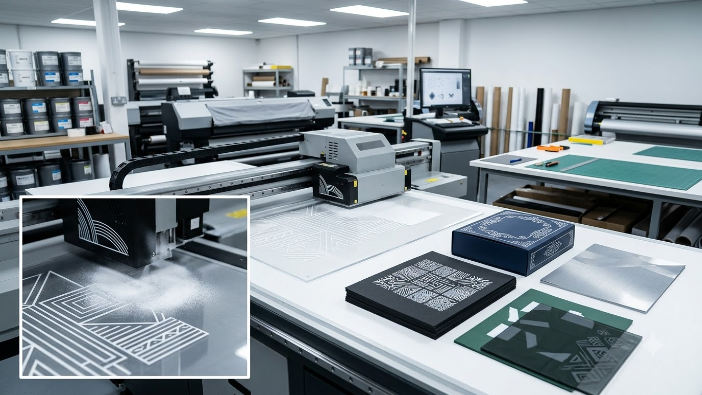
Unlocking Creative Possibilities with White Ink Printing
Printing isn’t limited to white paper and light-coloured surfaces. When businesses need bold graphics on dark, transparent, or coloured materials, white ink printing can provide a distinctive solution. Unlike conventional printing methods, white ink can create an opaque base or act as a design element, allowing colours and details to remain visible against challenging backgrounds.
From product labels and packaging to promotional materials and signage, this printing technique opens up a wider range of creative possibilities.
What Makes White Ink Printing Different?
Traditional printing generally relies on colours being reproduced over a light background. When the same artwork is printed onto a dark or transparent surface, colours may appear less vibrant or lose their intended appearance.
White ink changes this by allowing a white layer to be printed beneath or alongside other colours. This can help create stronger contrast and make artwork more visually prominent.
Depending on the project, white ink can be used for:
- Solid white text and graphics
- White backgrounds beneath coloured artwork
- Highlight effects
- Layered designs
- Transparent labels
- Dark-coloured materials
This flexibility makes it particularly useful for customised printing projects.
Printing on Dark Materials
One of the biggest advantages of white ink printing is its ability to produce visible designs on dark surfaces. Standard colours can struggle to stand out when placed directly onto black, navy, or other deep shades.
A white ink layer can provide a brighter foundation, helping printed colours appear more defined and vibrant.
This can be useful for:
- Dark packaging
- Branded merchandise
- Promotional products
- Signage
- Labels
- Event materials
Creating Transparent Labels
Transparent materials can create a sleek, modern appearance, but printing on them requires careful consideration. Without a white layer, certain colours can become difficult to see depending on the background behind the label.
White ink printing allows designers to control which parts of the artwork remain opaque and which areas retain transparency. This can create distinctive effects for product packaging, bottles, jars, and promotional labels.
White Ink as a Design Feature
White ink doesn’t always have to serve as a background. It can also become an important part of the artwork itself.
Designers can use white elements for:
- Logos
- Typography
- Illustrations
- Borders
- Decorative patterns
- Minimalist designs
Combining white elements with other colours can produce clean contrasts and help important details stand out.
Industries That Can Benefit
The versatility of white ink makes it suitable for a wide range of businesses and creative projects.
It can be used for:
- Product packaging
- Cosmetic labels
- Food and beverage branding
- Retail signage
- Promotional merchandise
- Event stationery
- Custom stickers
- Short-run marketing materials
Businesses can experiment with different substrates and finishes to create packaging and promotional products that reflect their brand identity.
Things to Consider Before Printing
Before choosing white ink printing, it is important to consider the material, artwork, intended finish, and overall design.
Think about:
- Whether the surface is dark, clear, or coloured
- Which areas of the design need an opaque white layer
- How colours will appear against the chosen material
- The required size and quantity
- Whether a matte, gloss, or specialty finish is preferred
Preparing artwork specifically for white ink production can help achieve a cleaner and more consistent result.
Why White Ink Can Elevate Branding
Packaging and promotional materials often compete for attention. Using white ink on an unconventional surface can make a design feel more distinctive without requiring complicated graphics.
A simple logo printed in white on a transparent or dark surface, for example, can create a clean and premium visual effect. This makes the technique useful for businesses that want their printed materials to look different from standard designs.
Final Thoughts
White ink printing expands the creative possibilities available to businesses by making it possible to produce striking designs on dark, transparent, and coloured materials. From bold packaging and labels to promotional products and signage, white ink can improve contrast, highlight important details, and create distinctive visual effects. With thoughtful artwork and the right material, it can turn an ordinary printed product into a more eye-catching representation of your brand.