
What Should You Really Look For When Choosing Insulated Roofing Suppliers?
When planning a roofing upgrade, one of the biggest questions homeowners face is: how do you choose the right insulated roofing suppliers for a long-lasting and energy-efficient result? With roofing materials constantly evolving and Australian weather conditions demanding stronger, better-performing systems, selecting the right partner becomes more important than ever. Understanding how insulated roofing suppliers influence the outcome of your project can help you make a smarter, cost-effective decision.
Why Does the Supplier You Choose Matter So Much?
Choosing a roofing material isn’t just about picking colours, finishes, or styles. It’s about trust—trust that the product installed above your home will endure heatwaves, heavy rain, and seasonal temperature shifts. But why does the supplier matter?
Quality Determination
The supplier directly influences the grade of insulation, panel strength, coating durability, and overall roof lifespan. A well-established supplier often follows strict manufacturing standards, while a random provider may leave you with roofing that warps, leaks, or breaks down prematurely.
Consistency of Materials
Consistent performance matters, especially for Australian homes facing varying temperatures. A reliable supplier ensures every panel meets expected thermal and structural standards rather than giving you a mix of unpredictable products.
Availability of Technical Guidance
While you may not need detailed construction knowledge, having access to correct installation information, structural requirements, and maintenance guidelines makes decisions easier and safer.
What Questions Should You Ask Before Committing?
Before choosing any supplier, ask yourself—how well do they address real-world roofing concerns?
- Do their materials suit coastal, suburban, or rural climates?
- Are their insulation layers tested for Australian standards?
- Do they provide clear documentation, product warranties, and compliance details?
- Can they offer panel solutions for patios, carports, extensions, and commercial spaces?
When suppliers willingly answer these questions, it often reflects confidence in their product quality.
How Do You Know Whether the Insulation Level Is Right for Your Home?
Not every roofing panel suits every property type. You may wonder—what level of insulation actually makes sense for my home?
- For hot regions: Higher-density insulation helps reduce heat transfer, keeping indoor spaces comfortable.
- For cooler zones: Panels with good thermal retention help reduce heating costs.
- For mixed climates: Multi-layer insulated panels often work best.
Understanding this helps you avoid under-insulated or over-engineered products that might not match your needs or budget.
What Makes Installation Techniques Just as Important as the Roofing Panel?
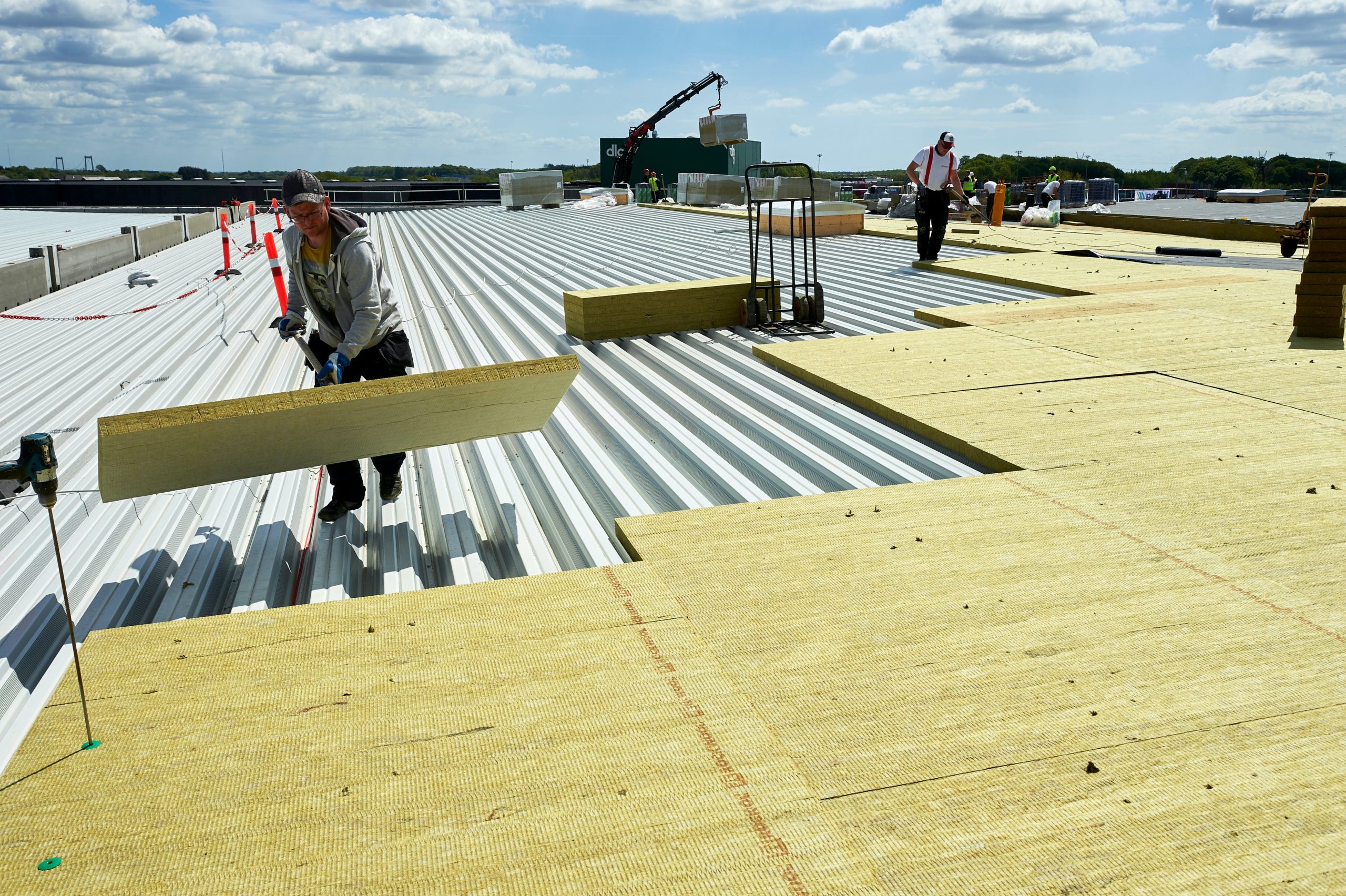
Even the best roofing panel can fail if installed incorrectly. The right supplier should give clear installation guidance so builders know exactly how the panels need to be positioned, sealed, and supported. If your installer struggles to follow instructions or the supplier doesn’t provide them, the roof’s performance may decline much sooner than expected.
Why Should You Consider Long-Term Value Rather Than Just Up-Front Pricing?
It’s easy to choose cheaper panels, but are they truly economical? Ask yourself:
- Will these panels maintain insulation quality after years of sun exposure?
- Will the colour and coating resist fading and corrosion?
- Will the panel design prevent water from pooling and minimise leak risks?
A good supplier helps you understand the total cost of ownership, including performance, durability, and maintenance savings.
How Can You Tell Whether a Supplier Truly Understands Australian Conditions?
Real expertise shows when suppliers design products suited to Australian climates—strong sun, humidity, salt air, storms, and temperature shifts. Those who tailor roofing materials for local homes often provide better longevity and thermal control.