
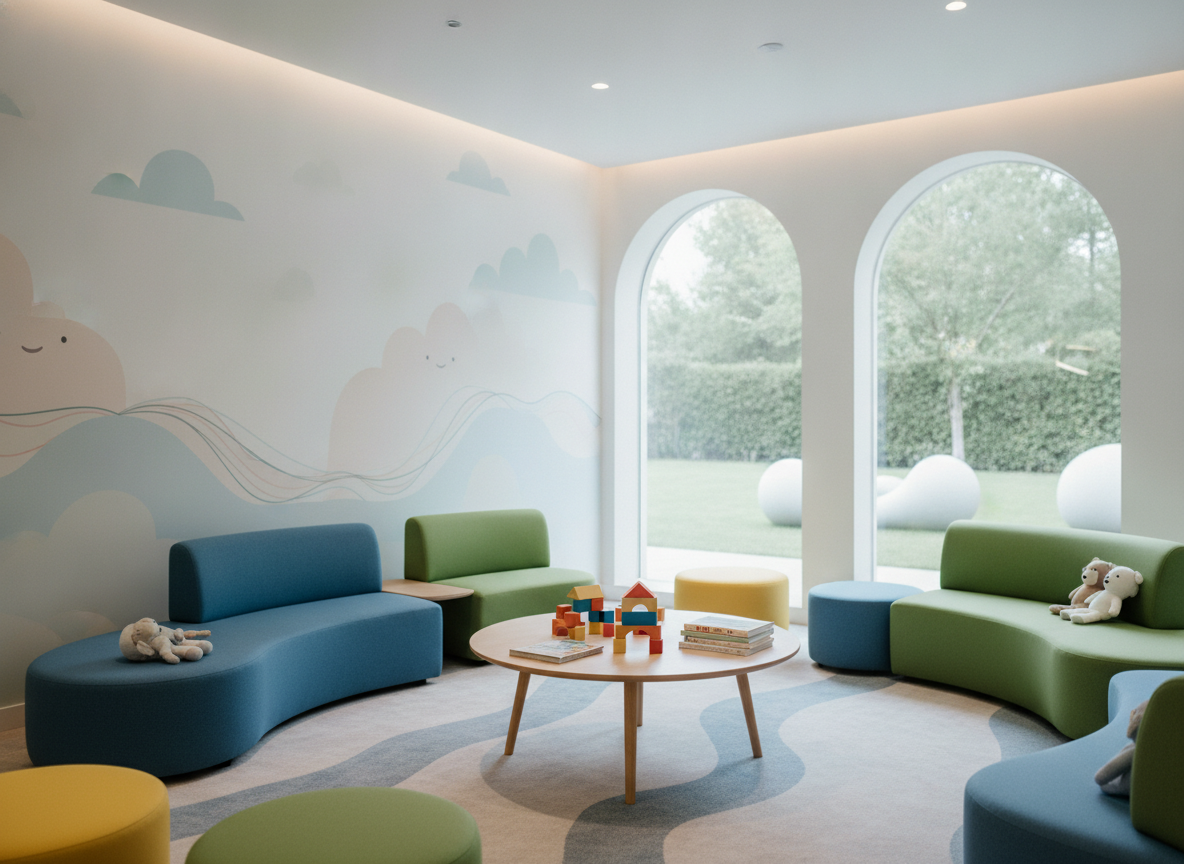
When a Child’s Pain Needs More Than Time to Heal
Every parent knows that children experience pain differently from adults — they can’t always describe what they’re feeling, and the behaviours that signal persistent pain are easy to misread as mood changes, school avoidance, or simply growing pains. When pain in a child lasts longer than expected, affects sleep, limits activity, or becomes part of daily life, seeking support from a pain relief center for children is a step that can genuinely change the trajectory of a child’s wellbeing and development.
Why Children’s Pain Deserves Specialist Attention
Persistent pain in children is more common than many people realise, and it’s not something that should simply be waited out. Chronic or recurrent pain — whether from a medical condition, injury, or a sensitised nervous system — affects how a child sleeps, eats, learns, and relates to friends and family. Left without proper assessment and management, it can shape a child’s experience of their own body and their confidence in ways that extend well beyond the physical symptom itself.
Children are not small adults when it comes to pain. Their nervous systems are still developing, their ability to understand and communicate pain is limited by age and language, and the psychological and social dimensions of their experience are inseparable from the physical. Specialist paediatric pain centres are designed around these differences.
What a Paediatric Pain Centre Offers
A well-resourced pain relief center for children brings together the clinical disciplines needed to assess and address pain from every relevant angle. This typically includes:
- Paediatric pain medicine specialists who assess the medical contributors to the child’s pain and coordinate the overall management plan
- Physiotherapists with experience in paediatric pain, focused on graded movement and activity restoration
- Psychologists trained in pain-focused cognitive behavioural therapy and acceptance-based approaches for children and adolescents
- Occupational therapists who help children return to school, play, and daily activities within their current capacity
- Social workers who support families navigating the stress and disruption that chronic pain in a child creates for the whole household
This team-based approach is what distinguishes specialist paediatric pain care from a single-discipline assessment, and it’s what produces the most meaningful outcomes for children and their families.
What Parents Can Expect From the Process
A first appointment at a paediatric pain centre usually involves a thorough assessment of the child’s pain history, its impact on daily life, and any previous treatments or investigations. Parents are an important part of this process — their observations, concerns, and understanding of how the pain affects the family provide context that the child may not be able to express independently.
From that assessment, a collaborative management plan is developed that involves the child, the family, and the clinical team working together toward realistic, meaningful goals — not just reducing pain, but rebuilding the child’s ability to participate in the activities and experiences that matter to them.
A Better Path Forward for Children in Pain
Persistent pain in a child is not something any family should navigate alone or accept as simply part of life. With the right support, most children make meaningful progress — returning to school, reconnecting with friends, and regaining the confidence to move and engage with their world. Accessing a pain relief center for children early, rather than waiting to see if things improve on their own, is the most effective way to give a child that chance.