
Why Is Factory Line Marking Essential for Workplace Safety and Efficiency?
Industrial environments operate at a fast pace, where clear guidance and organisation are critical to maintaining safety and productivity. Many facility managers rely on professional factory line marking to clearly define work zones, traffic paths and hazard areas. These visual controls play a vital role in reducing risks while supporting smooth daily operations within manufacturing and warehouse facilities.
What Is Factory Line Marking and How Does It Work?
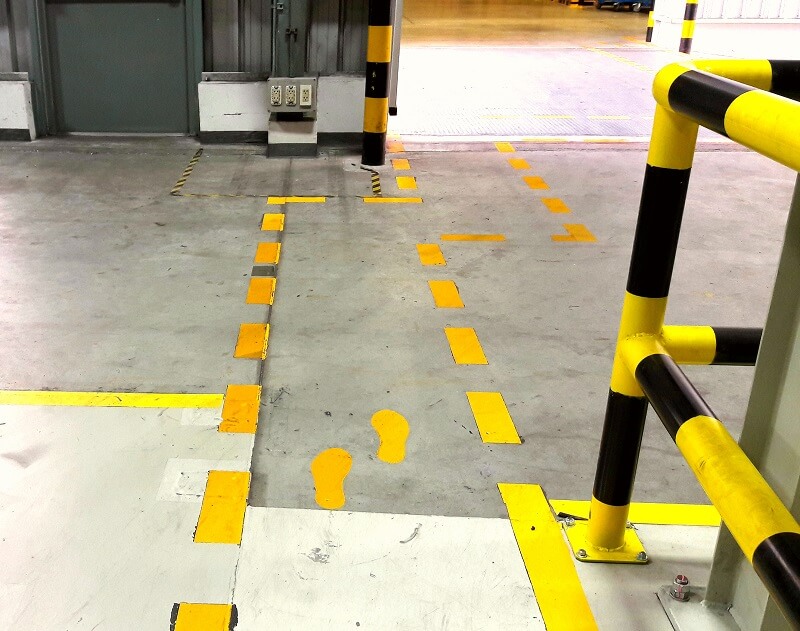
Factory line marking involves applying visible lines, symbols and colour-coded markings to floors and surfaces within an industrial setting. These markings are used to designate walkways, forklift routes, storage zones, machinery areas and emergency exits. By clearly separating different operational areas, factory line marking helps workers understand boundaries and follow correct movement patterns at all times.
How Does Factory Line Marking Improve Workplace Safety?
Safety is a top priority in any factory environment. Clear floor markings reduce the risk of accidents by guiding pedestrian movement away from machinery and vehicle pathways. Marked exclusion zones around equipment help prevent unauthorised access, while emergency pathways ensure exits remain visible and unobstructed. Effective factory line marking supports compliance with Australian workplace health and safety standards by promoting awareness and consistency.
Can Line Marking Increase Operational Efficiency?
Well-planned factory layouts supported by line marking can significantly improve workflow. Defined storage areas reduce clutter, while clearly marked loading and unloading zones streamline material handling. Workers spend less time navigating unclear spaces, which leads to faster task completion and reduced downtime. Factory line marking also assists new staff and visitors in understanding the layout quickly, minimising confusion on site.
What Types of Markings Are Commonly Used in Factories?
Factories use a range of markings depending on their operations, including:
- Pedestrian walkways
- Forklift and vehicle lanes
- Hazard and exclusion zones
- Storage and pallet locations
- Emergency exits and assembly points
- Equipment operating areas
Different colours are often used to distinguish functions, making it easier for workers to recognise zones at a glance.
Why Is Professional Application Important?
Industrial floors experience heavy traffic, chemical exposure and regular cleaning, which can wear down poor-quality markings. Professional factory line marking services use durable paints or thermoplastic materials designed for high-performance environments. Experienced applicators ensure markings are accurately placed, clearly visible and long-lasting, reducing the need for frequent reapplication.
How Does Factory Line Marking Support Compliance?
Australian safety regulations encourage clear visual management systems within workplaces. Factory line marking helps businesses demonstrate their focus to safe practices during audits and inspections. Properly marked floors show proactive risk management and help organisations meet their duty of care obligations to employees and visitors.
Conclusion
Professional factory line marking is an essential investment for maintaining a safe, efficient and compliant industrial environment. By clearly defining movement paths, work zones and hazards, factory line marking supports smoother operations and reduces the likelihood of accidents. For facilities aiming to improve organisation and workplace safety, clear and durable line marking delivers long-term value and peace of mind.