
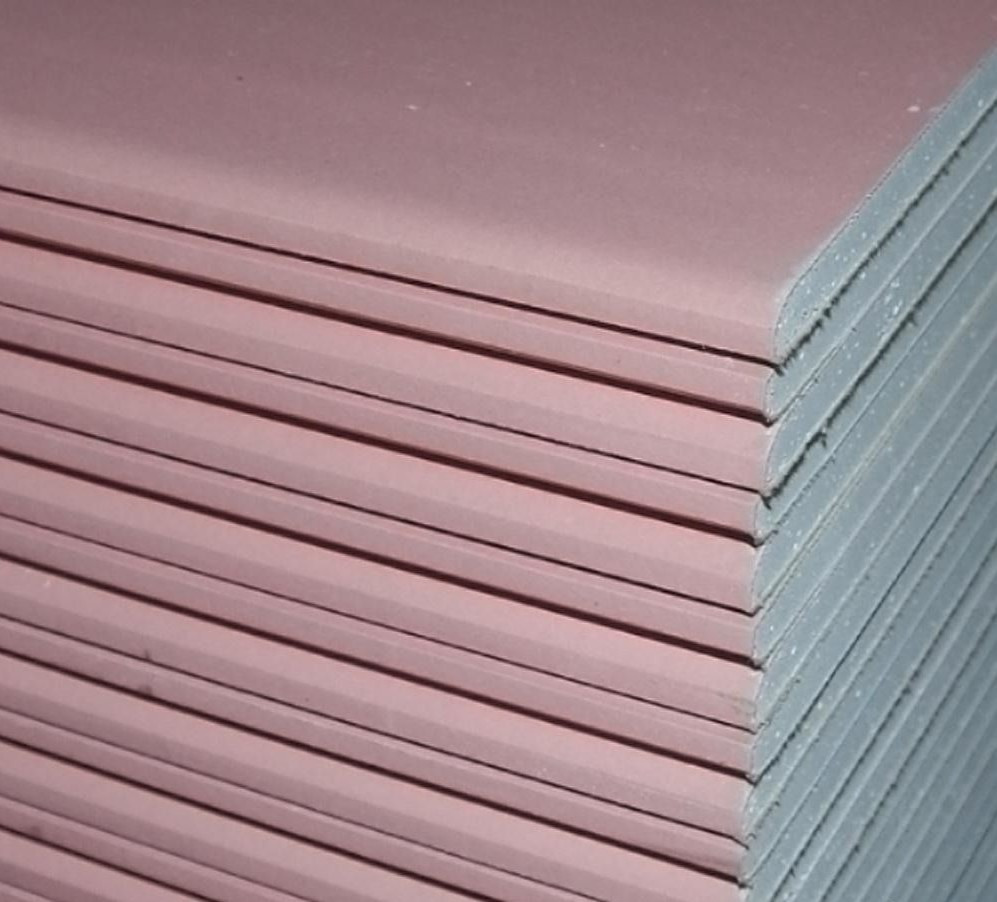
Why Is Fire Rated Plasterboard Essential In Modern Construction?
Fire rated plasterboard is a specialised building material designed to slow the spread of flames, providing crucial protection in both residential and commercial buildings. It is widely used where safety regulations demand enhanced fire resistance, without compromising on the aesthetic and functional qualities of standard plasterboard. In this introduction, we examine why fire rated plasterboard is a critical component in safe and compliant construction projects.
How does fire rated plasterboard improve building safety?
The primary function of fire rated plasterboard is to act as a barrier that delays the spread of fire, giving occupants valuable time to evacuate and reducing structural damage. Its use is often mandated in high-risk areas or multi-storey buildings.
- Provides additional resistance against flames and high temperatures.
- Protects structural elements from rapid heat exposure.
- Slows fire progression between rooms or floors.
- Reduces smoke and toxic gas infiltration during a fire.
- Supports compliance with building codes and safety regulations.
Where is fire rated plasterboard commonly used?
This type of plasterboard is versatile and can be installed in a wide range of locations where fire safety is a priority. Its strategic placement helps maximise protection.
- Fire-rated walls in residential apartments or townhouses.
- Ceilings above kitchens, boiler rooms, or utility areas.
- Commercial buildings, including offices, schools, and hospitals.
- Partition walls in hotels or hospitality venues.
- Around stairwells, lift shafts, or escape routes for added protection.
How does fire rated plasterboard differ from standard plasterboard?
While visually similar to standard plasterboard, fire rated versions contain specialised materials that enhance heat resistance. These materials enable the board to maintain integrity longer during a fire.
- Incorporates glass fibres or gypsum additives for improved heat resistance.
- Denser composition slows heat transfer to structural components.
- Often thicker than standard plasterboard for added protection.
- Provides a certified fire-resistance rating for compliance purposes.
- Maintains smooth finish for painting or decorating once installed.
How does installation affect performance?
Proper installation is critical to achieving the intended fire resistance. Every joint, fixings, and sealing method must be carefully managed to prevent weak points.
- Boards must be securely fixed to frames to prevent gaps.
- Joints sealed with fire-rated compounds maintain integrity.
- Correct spacing and fixing ensure optimal fire performance.
- Integration with fire-rated doors, vents, and ceilings enhances safety.
- Inspections confirm compliance with fire regulations.
What additional benefits does fire rated plasterboard offer?
Beyond safety, fire rated plasterboard retains many of the functional and aesthetic advantages of standard plasterboard. It is lightweight, easy to work with, and supports modern interior finishes.
- Smooth surface allows for painting or wallpaper application.
- Lightweight and easy to cut, transport, and install.
- Compatible with ceilings, partitions, and decorative mouldings.
- Can improve acoustic performance when combined with insulation.
- Reduces overall maintenance costs compared to more invasive fireproofing solutions.
How does fire rated plasterboard contribute to insurance and compliance?
Using fire rated plasterboard in appropriate areas is often a requirement for insurance policies and regulatory approval. Its presence demonstrates a commitment to building safety standards.
- Supports compliance with local building codes and fire safety regulations.
- May reduce insurance premiums by mitigating fire risk.
- Provides documentation for inspections and certifications.
- Enhances the building’s overall safety rating.
- Encourages safe design practices in both new builds and renovations.
What maintenance is required for fire rated plasterboard?
Maintenance is generally minimal, but ensuring its integrity over time is important for ongoing safety and performance.
- Regularly inspect for cracks, moisture damage, or impact marks.
- Repair any damaged areas promptly with fire-rated materials.
- Avoid drilling or cutting without reinstating fire protection measures.
- Maintain surface finishes to prevent weakening due to wear or water ingress.
- Check that integrated systems, such as fire doors and sprinklers, remain functional.
Conclusion
Fire rated plasterboard is a crucial safety feature that combines functional fire resistance with the aesthetic and practical benefits of traditional plasterboard. Its use ensures protection against the spread of flames, supports regulatory compliance, and enhances overall building safety. Suitable for ceilings, walls, and partitions across residential and commercial spaces, it is a reliable and effective solution for modern construction. Installing fire rated plasterboard provides peace of mind, helping safeguard both occupants and property while maintaining a clean and professional interior finish.