

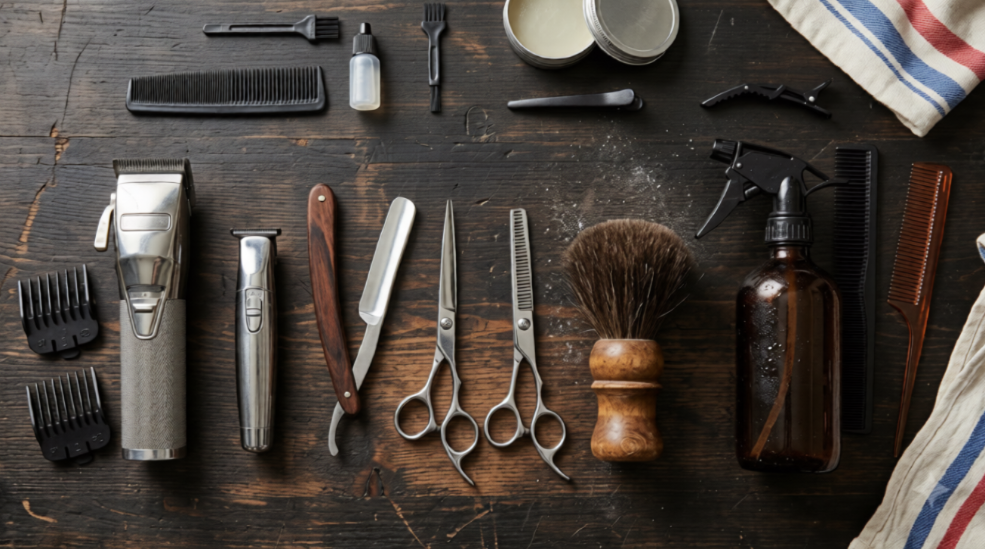
Creating a clean, stylish, and professional haircut requires more than good technique. Having the right equipment helps barbers work efficiently, maintain precision, and deliver consistent results. From trimming and fading to shaping hairlines and finishing details, every tool serves a specific purpose during the haircutting process.
Whether someone is starting a barbering career, setting up a home grooming station, or upgrading an existing salon, understanding the essential equipment can make choosing the right products much easier. A well-organised workstation with reliable tools also improves workflow, comfort, and hygiene.
Why Are the Right Haircutting Tools Important?
Using suitable equipment makes it easier to handle different hair types, lengths, and styles. Professional-quality tools can improve cutting accuracy, reduce unnecessary effort, and help barbers achieve smoother finishes.
The right equipment is useful for:
- Creating fades, tapers, and textured haircuts
- Maintaining clean edges around the neckline and ears
- Cutting thick, coarse, and fine hair more efficiently
- Improving comfort during long working hours
- Maintaining consistent haircut quality
- Supporting better hygiene and workstation organisation
Choosing tools based on their purpose rather than appearance alone can help barbers build a practical and reliable setup.
What Are the Essential Barber Tools for Everyday Haircuts?
A professional barber needs several basic tools to handle different stages of a haircut. Each item helps achieve a particular result, from removing bulk to refining the final appearance.
Hair Clippers
Hair clippers are used to remove bulk hair, shorten lengths, and create fades or tapered styles. They usually come with adjustable blades and guard attachments that allow barbers to work at different cutting lengths.
A reliable clipper should have a comfortable grip, consistent motor performance, and durable blades. Cordless options offer flexibility, while corded models provide continuous power during extended sessions.
Hair Trimmers
Trimmers are designed for detailed work and precision finishing. They are commonly used to shape hairlines, clean necklines, define sideburns, and tidy areas around the ears.
A sharp blade and comfortable design are important when working on fine details. Trimmers help create clean outlines that give a haircut a polished appearance.
Barber Scissors
Scissors are essential for cutting, shaping, texturising, and blending hair. Professional barbers often use different scissors depending on the technique and the desired result.
Straight cutting scissors help remove length and create precise shapes, while thinning scissors remove bulk and soften transitions between sections.
Straight Razors
Straight razors are used for detailed finishing, shaping facial hair, and creating sharp edges. They require proper handling, cleaning, and blade care.
Barbers should use appropriate hygiene procedures and fresh blades when required to maintain a safe grooming environment.
Hair Brushes and Combs
Combs help section hair, guide cutting techniques, and maintain control while working. Different comb styles are suitable for different purposes, including fading, styling, and scissor-over-comb techniques.
Brushes help remove loose hair from the neck and shoulders and assist with styling and finishing.
How Can You Choose the Best Barber Tools?
Selecting suitable equipment depends on your experience, budget, haircutting techniques, and frequency of use. Beginners may benefit from simple, easy-to-maintain tools, while experienced barbers may prefer specialised equipment for advanced techniques.
Consider the following factors before purchasing:
Quality and Durability
Choose equipment made from durable materials that can handle regular use. Strong construction, reliable blades, and well-designed components help reduce frequent replacements.
Comfort and Ergonomics
Tools should feel comfortable in your hand and allow smooth movement. Lightweight designs and balanced handles can help reduce fatigue during long appointments.
Cutting Precision
Sharp blades, accurate scissors, and suitable attachments are important for creating clean lines and smooth transitions. Precision becomes particularly important when working on fades, textured styles, and detailed shaping.
Maintenance Requirements
Consider how easy each tool is to clean, lubricate, disinfect, and store. Equipment that is simple to maintain can help support a more organised daily routine.
What Accessories Should Every Barber Keep?
Accessories help maintain equipment and make haircutting tasks more convenient. Some useful additions include:
- Clipper guards in different lengths
- Blade oil and cleaning brushes
- Neck brushes for removing loose hair
- Spray bottles for dampening hair
- Sectioning clips
- Protective blade covers
- Tool storage cases
- Barber capes and neck strips
Keeping these accessories organised and readily available can reduce interruptions and make the workstation more efficient.
How Should Barbers Maintain Their Equipment?
Regular maintenance helps preserve cutting performance, improve hygiene, and extend the lifespan of grooming equipment.
Clean After Every Haircut
Remove hair from blades, scissors, combs, and brushes after use. Hair buildup can affect performance and make cleaning more difficult.
Lubricate Moving Blades
Apply suitable clipper oil according to the manufacturer’s instructions. Proper lubrication reduces friction and helps maintain smooth blade movement.
Disinfect Reusable Equipment
Use appropriate disinfectants and follow recommended contact times. Tools that come into contact with clients should be cleaned and disinfected according to professional hygiene requirements.
Store Tools Properly
Keep equipment in a clean, dry, and organised space. Protective cases can help prevent accidental damage, while proper storage keeps frequently used items easy to access.
Frequently Asked Questions
What tools does a beginner barber need?
A beginner typically needs hair clippers, a trimmer, scissors, combs, brushes, cutting guards, a spray bottle, and basic cleaning supplies.
Which tools are used for fading hair?
Fades are generally created using clippers with different guard lengths, adjustable blades, and trimmers for detailed finishing. Combs may also be used to control hair during blending.
How often should barber equipment be cleaned?
Tools should be cleaned after each client or use. Reusable equipment should also be disinfected appropriately, while blades should be lubricated regularly according to manufacturer instructions.
Are professional tools worth the investment?
Quality barber tools can offer better durability, comfort, precision, and performance. Investing in reliable equipment may be beneficial for people who cut hair frequently or work professionally.
Conclusion
Building a reliable barbering setup starts with understanding which equipment is needed for different haircutting techniques. Clippers, trimmers, scissors, razors, combs, and brushes all contribute to achieving clean, precise, and well-finished styles.
Choosing quality barber tools based on comfort, durability, cutting performance, and maintenance requirements can make daily grooming tasks easier and more efficient. With the right equipment, proper hygiene practices, and consistent technique, barbers can create professional haircuts while maintaining an organised and productive workstation.
 Steven