

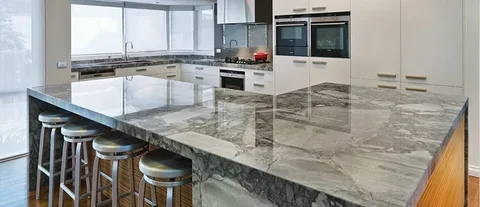
A well-designed kitchen combines practical functionality with materials that complement the overall character of a home. Among the available surface options, natural stone continues to attract attention for its distinctive appearance, durability, and design versatility.
For Australian homeowners planning renovations or new kitchen installations, stone benchtops offer an opportunity to create attractive, functional spaces. However, understanding the differences between stone varieties, maintenance requirements and installation considerations is essential before making a selection.
1. Distinctive Natural Patterns and Colours
One of the most appealing characteristics of natural stone is its individual appearance. Unlike uniformly manufactured surfaces, each slab features variations in colour, texture and mineral composition.
Different stone varieties offer distinctive visual qualities:
- Marble: Recognised for its elegant veining and sophisticated appearance, particularly in contemporary and traditional kitchens.
- Granite: Available in numerous colours and mineral patterns, providing a durable surface with considerable visual variety.
- Limestone: Offers softer, understated tones that complement neutral and naturally inspired interiors.
- Quartzite: Features distinctive natural patterns and can provide an alternative to marble where greater scratch resistance is preferred.
These variations allow homeowners to select materials that complement cabinetry, splashbacks and flooring while establishing a cohesive kitchen design.
2. Durability for Everyday Kitchen Activities
Kitchen surfaces experience frequent contact with cookware, utensils, food preparation equipment and cleaning products.
Many natural stones offer considerable durability when selected and maintained appropriately. Granite and quartzite, for example, generally provide good resistance to everyday scratching and abrasion.
However, durability differs between materials. Marble and limestone are more susceptible to scratching and etching, particularly when exposed to acidic substances.
Although certain stones tolerate heat relatively well, placing hot cookware directly onto the surface is not recommended. Trivets and protective mats help reduce the risk of thermal damage and discolouration.
Selecting a material according to household usage patterns is essential for maintaining long-term performance.
3. Manageable Cleaning and Maintenance Requirements
Natural stone surfaces can remain attractive for many years when appropriate maintenance practices are followed.
Routine cleaning generally involves wiping the surface with a soft cloth and a suitable pH-neutral cleaning solution.
Recommended maintenance practices include:
- Remove food spills promptly, particularly acidic liquids such as lemon juice and vinegar.
- Avoid abrasive cleaning pads that may damage polished finishes.
- Use chopping boards to minimise scratching.
- Apply an appropriate sealer when recommended for the particular stone.
- Follow material-specific care instructions to preserve the surface finish.
Not all stone varieties require identical maintenance. Some porous materials need periodic sealing, while others may require less frequent treatment.
Understanding these differences helps homeowners establish realistic cleaning routines.
4. Potential to Enhance Property Appeal
Kitchen presentation can influence how prospective buyers perceive a property’s overall quality and condition.
Well-maintained natural stone surfaces may contribute to a premium appearance, particularly when combined with functional layouts, coordinated cabinetry and appropriate lighting.
Neutral colours and timeless finishes can also complement changing interior design preferences.
However, installing premium materials does not automatically guarantee an increase in property value. The potential benefit depends on factors such as installation quality, property condition, local market expectations and the overall renovation budget.
For homeowners, the primary advantage should be a combination of everyday functionality and lasting visual appeal.
5. Long-Term Material and Environmental Considerations
Material longevity is an important factor when assessing the environmental impact of kitchen renovations.
Durable natural stone may remain functional for decades, potentially reducing the need for frequent replacement.
Nevertheless, natural stone extraction, processing and transportation consume resources and energy. Consequently, natural materials should not automatically be considered environmentally preferable.
Homeowners seeking more responsible material choices can consider:
- Selecting durable surfaces suited to long-term household requirements.
- Investigating material origin and transportation distances.
- Exploring reclaimed or reusable stone where suitable.
- Maintaining existing surfaces rather than replacing them unnecessarily.
- Choosing experienced installers who minimise material wastage.
A balanced assessment of durability, sourcing and maintenance provides a more meaningful basis for evaluating sustainability.
6. Design Flexibility Across Kitchen Styles
The versatility of stone benchtops allows them to complement numerous kitchen layouts and interior styles.
Light-coloured marble or quartzite can enhance bright, minimalist spaces, while darker granite may create contrast against pale cabinetry.
Natural stone can also be incorporated into kitchen islands, breakfast bars and integrated preparation areas.
Edge profiles, surface finishes and slab thickness further influence the final appearance. Polished finishes create a reflective effect, while honed surfaces provide a softer, more understated presentation.
Careful coordination between surface materials and surrounding finishes helps establish a balanced kitchen environment.
Frequently Asked Questions
How Often Should Natural Stone Be Sealed?
Sealing requirements depend on the stone’s porosity, finish and usage. Follow the specific recommendations provided for the selected material.
Can Hot Cookware Be Placed Directly on Natural Stone?
Using trivets is recommended, even for heat-resistant stone, to minimise the possibility of thermal damage or surface discolouration.
Are Natural Stone Surfaces Susceptible to Staining?
Some varieties, particularly marble and limestone, are more porous and vulnerable to staining. Prompt spill removal and appropriate sealing can reduce this risk.
Is Natural Stone Suitable for Small Kitchens?
Yes. Lighter colours, subtle patterns and carefully selected finishes can help smaller kitchens appear brighter and more spacious.
Conclusion
Selecting the right kitchen surface involves balancing appearance, durability, maintenance and long-term practicality. Natural stone offers distinctive design possibilities, although individual materials differ considerably in performance and care requirements.
With appropriate selection, professional installation and regular maintenance, stone benchtops can provide a lasting combination of visual appeal and everyday functionality in Australian homes.