Author: dharm_anki

Double Glazed Sliding Windows: Is Your Home Ready for an Upgrade?

Thinking about replacing tired windows but not sure which style to pick? Many Australian homeowners are turning to double glazed sliding windows because they pair smooth everyday operation with serious insulation. Whether you are renovating a family home or refreshing a rental, here is what makes this style worth a closer look. We have pulled together the key points so you can make a confident decision.

Why Sliding Styles Suit Australian Homes

Sliding windows glide sideways along a track, so they never swing into your garden, balcony or walkway. That makes them handy for patios, laundries and compact rooms where space matters. They are also easy to open for a cooling cross-breeze, which is a real bonus during warm evenings. They also suit modern, clean-lined designs, with slim sightlines that let in plenty of natural light and frame your outdoor views nicely. In ground-floor rooms, wide sliders can make a space feel larger and brighter without taking up extra floor area.

Performance Benefits You Will Notice

Two panes of glass with a sealed gap between them reduce heat transfer, so indoor temperatures stay more stable. You will often hear less traffic and neighbourhood noise, and cold spots near the glass become far less noticeable. Quality frames and seals keep draughts and dust out, helping rooms feel calmer and cleaner. Over a full year, that steadier indoor climate can mean your heater and air conditioner switch on less often, which is good news for both comfort and running costs.

Low Maintenance and Long Life

UPVC frames do not rust, rot or need repainting, which is a relief in coastal conditions. A quick wipe of the frame and a regular clean of the tracks is usually all that is required. Tracks stay smooth when debris is cleared, and a little silicone-free lubricant keeps the rollers moving quietly for years. Because the frames are sturdy and colour-stable, they keep their neat appearance even after years of strong Australian sun and sea air.

Questions to Ask Before You Buy

Before signing off, ask about glass specifications, energy ratings and warranty terms. Check that the locks are robust and that flyscreens are included. Confirm how the installer will measure and seal each opening, because a tidy installation protects both performance and appearance. Request a written quote so you can compare options fairly. It also helps to view a display model so you can feel how smoothly the sash moves and how solid the locking system is.

Wrapping Up

Easy operation, better comfort and low upkeep make a strong combination. If you want windows that look neat and work hard every day, double glazed sliding windows are well worth considering. Chat with a trusted local installer, compare your options and choose a style that fits your home beautifully. Small upgrades like these often make the biggest difference to daily life.

Can People With Diabetes Eat Rice Every Day? A Doctor’s Guide

For millions of families in South India, a meal without rice feels incomplete. Yet when someone is diagnosed with diabetes, rice is often the first food they are told to give up. This creates a real problem: strict bans are hard to follow, they cause stress, and many people quit the diet within weeks. The better question is not whether rice is allowed, but how much, which kind, and with what. A diabetologist in Kothanur can help build a plan that keeps rice on the plate without letting blood sugar run out of control.

Why Rice Raises Blood Sugar

Rice is mostly starch, which the body breaks down into glucose. White rice has a moderately high glycemic index, meaning it can raise blood glucose quickly, especially when eaten in large portions on its own. In people with diabetes, insulin either isn’t produced in sufficient quantity or doesn’t work efficiently, so that glucose stays in the blood longer. Over months and years, repeated spikes contribute to complications involving the eyes, kidneys, nerves and heart.

The key point is that the glucose load depends on three things: the portion size, the type of rice, and what accompanies it. All three can be adjusted.

The Short Answer: Yes, With Structure

Most people with diabetes can include rice daily if portions are controlled and meals are balanced. A common starting point is about half to three-quarters of a cup of cooked rice per meal, but the right amount depends on your HbA1c, medication, body weight, activity level and other health conditions. That is why individual assessment matters more than generic charts.

How to Make Rice Work for You

Use the plate method. Fill half the plate with non-starchy vegetables, a quarter with protein such as dal, eggs, fish or paneer, and a quarter with rice. Fibre and protein slow glucose absorption, which flattens the post-meal spike.

Choose the variety wisely. Parboiled, brown and red rice generally digest more slowly than polished white rice, though differences vary by brand and processing. Brown rice is not a free pass; portion size still decides the outcome.

Cook and cool. When cooked rice is cooled and then reheated, part of its starch turns into resistant starch, which behaves more like fibre. This can modestly reduce the glucose rise.

Pair, don’t isolate. Rice eaten with sambar, vegetables and curd affects blood sugar differently than rice eaten alone or with a sweet curry.

Real-Life Situations and What Works

Working professionals often eat large rice lunches followed by long sitting hours. Smaller portions, added vegetables and a 10-minute walk after eating make a measurable difference.

Older adults may have reduced appetite and kidney concerns. Their plans focus on steady energy and avoiding both high and low sugars, particularly if they take insulin or sulfonylureas.

People on medication need rice portions matched to their treatment. Eating very little rice while on certain drugs can cause hypoglycemia, so dietary changes should be coordinated with the prescribing doctor.

Women with gestational diabetes usually need tighter carbohydrate control and frequent monitoring, with a plan adjusted trimester by trimester.

Families cooking one meal for everyone benefit when the whole household shifts to balanced plates, which avoids the isolation and slip-ups that come with a separate “diabetic diet.”

The Benefits of a Guided Approach

A personalised rice plan improves adherence, because people are far more likely to follow a diet that respects their food culture. It reduces glucose swings, supports weight management, and can lower the need for medication escalation over time. It also removes the guilt that often surrounds food choices.

What to Consider When Choosing Your Plan

  • Monitor your response. Check blood glucose about two hours after a rice meal. Your own readings are more reliable than any food chart.
  • Track HbA1c every three months to see whether your overall pattern is working.
  • Look at the whole diet. Snacks, sweets, sugary drinks and late-night eating often matter as much as rice.
  • Stay active. Walking and strength exercise improve insulin sensitivity and help the body handle carbohydrates.
  • Seek specialist guidance. If your sugars remain high despite dietary changes, or you have kidney, heart or pregnancy-related concerns, a diabetologist in Kothanur can tailor advice to your medical profile rather than relying on general rules.

Conclusion

Rice does not have to be eliminated to manage diabetes well. Daily consumption can be safe when portions are measured, varieties are chosen thoughtfully, meals are balanced with fibre and protein, and your blood sugar response is monitored. The most sustainable diabetes plan is one that fits your lifestyle and culture. If you are unsure how much rice is right for you, consult a qualified diabetologist in Kothanur for a personalised assessment and a practical, doctor-guided meal plan.

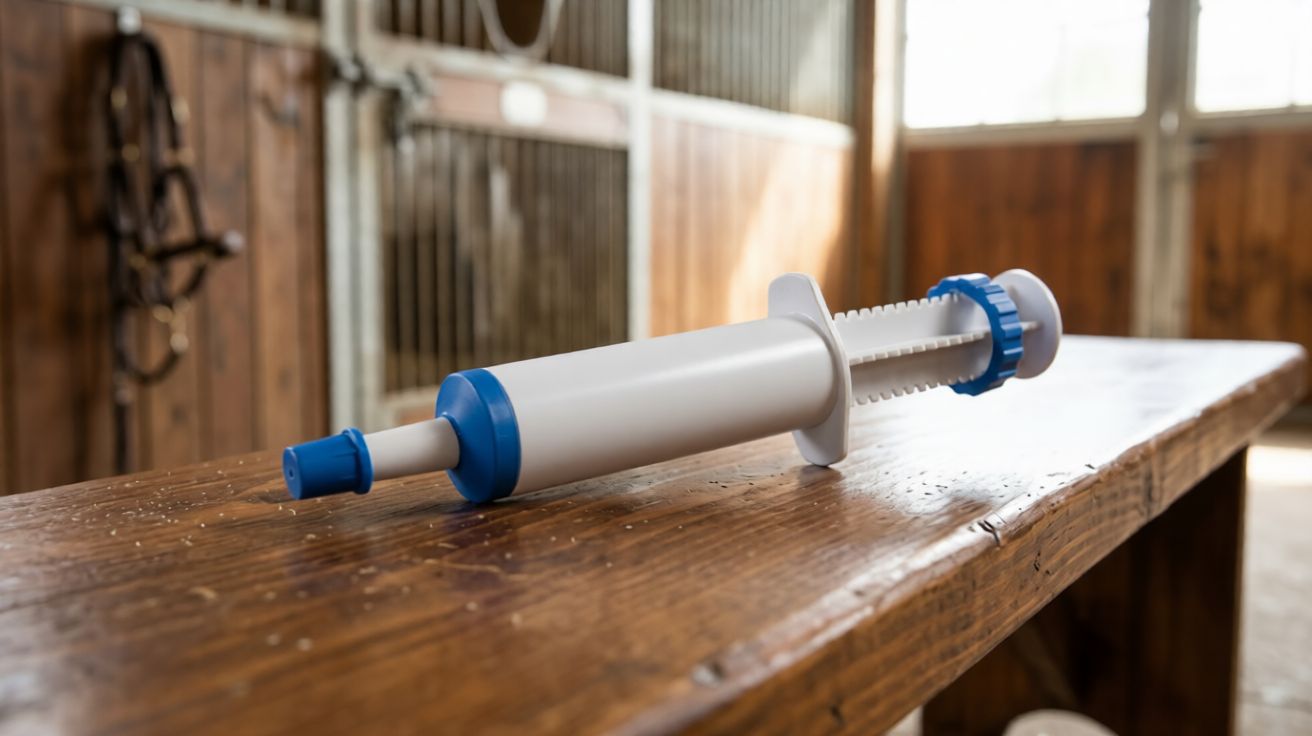
horse worming paste

How Do You Choose The Right Horse Worming Paste For Your Horse?

Maintaining a horse’s digestive health is an important part of responsible horse care. Internal parasites can affect a horse’s condition, digestion, growth, and overall wellbeing if they are not managed properly. A suitable parasite control plan, combined with regular veterinary advice, can help reduce these risks and support long-term health.

Choosing horse worming paste requires an understanding of the parasites that affect horses, the active ingredients in different products, and the horse’s individual needs. Rather than following the same schedule for every animal, owners should consider veterinary recommendations, local parasite risks, and appropriate testing when planning parasite control.

Why Is Worming Important for Horses?

Horses can be exposed to internal parasites through contaminated pasture, feed, water, and contact with infected manure. Depending on the parasite involved, an infestation may interfere with digestion, affect body condition, or contribute to more serious health problems.

Common equine parasites include small strongyles, large strongyles, roundworms, tapeworms, and pinworms. The risks vary according to the horse’s age, environment, grazing habits, and previous parasite exposure.

Signs of a possible parasite problem can include unexplained weight loss, poor coat condition, diarrhoea, reduced performance, or a pot-bellied appearance in young horses. However, these symptoms can also indicate other conditions, and some infected horses show no obvious signs. Veterinary assessment and faecal testing can help identify potential problems.

What Should You Consider When Choosing a Worming Paste?

Selecting a suitable product involves more than choosing a familiar brand. Different treatments target different parasites, and no single product is necessarily appropriate for every horse or situation.

Identify the Target Parasites

Before selecting a treatment, consider which parasites need to be controlled. Some products target particular roundworms, while others also cover tapeworms or other parasites, depending on their active ingredients.

A veterinarian can recommend suitable treatment based on faecal egg counts, the horse’s history, and local parasite risks. This approach helps avoid unnecessary treatments and supports more effective parasite management.

Check the Active Ingredients

The active ingredient determines which parasites a product targets. Common equine anthelmintic ingredients include ivermectin, moxidectin, pyrantel, and fenbendazole. Their coverage, restrictions, and suitability differ.

Always read the product label carefully and confirm that the treatment is appropriate for the horse’s age, weight, and health status. Do not combine products or repeat doses without suitable professional guidance.

Consider the Horse’s Age and Health

Foals, young horses, pregnant mares, older animals, and horses with existing health concerns may require different considerations. Young horses, for example, can face different parasite risks from mature animals.

A veterinarian can help determine whether a particular product is suitable and whether additional precautions are necessary.

Calculate the Correct Dose

Accurate dosing is essential for effective parasite control and animal safety. Underestimating a horse’s weight may result in an insufficient dose, while incorrect administration can increase the risk of adverse effects.

Use a suitable weight tape or another reliable weighing method, follow the manufacturer’s instructions, and ensure the dosing device is set correctly. If the horse’s weight or the appropriate dose is uncertain, seek professional advice before administering treatment.

How Often Should Horses Be Wormed?

There is no single worming schedule that suits every horse. Traditional routine treatment at fixed intervals may contribute to anthelmintic resistance, where parasites become less susceptible to medicines over time.

Modern parasite management often uses faecal egg counts, veterinary assessments, and targeted treatment decisions. A faecal egg count measures parasite eggs in a manure sample and helps identify horses shedding larger numbers of eggs.

However, testing does not detect every parasite equally well. For example, tapeworms and certain immature parasite stages may require additional assessment or a different testing approach.

The appropriate frequency of testing and treatment depends on the horse’s age, grazing conditions, previous results, and local veterinary recommendations.

What Is Anthelmintic Resistance, and Why Does It Matter?

Anthelmintic resistance occurs when parasites survive treatments that previously controlled them effectively. Repeated unnecessary treatment and incorrect dosing can contribute to this problem.

Resistance can make future parasite control more difficult and may reduce the effectiveness of certain medicines. To help manage this risk, horse owners should avoid automatically treating every animal on the same timetable.

Veterinary-guided testing, accurate dosing, appropriate product selection, and monitoring treatment effectiveness can help preserve the usefulness of available medicines.

How Can Pasture Management Reduce Parasite Risks?

Worming is only one part of a complete parasite control programme. Good pasture management can reduce exposure to infective parasite stages and support healthier grazing conditions.

Useful practices include:

  • Removing manure from paddocks regularly where practical.
  • Avoiding excessive stocking densities that increase pasture contamination.
  • Rotating grazing areas when appropriate for local conditions.
  • Keeping feed and water containers clean.
  • Quarantining new arrivals and assessing their parasite status before introducing them to established groups.
  • Monitoring body condition and seeking veterinary advice when changes occur.

Pasture management practices should be adapted to the property, climate, grazing system, and parasite risks. They work alongside appropriate testing and treatment rather than replacing them.

What Mistakes Should Horse Owners Avoid?

Several common mistakes can make parasite control less effective. Choosing a product without checking its parasite coverage may leave certain infections untreated. Guessing a horse’s weight can also result in inaccurate dosing.

Other problems include treating too frequently without a clear reason, ignoring veterinary testing recommendations, and assuming that the absence of symptoms means the horse has no parasites.

Owners should also avoid using medicines intended for other animals unless a veterinarian specifically advises their use. Follow all label instructions, storage requirements, and relevant withholding periods for horses intended for food production.

Conclusion

Effective parasite control involves understanding the horse’s individual needs, identifying relevant parasite risks, selecting suitable treatments, and maintaining good pasture hygiene. Choosing horse worming paste should be based on the product’s active ingredients, intended coverage, dosing instructions, and veterinary guidance rather than a fixed routine alone.

Regular monitoring and targeted treatment can help protect equine health while reducing the risk of anthelmintic resistance. By working with a veterinarian and following a practical parasite management plan, horse owners can make informed decisions that support their animals’ long-term wellbeing.


How To Choose An Ultra Wet Grinder For Consistent Homemade Batter

Make Traditional Preparation Easier

Preparing batter at home gives you control over ingredients, freshness and texture. For dishes such as idli, dosa and vada, grinding is an important step: ingredients need to be processed evenly without creating an overly coarse mixture. An ultra wet grinder can be a useful appliance for households that regularly prepare these foods and want dedicated equipment for wet grinding. Before choosing a model, consider how often you cook, the quantities you prepare and the space available in your kitchen.

What To Consider Before Buying

Capacity is one of the first details to check. A smaller household may prefer a compact model, while larger families or frequent batch cooks may benefit from a greater capacity. Think about the amount of batter you usually make and whether the appliance will be comfortable to store when not in use. Motor performance, grinding mechanism and overall construction are also worth reviewing through the product specifications.

Texture, Ease Of Use And Cleaning

Consistent texture depends on the ingredients, soaking time, quantity and grinding process, as well as the appliance itself. Follow the recipe and manufacturer’s instructions rather than overfilling the unit or expecting every ingredient to grind in the same way. Removable parts and accessible surfaces can make post-use cleaning simpler. Check the care instructions before purchasing so that the routine suits the time you can set aside for maintenance.

Match The Appliance To Your Recipes

Think about the dishes you make most often. Idli and dosa batters have different texture preferences, and other recipes may require different ingredient ratios or grinding times. A dedicated grinder can help make recurring preparation more convenient, but the right choice depends on your household’s habits and the model’s stated capabilities. Compare the details carefully instead of choosing on appearance alone.

Explore The Available Range

A considered purchase starts with a clear idea of your needs. Review capacity, dimensions, included accessories and care guidance, then compare those details with your cooking routine. If you regularly make batter at home, an ultra wet grinder may be a practical addition to your kitchen equipment. Explore the ultra wet grinder range to review available options and identify a model that fits your preparation needs.

Planning A Practical Grinding Routine

Before settling on a model, consider the full preparation process: soaking ingredients, loading the grinder, checking the texture and cleaning the unit afterwards. These steps affect how convenient the appliance feels in everyday use. If several people cook in the household, make sure the controls and handling instructions are clear to everyone who may use it. A little planning helps you compare models on real needs rather than appearance alone.

sydney electric scooter rental

Make Your Next Sydney Outing More Convenient With Scooter Hire

An outing around Sydney can be more enjoyable when you have a flexible way to get from one place to another. Whether you are planning a relaxed day out, meeting friends or exploring a new area, choosing the right transport can make your plans easier to manage. Hiring a scooter may be an option worth considering, depending on where you intend to ride.

Enjoy More Flexibility During Your Outing

Planning a day around several destinations can involve a fair amount of walking and organising transport. A rental option gives you another way to approach your itinerary, particularly when you want to keep your plans flexible. Before booking a sydney electric scooter rental, consider your intended route, rental conditions and whether riding is permitted in the areas you plan to visit.

Knowing these details beforehand can help you make a more informed decision and avoid unnecessary complications during your outing.

Choose An Option That Suits Your Plans

Every outing is different, so it helps to consider what you need before making a booking. Check the rental duration, pricing, collection arrangements and any requirements for using the scooter. If you are planning to spend several hours out, confirm the battery range and charging arrangements so your transport suits the length of your trip.

It is also important to check the current riding rules. Electric scooter laws differ between locations, and public road or footpath riding is restricted in many parts of New South Wales. Confirm where your chosen scooter can legally be used before setting off.

Make Safety Part Of Your Preparation

A convenient journey should also be a safe one. Read the provider’s instructions, understand the scooter’s controls and check the condition of the equipment before riding. Wear appropriate protective gear and remain aware of pedestrians and other road users wherever riding is permitted.

Planning your route in advance can also help you identify suitable riding areas and avoid locations where scooters are not allowed.

Plan A More Enjoyable Sydney Experience

A little preparation can make a day out feel less rushed. By comparing rental options, checking the conditions and understanding local riding requirements, you can choose transport that fits your schedule and activities. The right choice will depend on your destination, the distance you intend to cover and the type of experience you want.

Before your next Sydney outing, explore available scooter hire options and review the details carefully. With a suitable plan and a focus on safety, you can organise a more convenient day around the city.

scrap metal recycling bankstown

How Can Scrap Metal Recycling In Bankstown Help Reduce Waste?

Scrap metal recycling in Bankstown is an effective way to manage unwanted metal materials while supporting environmental sustainability. Old appliances, aluminium sheets, copper wires, steel parts and other metal items can often be recycled instead of being sent to landfill. Recycling helps recover valuable materials, conserve natural resources and reduce unnecessary waste. Households, tradespeople and businesses can all benefit from adopting responsible metal disposal practices.

What Types of Scrap Metal Can Be Recycled?

Many everyday items contain recyclable metals. Common examples include copper pipes, aluminium frames, steel components, brass fittings, metal roofing sheets, machinery parts and selected electrical materials. Old tools, damaged equipment and metal offcuts from construction or renovation projects may also be suitable for recycling.

Metals are generally classified as ferrous or non-ferrous. Ferrous metals contain iron and include many types of steel, while non-ferrous metals include copper, aluminium, brass and lead. Separating these materials can make sorting and processing more efficient.

Before transporting scrap, check which materials the recycling facility accepts and whether items need to be separated or prepared in advance.

Why Is Scrap Metal Recycling Important?

Metal recycling helps reduce the demand for newly extracted raw materials. Mining and metal production require energy, water and other resources, while recovering existing metals can help conserve these resources. Recycling also reduces the amount of discarded material that may otherwise occupy valuable landfill space.

For commercial operations, recycling provides a practical solution for managing leftover materials from building projects, manufacturing activities, plumbing work and mechanical repairs. Establishing a regular recycling process can improve waste organisation and support more sustainable business practices.

How Does the Scrap Metal Recycling Process Work?

The recycling process typically begins with the collection and sorting of unwanted metal. Materials are separated according to their type, quality and suitability for processing. Recyclers may use specialised equipment to identify and classify different metals.

Once sorted, the scrap may be cleaned, cut, crushed or shredded, depending on its composition and intended use. The prepared metal is then processed and melted down where appropriate. Recovered material can be used to manufacture new products, including building components, machinery parts and various industrial materials.

Following the correct procedures helps ensure that recyclable metals are handled efficiently and safely.

How Can Businesses Benefit from Recycling Scrap Metal?

Construction companies, workshops, factories and other commercial operations can generate significant quantities of scrap metal. Instead of allowing these materials to accumulate, businesses can organise regular collection and recycling arrangements.

A dedicated storage area helps keep metal offcuts separate from general waste. Clear sorting procedures can also make it easier for employees to identify recyclable materials during daily operations.

Depending on the metal type, quantity, condition and current market prices, some recyclable materials may have financial value. Businesses should ask recycling providers about accepted grades, weighing methods and payment arrangements before delivering their scrap.

How Should Scrap Metal Be Prepared for Recycling?

Preparing metal correctly can simplify transportation and processing. Separate copper, aluminium, brass and steel where practical, and remove non-metal attachments when it is safe to do so. Keep recyclable materials away from general rubbish to reduce contamination.

Heavy objects should be moved using suitable equipment, and sharp edges should be handled carefully. Items containing oils, chemicals, batteries or other potentially hazardous components may require specialised treatment before recycling.

Electrical equipment, gas cylinders and sealed containers should not be dismantled or cut open without appropriate professional assessment. Always follow the recycling facility’s safety instructions.

How to Choose a Reliable Local Recycling Facility

When comparing recycling providers, check their accepted materials, operating procedures, collection services and any applicable charges. Some facilities may handle household quantities, while others specialise in commercial scrap or larger industrial loads.

Ask whether the provider offers collection for bulky items and whether materials must be sorted before delivery. Clear information about weighing procedures, material acceptance and payment conditions can help avoid confusion.

Choosing a suitable local service makes it easier to maintain an organised recycling routine and manage unwanted metal responsibly.

Conclusion

Scrap metal recycling in Bankstown offers households and businesses a practical way to reduce waste, recover useful materials and support resource conservation. By separating metals, preparing items safely and selecting an appropriate recycling provider, individuals and businesses can improve waste management while helping keep valuable materials in circulation. Regular recycling also encourages more responsible use of resources across the community.

Box Trailers for Sale in Penrith: A Guide to Choosing the Right Trailer

Box trailers are practical for transporting tools, equipment, furniture, gardening supplies, and other everyday loads. Whether you need a trailer for household projects, landscaping, business deliveries, or weekend tasks, choosing the right size and configuration can make transporting goods easier. If you are looking for box trailers for sale in Penrith, understanding trailer capacity, construction quality, storage requirements, and towing compatibility can help you make a suitable choice.

Understanding Different Types of Box Trailers

Box trailers are available in a range of sizes and designs to suit different transportation requirements. Smaller models can be useful for household tasks, garden waste, and occasional trips, while larger trailers may be better suited to tradespeople and businesses transporting tools or equipment.

Single-axle trailers are often suitable for lighter loads, whereas tandem-axle models may accommodate heavier loads when their specifications allow. Buyers should consider the trailer’s dimensions, payload capacity, and intended purpose before selecting a model.

Key Features to Consider When Buying a Box Trailer

Durable Construction

A sturdy frame and quality materials are important for regular trailer use. Galvanised steel is a popular option because its protective coating helps resist corrosion. Check the chassis, welds, drawbar, floor, and side panels to assess the trailer’s overall construction.

Choosing a well-built trailer and maintaining it regularly can help support long-term performance.

Size and Load Capacity

Selecting the correct size helps ensure the trailer can accommodate your usual loads. A compact trailer may be suitable for garden supplies and small household items, while a larger model can provide additional room for equipment and bulky materials.

Always check the rated payload, aggregate trailer mass (ATM), and gross trailer mass (GTM). The total weight must remain within the trailer’s limits, and the towing vehicle must be suitable for the loaded combination.

Additional Practical Features

Depending on your requirements, useful features may include removable sides, a jockey wheel, tie-down points, a spare wheel, and a cage attachment. These additions can improve convenience when transporting different types of loads.

Consider which features you will use regularly rather than paying for unnecessary extras.

Finding Box Trailers for Sale in Penrith

When comparing box trailers for sale in Penrith, consider your typical workload, storage space, towing vehicle, and budget. Local trailer suppliers may offer different sizes and configurations, allowing buyers to compare models and find a suitable option.

Ask about warranty coverage, servicing, registration requirements, and the availability of replacement parts. Before purchasing a new or used trailer, inspect its condition and verify that it meets applicable NSW registration and identification requirements.

Trailer Maintenance and Road Safety

Regular maintenance helps keep your trailer in good condition. Check the tyres, lights, wheel bearings, coupling, safety chains, and brakes where fitted before travelling. Inspect the frame and floor for damage or corrosion, and ensure the load is distributed evenly and securely restrained.

Cleaning the trailer after use and following the manufacturer’s maintenance recommendations can help reduce wear and identify potential issues early.

Choosing the Right Trailer for Your Needs

A suitable box trailer can make everyday transportation easier, whether you are moving furniture, carrying garden waste, or transporting work equipment. Comparing construction quality, capacity, dimensions, and useful accessories can help you make a practical investment.

If you are searching for box trailers for sale in Penrith, take time to compare available models and confirm that your preferred trailer matches your load requirements and towing setup. A well-informed choice can provide convenience, versatility, and dependable service for years to come.

Full Length Mirror in Sydney for Practical and Balanced Interiors

A mirror becomes useful not simply because of its size, but because of where it sits, what it reflects and how comfortably it fits into the room. Natural light, surrounding furniture and available wall space can all change how the same mirror performs. When selecting a full length mirror in Sydney considering these practical details can help create a placement that works for everyday viewing while also contributing to a balanced interior.

Decide What the Mirror Needs to Do

Before considering frame styles or finishes, identify the mirror’s main purpose. A mirror used beside a wardrobe has a different role from one positioned primarily to reflect light into a living area.

Its purpose may include:

  • Checking complete outfits before leaving home
  • Supporting a bedroom or dressing area
  • Reflecting daylight into a darker part of the room
  • Creating a greater sense of depth in a compact space
  • Adding a vertical feature to an otherwise empty wall

Establishing the purpose first makes decisions about size and position much easier.

Match Mirror Proportions to the Wall

A full-length design needs enough vertical space, but height is only one part of the equation. Width and the amount of empty wall surrounding the frame can influence whether the mirror looks balanced or oversized.

On a narrow wall, a wide frame may make the area appear crowded. A larger open wall can usually accommodate greater proportions without the mirror dominating nearby furniture.

Consider nearby consoles, wardrobes, chairs and other decorative pieces as part of the overall composition rather than assessing the mirror separately.

Positioning Changes the Result

Different rooms place different demands on a mirror. Position should therefore follow the way each area is actually used.

Bedrooms and Dressing Areas

Placement close to wardrobes or clothing storage can make outfit checks more convenient. There should still be sufficient distance in front of the mirror to see a complete reflection comfortably.

Hallways

A vertical mirror can add visual depth to a hallway, particularly when the area feels narrow. It should not project unnecessarily into an important walking route.

Wardrobe Areas

Limited floor space may make wall-mounted designs particularly practical. Check that nearby wardrobe doors and drawers can open without interference.

Freestanding and Wall-Mounted Designs Behave Differently

Freestanding mirrors provide flexibility because they can often be repositioned as the room arrangement changes. However, they occupy some floor area and require an appropriate location where they can remain stable.

Wall-mounted mirrors preserve floor space and can create a cleaner visual arrangement. Their position is less flexible once installed, so viewing height and location need to be considered carefully beforehand.

Leaning designs can provide another visual approach, although their stability and suitability depend on the room and household.

Check What the Mirror Will Actually Reflect

Where a mirror faces can matter almost as much as where it stands. A well-positioned mirror may reflect a window, artwork or an open part of the room. Poor positioning can instead duplicate clutter or direct attention towards less attractive areas.

Look at the proposed position from several points around the room. Consider what will appear in the reflection during both daytime and evening conditions.

Artificial lighting deserves attention too. Strong lights directly opposite the glass may produce distracting glare rather than improving visibility.

Plan Safe Placement Before Finalising the Position

A mirror should remain stable during normal household activity. This becomes particularly important with larger pieces because their dimensions can make unsuitable positioning more noticeable and potentially less secure.

Before final placement, consider:

  • Regular walking routes through the room
  • Doors that open towards the mirror
  • Children or pets moving through the area
  • Suitable mounting methods for wall-mounted designs
  • Stability on the chosen floor surface

These checks should form part of placement planning rather than being considered after the room has been arranged.

Bringing the Room Together

The most suitable mirror is one that works with the room rather than simply filling an available wall. Choosing a full length mirror in Sydney involves balancing viewing requirements, proportions, surrounding furniture, reflections, lighting and safe positioning. Considering these elements together can help the mirror remain practical for everyday use while contributing naturally to the overall interior.

timber floor near glenwood

Thinking About Timber Flooring Near Glenwood? Start With These Tips

Choosing a new floor can change the way an entire room looks and feels. Timber flooring remains a popular option for homeowners who want a warm, natural appearance that can complement both traditional and contemporary interiors. If you are exploring timber flooring near Glenwood, a little planning can help you select a floor that suits your home, lifestyle and budget.

Think About The Look You Want

Timber flooring comes in a variety of colours, tones, textures and finishes. Lighter timber can create a brighter and more open feeling, while deeper tones can add warmth and character to a room.

Consider your existing furniture, wall colours and overall interior style before selecting a particular timber appearance. A floor should work with the rest of the space rather than compete with it.

Consider How The Room Is Used

The best flooring choice can depend on where it will be installed. A busy family living area may experience considerably more foot traffic than a quiet bedroom or study.

Think about children, pets, furniture movement and everyday activity when comparing flooring options. The expected use of each room can help you decide which timber type, finish and protective treatment may be appropriate.

Explore Different Timber Options

Not all timber flooring is the same. Solid timber, engineered timber and other timber based flooring products can offer different characteristics.

Solid timber is made from natural wood throughout, while engineered timber generally combines a real timber surface with layered construction underneath. Engineered options can be suitable for certain installations where dimensional stability is an important consideration.

Discuss the available options with a flooring professional to understand which product is appropriate for your property.

Do Not Overlook Installation

A quality flooring product still needs careful installation to achieve a good result. The existing surface may need to be assessed and prepared before the new floor is installed.

Subfloor condition, moisture levels, room dimensions and installation method can all influence the finished appearance. Taking care of these details can help reduce problems such as movement, gaps or an uneven finish.

Maintenance Matters Too

Timber flooring can be relatively straightforward to maintain when cared for correctly. Regular sweeping or vacuuming can help remove dirt and grit that may contribute to surface wear.

Spills should generally be dealt with promptly, while cleaning products should be suitable for the specific flooring and finish. Furniture pads and sensible precautions can also help protect high traffic areas from unnecessary scratches.

Choose Flooring With The Whole Home In Mind

It can be easy to focus only on colour or appearance when selecting a new floor. However, practical factors deserve equal attention. Consider how the flooring will connect with adjoining rooms, whether the finish complements your interior and how much maintenance you are prepared to undertake.

A professional flooring consultation can help you compare suitable products and understand what installation may involve before you commit.

Conclusion

Timber flooring can bring natural character and warmth to a home, but choosing the right option requires more than picking a colour you like. By considering room usage, timber type, installation requirements, maintenance and your existing interior, you can make a more informed decision. For homeowners around Glenwood, taking time to explore suitable timber flooring options can help create a finish that looks appealing and works well for everyday living.

How Vacuum Packaging Helps Protect Products and Extend Freshness

For businesses handling food and other sensitive products, vacuum packaging provides a practical way to improve protection, preserve product quality and support efficient storage. By removing much of the air from a package before sealing, this packaging method can help limit exposure to oxygen and external contaminants. From meat and seafood to cheese, coffee and other products, vacuum-sealed formats can offer a combination of protection, convenience and efficient product presentation.

1. Understanding Vacuum Packaging

Vacuum packaging involves placing a product inside a suitable packaging material, removing air from the package and creating a secure seal. The reduced-air environment can help protect the packaged product from certain external conditions.

The method is particularly useful for products that can deteriorate when exposed to oxygen or moisture. The packaging structure needs to be selected according to the product, storage conditions and required level of protection.

A strong seal is also essential because even small leaks can reduce the effectiveness of the package.

2. Supporting Product Freshness

Air exposure can contribute to oxidation and quality changes in various food products. Vacuum packaging reduces the amount of air surrounding the product, helping create a more controlled packaging environment.

For suitable products, this can help maintain freshness, aroma, colour and overall quality for longer periods when combined with appropriate storage conditions.

Vacuum packaging does not replace refrigeration, freezing or other required food-safety practices. Instead, it works as part of a broader system for handling and storing products correctly.

3. Protecting Products During Storage

Packaging needs to protect products throughout storage and transportation. Vacuum-sealed formats can create a compact package that helps limit movement inside the packaging and provides a barrier against external exposure.

For products such as meat, seafood and other food items, secure packaging can also help minimise contact with external contaminants after sealing.

The appropriate material should provide sufficient strength and barrier performance for the intended application, particularly when products are frozen, transported over long distances or exposed to handling.

4. Reducing Packaging Space

One practical advantage of vacuum packaging is its ability to create a compact package around the product. Removing excess air can reduce the overall volume of certain packaged products.

More compact packaging can support efficient storage by allowing products to occupy less space. It may also improve transportation efficiency when packages can be stacked or arranged more effectively.

The actual space savings depend on the product shape, packaging format and storage requirements.

5. Applications Across Different Industries

Vacuum packaging is widely associated with food products, particularly meat, poultry, seafood and cheese. However, the method can also be suitable for other products requiring protection from air, moisture or external contaminants.

Coffee, prepared foods and certain industrial components may also use specialised vacuum packaging formats.

Each application requires careful consideration of the product characteristics and the performance requirements of the packaging material.

6. Convenience for Handling and Storage

Modern packaging needs to provide convenience throughout the product lifecycle. Vacuum-sealed packages can create a neat and compact format that is relatively easy to store and organise.

Clear or partially transparent packaging can also allow product visibility where appropriate. Printed information, labels and other packaging features can provide details such as product specifications, storage instructions and handling requirements.

Resealing is not generally a feature of standard vacuum-sealed packs, so the package design should match the expected method of consumer use.

7. Choosing Suitable Materials

The effectiveness of vacuum packaging depends heavily on the packaging material. Different products may require different levels of oxygen, moisture, puncture and temperature resistance.

Packaging intended for frozen products may have different requirements from packaging designed for refrigerated or ambient applications. Seal strength is another important consideration, particularly for products with irregular shapes or sharp edges.

Selecting materials based on actual product and storage requirements can help achieve a suitable balance between protection, performance and cost.

Conclusion

Effective packaging can play an important role in maintaining product quality during storage, handling and transportation. By reducing air exposure and creating a secure sealed environment, vacuum packaging can support freshness, protection and more efficient storage for a wide range of suitable products. When the correct materials, sealing methods and storage conditions are combined, vacuum-sealed packaging can provide a practical solution for protecting products throughout the supply chain.