Effective lubrication is essential for keeping machinery, vehicles, tools, and industrial equipment operating smoothly. Moving components experience friction during regular operation, and suitable grease can help reduce wear, heat, and resistance. A convenient storage and dispensing solution can make lubrication tasks easier while helping maintain cleaner and more organised work areas.
What Is a Grease Cartridge?
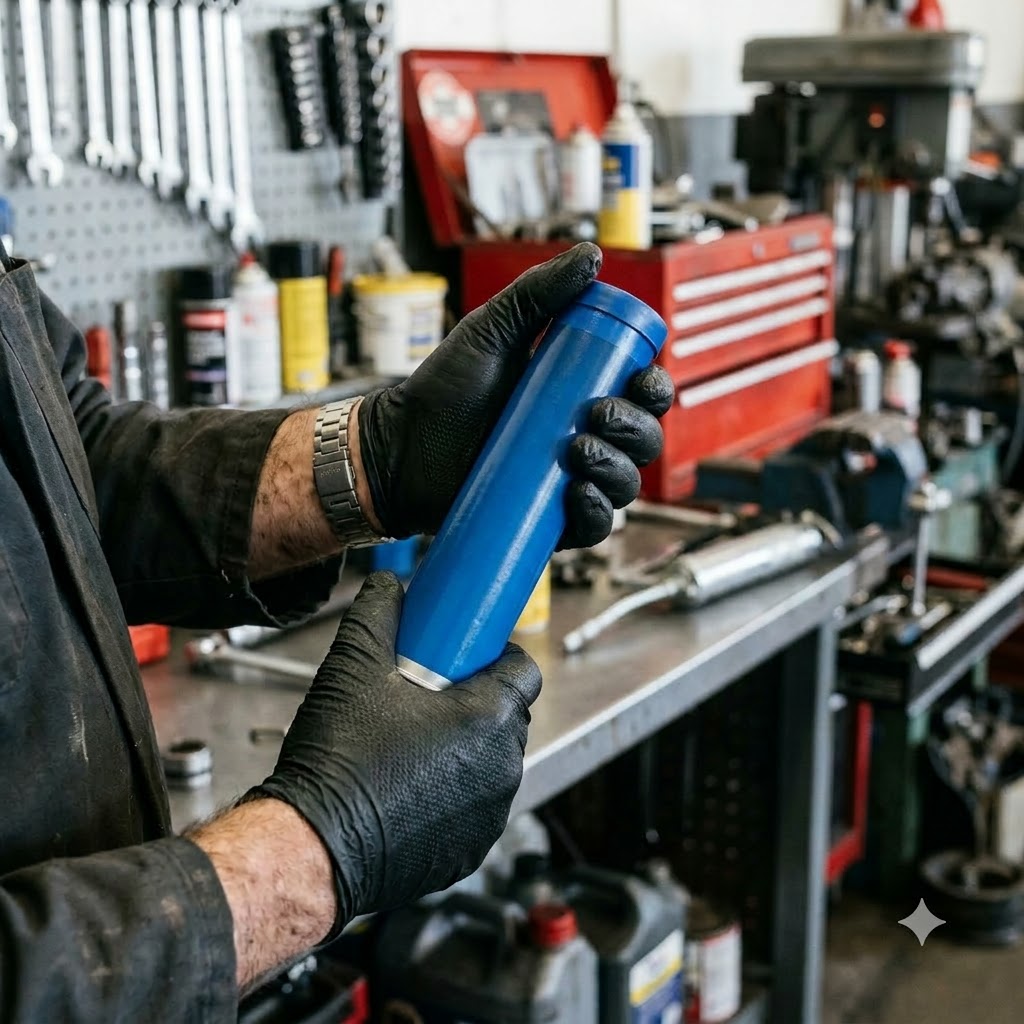
A grease cartridge is a pre-filled container designed to hold and dispense lubricating grease through compatible grease guns and dispensing equipment. It provides a practical way to store grease and transfer it to lubrication points without handling loose grease directly.
The cartridge format can also make it easier to identify the lubricant being used. Different equipment may require different grease formulations, so clear labelling and proper storage are important when working with multiple lubrication products.
Why Is Proper Lubrication Important?
Lubrication helps reduce direct contact between moving surfaces. When components operate without sufficient lubrication, friction can increase and contribute to heat generation, surface damage, and premature wear.
Regular lubrication can support the performance of bearings, joints, gears, hinges, and other moving components. The correct grease should always be selected according to the equipment manufacturer’s specifications and operating conditions.
Using an unsuitable lubricant may affect component performance, so product compatibility should be checked before application.
What Are the Benefits of Using Cartridges?
One of the main benefits of cartridge-based lubrication is convenience. A pre-filled container can reduce the need to scoop or manually transfer grease into a dispensing tool.
Cartridges can also help minimise spills and unnecessary handling. This may be particularly useful in workshops, maintenance areas, garages, manufacturing facilities, and other environments where regular lubrication is required.
Another advantage is portion control. A cartridge provides a defined quantity of lubricant, which can make stock management and replacement planning more straightforward.
How Should a Grease Cartridge Be Stored?
Proper storage can help maintain lubricant quality. Cartridges should generally be kept in a clean, dry location away from excessive heat, moisture, dust, and direct sunlight.
Packaging should remain intact until the lubricant is ready for use. If a cartridge becomes damaged, contaminated, or incorrectly labelled, it should be assessed before being connected to lubrication equipment.
Following the manufacturer’s storage recommendations is important because different grease formulations can have specific handling requirements.
How Do You Choose the Right Grease?
Selecting the correct grease depends on the equipment and its operating conditions. Important considerations can include temperature range, load, speed, water exposure, pressure, and the materials used in the components.
Grease consistency is another important factor. Lubricants are available in different grades, and the appropriate grade depends on the application. Equipment manuals and manufacturer recommendations should be checked before selecting a product.
It is also important to avoid mixing different grease types unless compatibility has been confirmed. Mixing incompatible products can alter lubrication performance and may affect component protection.
How Can Lubrication Maintenance Be Improved?
A consistent maintenance schedule can help ensure lubrication points receive attention at suitable intervals. Maintenance teams can record lubrication dates, products used, equipment serviced, and any unusual operating conditions.
Before applying grease, the lubrication point should be inspected and cleaned where appropriate. Keeping dirt and other contaminants away from the application area can help protect internal components.
Using suitable dispensing equipment and applying the recommended quantity can also help prevent over-lubrication. Too much grease can create heat, pressure, or leakage in some applications.
What Should You Consider Before Using a Cartridge?
Compatibility between the cartridge, grease gun, and equipment should be checked before use. The cartridge should also contain the correct lubricant for the intended application.
Workers should follow equipment instructions and safe handling procedures during lubrication. Personal protective equipment may be appropriate depending on the work environment and lubricant being handled.
Regular inspection can also help identify worn seals, damaged fittings, leaks, or other mechanical issues that may require attention beyond lubrication.
Conclusion
Efficient lubrication supports the smooth operation and maintenance of many types of machinery and equipment. A grease cartridge offers a convenient method for storing and dispensing lubricant while reducing direct handling and helping organise maintenance routines. By selecting compatible grease, storing cartridges correctly, following manufacturer recommendations, and maintaining a consistent lubrication schedule, equipment operators can support reliable maintenance practices and protect important moving components.