
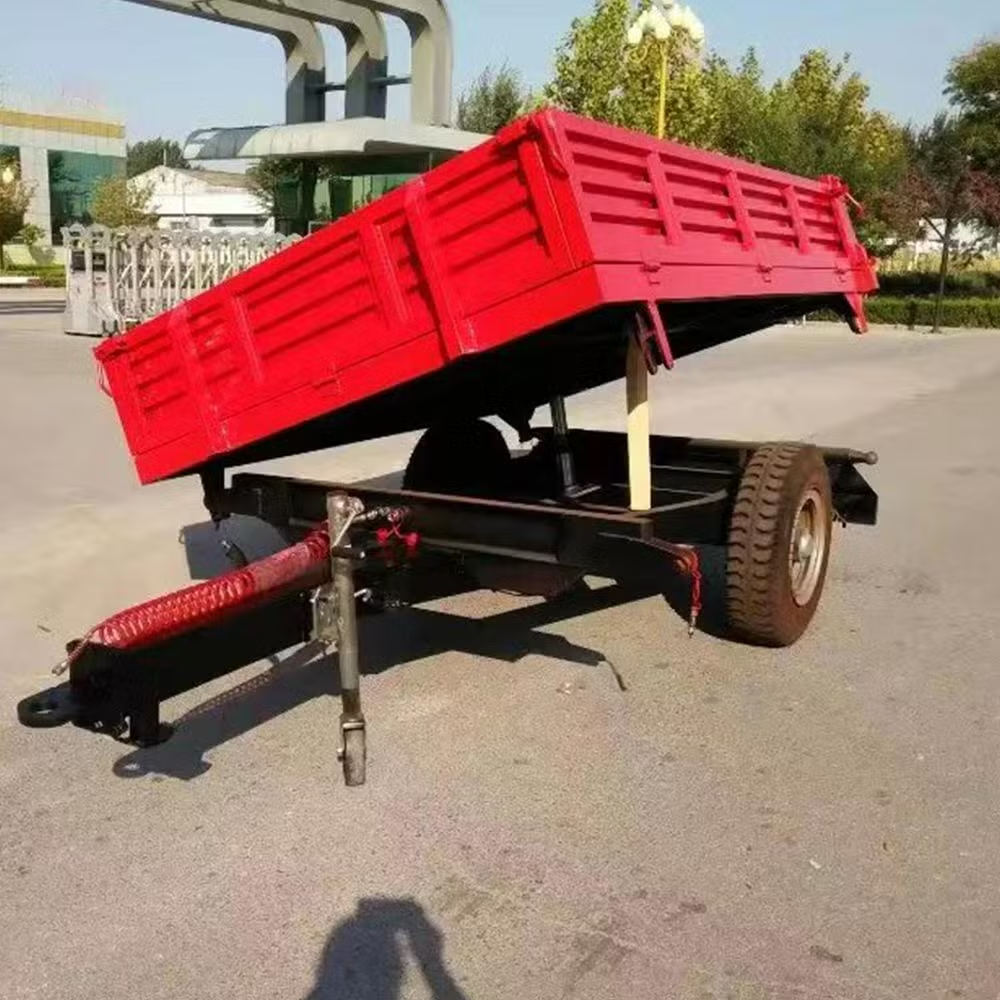
Moving soil, grain, mulch, feed, gravel, and other loose materials around a property can become time consuming when the equipment is not suited to the job. An agricultural tipper trailer can provide a practical solution for farms, rural properties, landscaping operations, and agricultural businesses that regularly handle bulk materials.
Built For Practical Farm Work
Agricultural trailers need to cope with demanding environments, frequent loading, and uneven terrain. A suitable tipper trailer can make it easier to transport materials between different areas of a property while reducing the amount of manual handling required.
The ideal trailer will depend on the type of work, towing vehicle, load requirements, and conditions in which it will be used.
Make Loading And Unloading More Efficient
One of the key advantages of a tipping design is the ability to unload loose materials more efficiently. Instead of manually removing each load, the tipping mechanism can help discharge material at the desired location.
This can be particularly useful when moving:
- Soil and sand
- Grain and feed
- Mulch
- Gravel
- Compost
- Agricultural waste
- Landscaping materials
Choosing the right body configuration can make a noticeable difference to daily productivity.
Match The Trailer To Your Load
Not every agricultural operation requires the same trailer. Consider the typical material being transported, average load size, towing capacity, trailer dimensions, and operating environment before making a selection.
Payload capacity is particularly important. Regularly exceeding the manufacturer’s specified limits can affect handling, braking, tyres, suspension, and overall trailer performance.
Durability Matters On Rural Properties
Farm environments can expose trailers to dust, moisture, mud, uneven surfaces, and repeated heavy use. Construction quality and suitable materials can therefore play an important role in long term reliability.
Look at the trailer’s chassis, body construction, suspension, axles, braking system, tipping components, and finish when comparing different models.
Consider Your Towing Setup
The towing vehicle must be suitable for the trailer and its intended load. Before purchasing or operating a trailer, check the relevant towing, weight, braking, registration, and road use requirements that apply in your location.
A trailer should also be loaded and secured correctly to maintain stability during transport.
Choose Features That Suit Your Work
Practical features can make an agricultural trailer easier to operate and maintain. Depending on the model, you may want to consider hydraulic tipping systems, removable sides, tailgate configurations, suspension options, lighting, braking systems, and other accessories.
Think about how the trailer will be used regularly rather than selecting features that may have little practical benefit.
Maintenance Helps Protect Your Investment
Regular inspections can help identify wear or damage before it affects the trailer’s operation. Pay attention to tyres, brakes, lights, suspension components, hydraulic systems, coupling equipment, and structural areas.
Following the manufacturer’s maintenance recommendations can also help keep the trailer in suitable working condition.
Conclusion
An agricultural tipper trailer can be a valuable addition for farms and rural businesses that regularly transport and unload bulk materials. By considering payload capacity, construction, towing compatibility, tipping functionality, safety requirements, and maintenance needs, you can choose a trailer suited to your everyday operations. The right equipment can make material handling more efficient while providing a practical solution for demanding agricultural environments.