Category Archive : Health

A Practical Guide to Lymphoedema

Lymphoedema is a long-term condition that occurs when the lymphatic system is unable to effectively drain fluid, resulting in swelling in certain areas of the body. A reliable guide to lymphoedema can help individuals better understand the condition, recognise symptoms early, and learn strategies to manage it effectively.

While lymphoedema most commonly affects the arms and legs, it can also occur in other parts of the body depending on the underlying cause.

What Causes Lymphoedema?

Lymphoedema develops when lymphatic fluid builds up in the tissues due to damage or disruption within the lymphatic system.

Common causes may include:

  • Cancer treatments that affect the lymphatic system, such as lymph node surgery or radiation treatment.
  • Injury or trauma affecting lymphatic vessels
  • Infection that damages the lymphatic system
  • Congenital or inherited lymphatic conditions
  • Certain medical conditions affecting fluid drainage

Understanding the cause can help guide appropriate management and treatment approaches.

Common Signs and Symptoms

Recognising symptoms early can help individuals seek support and begin management strategies sooner.

Symptoms may include:

  • Swelling in the arms, legs, hands, or feet
  • A feeling of heaviness or tightness
  • Reduced flexibility or movement
  • Changes in skin texture
  • Discomfort or aching in the affected area

Symptoms can vary in severity depending on the individual and stage of the condition.

Managing Lymphoedema Effectively

A key part of any guide to lymphoedema is understanding the importance of ongoing management.

Management strategies may include:

  • Compression garment use
  • Gentle exercise and movement programs
  • Skin care and hygiene routines
  • Manual lymphatic drainage techniques
  • Regular monitoring by qualified healthcare professionals

Consistent care can help support comfort and minimise swelling over time.

Everyday Tips for Living with Lymphoedema

Small lifestyle adjustments can often help support lymphatic health and overall wellbeing.

Helpful habits may include:

  • Staying physically active
  • Maintaining healthy skin care practices
  • Avoiding prolonged inactivity
  • Protecting the affected area from injury
  • Following professional treatment recommendations

These strategies can contribute to better long-term management outcomes.

Supporting Long-Term Lymphoedema Care

Understanding the condition is an important first step towards effective self-management. A comprehensive guide to lymphoedema can help individuals recognise symptoms, access appropriate support, and develop practical strategies for managing swelling and maintaining daily function. With ongoing care and professional guidance, many people can successfully manage lymphoedema and continue participating in everyday activities with greater confidence.

Sciatica Treatments Near You: Effective Ways to Relieve Nerve Pain

Sciatica is a painful condition that affects the lower back and radiates down through the legs. It occurs when the sciatic nerve is compressed or irritated, often due to issues like a herniated disc, poor posture, or muscle tension. Finding the right sciatica treatments near you is essential for managing pain, improving mobility, and preventing long-term complications.

What Causes Sciatica

Understanding the cause of sciatica helps in choosing the right treatment.

  • Herniated or slipped disc
  • Spinal stenosis
  • Degenerative disc conditions
  • Muscle tightness or inflammation
  • Poor posture or prolonged sitting

Addressing the root cause is key to long-term relief.

Common Sciatica Treatments Near You

There are several treatment options available depending on the severity of symptoms.

  • Physiotherapy to strengthen muscles and improve flexibility
  • Chiropractic care to correct spinal alignment
  • Medications for reducing pain and inflammation
  • Massage therapy to relieve muscle tension
  • Exercise programs focused on stretching and strengthening
  • Surgery in severe or persistent cases

Most people benefit from non-invasive treatments when started early.

Benefits of Professional Treatment

Choosing the right sciatica treatments near you can provide multiple benefits.

  • Faster pain relief and recovery
  • Improved movement and flexibility
  • Reduced nerve pressure and inflammation
  • Lower risk of recurring pain
  • Personalised treatment plans

Early intervention leads to better outcomes and quicker recovery.

At-Home Remedies for Sciatica Relief

In addition to professional care, simple home practices can support healing.

  • Apply heat or ice packs to reduce pain
  • Perform gentle stretching exercises daily
  • Maintain proper posture while sitting and standing
  • Stay active with light activities like walking
  • Avoid long periods of inactivity

These methods can help manage symptoms effectively.

When to Seek Professional Help

It is important to consider sciatica treatments near you if symptoms persist.

  • Pain lasts more than a few weeks
  • Numbness or weakness in the leg
  • Difficulty standing or walking
  • Increasing discomfort over time

Delaying treatment may worsen the condition.

Tips for Preventing Sciatica

Preventing sciatica involves maintaining healthy habits.

  • Practice good posture throughout the day
  • Exercise regularly to strengthen core muscles
  • Avoid prolonged sitting without breaks
  • Use proper lifting techniques
  • Maintain a healthy and active lifestyle

These steps help reduce the risk of future episodes.

Common Questions About Sciatica Treatments Near You

Is sciatica permanent
No, most cases improve with proper treatment and care

How long does recovery take
Recovery may take a few weeks to a few months depending on severity

Is surgery always required
No, surgery is usually only needed in severe cases

Final Thoughts

Finding the right sciatica treatments near you can make a significant difference in managing pain and restoring quality of life. With a combination of professional care, home remedies, and lifestyle changes, most people can achieve long-term relief.

By addressing the root cause and staying consistent with treatment, it is possible to recover effectively and prevent future discomfort.

Compression Equipment For Legs

Compression Equipment For Legs: A Simple Solution for Better Circulation and Recovery

When your legs feel tired, swollen, or heavy after a long day, it can affect your comfort, mobility, and overall well-being. Whether you’re an athlete, a busy professional, or someone managing circulation issues, taking care of your leg health is essential. That’s where Compression Equipment For Legs comes in — a modern solution designed to improve circulation, reduce swelling, and support faster recovery.

Let’s explore how this innovative therapy works and why more people are making it part of their daily wellness routine.

What Is Compression Equipment For Legs?

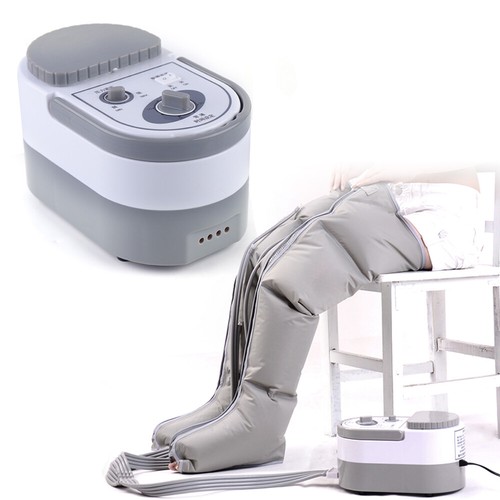
Compression equipment for legs is designed to apply controlled pressure to your lower limbs using inflatable sleeves or garments. These devices gently squeeze and release the legs in a rhythmic motion, helping to improve blood flow and stimulate the lymphatic system.

Think of it as a gentle massage that works deep within your muscles and tissues. The pressure encourages healthy circulation, reduces fluid buildup, and helps your legs feel lighter and more comfortable.

This type of therapy is widely used for recovery, medical support, and everyday comfort.

Why Do People Use Compression Therapy?

Our legs work hard every day. Standing for long hours, intense workouts, travel, or certain health conditions can slow circulation and cause discomfort. Compression therapy helps address these concerns naturally and effectively.

Here’s why many people choose compression equipment:

Improved Blood Circulation

One of the biggest benefits is enhanced circulation. The controlled pressure helps move blood efficiently through the veins, delivering oxygen and nutrients to muscles while removing waste products.

Reduced Swelling and Fluid Retention

If you experience swollen feet or legs, compression therapy can help reduce excess fluid buildup. This makes your legs feel lighter and less tense.

Faster Muscle Recovery

Athletes and fitness enthusiasts often use compression equipment after exercise. It helps reduce muscle soreness, speeds recovery, and prepares the body for the next workout.

Relief from Leg Fatigue

Long workdays or extended standing can leave your legs feeling heavy and tired. Compression therapy helps relieve fatigue and restore comfort.

Support for Overall Leg Health

Regular use supports healthy veins and lymphatic function, promoting long-term wellness and mobility.

How Does Compression Equipment Work?

The process is simple yet highly effective. Most compression devices include sleeves that wrap around the legs and connect to a pump or control unit. Once activated, the sleeves inflate and deflate in a sequence.

This gentle pressure:

  • Encourages blood flow back toward the heart
  • Stimulates lymphatic drainage
  • Reduces fluid accumulation
  • Relaxes muscles and tissues

The result is improved circulation, reduced discomfort, and a noticeable sense of relief.

Who Can Benefit from Compression Equipment For Legs?

Compression therapy is suitable for a wide range of individuals. You don’t need to be an athlete or have a medical condition to benefit from it.

You may find it helpful if you:

  • Stand or sit for long periods at work
  • Experience frequent leg swelling or fatigue
  • Travel often or take long flights
  • Exercise regularly
  • Want faster muscle recovery
  • Have circulation-related concerns
  • Want preventive care for leg health

Because it’s non-invasive and easy to use, compression therapy fits easily into everyday life.

Using Compression Equipment at Home

One of the biggest advantages of modern compression equipment is convenience. Many devices are designed for home use, allowing you to enjoy professional-level therapy whenever you need it.

A typical session involves placing the sleeves on your legs, selecting the pressure level, and relaxing while the device works. Sessions usually last between 15 and 45 minutes, making it easy to include in your daily routine.

Many people use compression therapy while reading, watching TV, or resting after work.

Tips for Getting the Best Results

To maximise the benefits of compression equipment, consistency is key. Here are a few helpful tips:

  • Use the device regularly as recommended
  • Choose comfortable pressure settings
  • Stay hydrated to support circulation
  • Maintain an active lifestyle when possible
  • Follow any professional advice if using for medical purposes

Combining compression therapy with healthy habits enhances long-term results.

Choosing the Right Compression Equipment

With many options available, selecting the right device is important. Look for features such as adjustable pressure levels, comfortable sleeve design, ease of use, and durable construction. A reliable device ensures safe and effective therapy tailored to your needs.

Investing in quality compression equipment can provide lasting comfort and support for your leg health.

A Simple Step Toward Healthier Legs

Taking care of your legs doesn’t have to be complicated. Compression Equipment For Legs offers a simple, effective, and comfortable way to improve circulation, reduce swelling, and support recovery. Whether you want relief from daily fatigue or better athletic performance, compression therapy helps you feel more energised and mobile.

By making compression therapy part of your wellness routine, you give your legs the care they deserve — helping you stay active, comfortable, and ready for whatever the day brings.

Lymphoedema After Cancer: Understanding & Managing The Condition

Lymphoedema is a condition that can develop after cancer treatment when the lymphatic system is damaged or disrupted. The lymphatic system is responsible for draining excess fluid from tissues and supporting the body’s immune system. When lymph nodes or lymph vessels are removed, blocked or affected during cancer treatment, lymph fluid may not drain properly. This can lead to a build-up of fluid in the tissues, causing swelling known as lymphoedema.

Lymphoedema most commonly affects the arms or legs, but it can also occur in other parts of the body such as the chest wall, neck, abdomen or genital area depending on the type of cancer treatment received.

Why Lymphoedema Can Occur After Cancer Treatment

Several cancer treatments can increase the risk of developing lymphoedema. Surgery that involves removing lymph nodes is one of the most common causes. Lymph nodes act as filters for lymph fluid and removing them can interrupt the natural flow of the lymphatic system.

Radiation therapy can also contribute to lymphoedema because it may cause scarring or damage to the lymph vessels and surrounding tissues. In some cases, a combination of surgery and radiation therapy further increases the risk.

Certain cancers are more commonly associated with lymphoedema, including breast cancer, melanoma, prostate cancer, gynaecological cancers and head and neck cancers. However, not everyone who undergoes cancer treatment will develop lymphoedema.

Signs and Symptoms to Watch For

Lymphoedema can develop soon after cancer treatment or sometimes months or even years later. Early detection is important because treatment is often more effective when started early.

Common signs and symptoms may include swelling in the arm, leg, hand or foot, a feeling of heaviness or tightness in the affected area, reduced flexibility in joints and clothing or jewellery feeling tighter than usual. Some individuals may also notice changes in the texture of the skin or a sensation of fullness in the limb.

These symptoms may appear gradually and can sometimes fluctuate throughout the day.

Managing Lymphoedema After Cancer

Although lymphoedema is considered a long-term condition, it can be effectively managed with the right care and support. Treatment focuses on reducing swelling, improving lymphatic flow and preventing the condition from worsening.

Common management strategies include manual lymphatic drainage, a specialised form of gentle massage that encourages lymph fluid movement. Compression therapy using garments or bandages is also widely used to help maintain reduced swelling and support the lymphatic system.

Exercise plays an important role as well. Gentle and controlled movement helps stimulate the lymphatic system and encourages fluid circulation. Maintaining healthy skin care is also essential because the affected area may be more vulnerable to infection.

Living Well With Lymphoedema

Many people who develop lymphoedema after cancer treatment are able to manage the condition successfully and continue living active lives. Education, early intervention and regular monitoring can make a significant difference in controlling symptoms.

Working with trained lymphoedema therapists or healthcare professionals ensures that individuals receive appropriate treatment plans tailored to their needs. With the right management strategies, the impact of lymphoedema can be significantly reduced, helping individuals maintain comfort, mobility and confidence in their daily lives.

The Benefits Of Natural Almond Butter: A Nutty Delight For Australians

Australians are spoilt for choice when it comes to spreads, but natural almond butter has been quietly stealing the spotlight. It’s more than just a tasty treat; it’s a pantry must-have for those who love a health kick without sacrificing flavour. Packed with nutrients and bursting with flavour, natural almond butter is fast becoming a staple in kitchens across the country. Here’s why you might want to make room in your cupboard for this nutty delight.

 Natural Almond Butter

1. Nutrient Powerhouse

  • Natural almond butter offers a nutritional punch that’s hard to ignore. 
  • Rich in protein, healthy fats, and fibre, it’s a perfect addition to any balanced diet. 
  • This spread is also packed with vitamin E, magnesium, and calcium, which are essential for healthy bones and skin. 
  • Unlike its sugary counterparts, natural almond butter keeps it simple with minimal processing and no added sugars or unhealthy oils. It’s the kind of straightforward goodness that resonates well with health-conscious Australians.

 2. Heart-Healthy Fats

  • One of the standout features of natural almond butter is its high content of monounsaturated fats, the good kind of fats. 
  • These fats are known to help reduce bad cholesterol levels, which can be a real boon for heart health. 
  • Incorporating almond butter into your diet is a delicious way to support cardiovascular well-being without feeling like you’re making a sacrifice.

3. Versatile Culinary Companion

  • The versatility of natural almond butter is nothing short of impressive. 
  • Whether you’re spreading it on toast, stirring it into your morning porridge, or blending it into a smoothie, its creamy texture and nutty flavour enhance almost any dish. 
  • For those who enjoy experimenting in the kitchen, almond butter can also be used as a base for sauces or as a substitute for dairy in baking. 
  • There’s no denying the culinary creativity it can inspire.

4. Sustained Energy

  • Feeling sluggish by mid-morning? Natural almond butter is the energy boost you need. 
  • Its combination of protein, fibre, and healthy fats ensures a slow, steady release of energy, keeping you fuller for longer. 
  • Whether you’re heading out for a bushwalk or tackling a busy day at work, a dollop of almond butter can help keep energy levels up without the crash that sugary snacks can bring.

5. Eco-Friendly and Locally Sourced

  • For Australians who are mindful of their environmental impact, choosing natural almond butter can be a step in the right direction. 
  • Many brands in Australia focus on sustainable practices, and almonds often require less water than other nut crops. 
  • By opting for products made from locally sourced almonds, you’re supporting Australian farmers and reducing the carbon footprint associated with imported goods.

FAQs

  1. Is natural almond butter suitable for a vegan diet?

Yes, natural almond butter is plant-based and an excellent choice for those following a vegan diet.

  1. Where can I buy natural almond butter in Australia?

You can find natural almond butter in most supermarkets and health food stores across Australia.

  1. How should I store natural almond butter?

For optimal freshness, store almond butter in a cool, dry place. If you prefer a firmer texture, it can also be refrigerated.

  1. Can I make my own natural almond butter at home?

Absolutely! All you need are almonds and a food processor. Simply blend the almonds until they reach a creamy consistency. It’s a fun and rewarding process.

 Conclusion

Natural almond butter is more than just a trend; it’s a nutritious, versatile, and environmentally friendly choice for health-conscious Australians. With its rich flavour and impressive health benefits, it’s clear why so many are swapping out their usual spreads for this nutty alternative. Whether you’re looking to improve your diet, boost your energy, or simply enjoy a deliciously wholesome snack, natural almond butter ticks all the boxes.

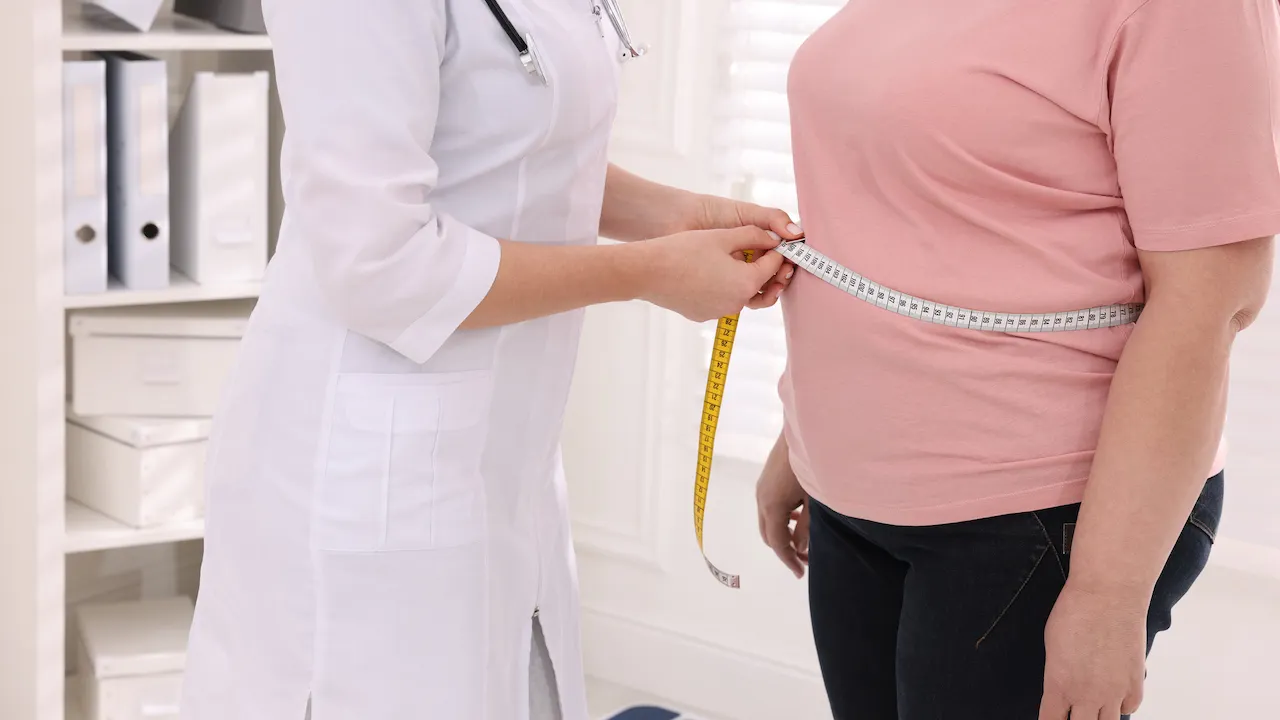
Weight loss Treatment st george area

Weight Loss Treatment In St George Area: Achieve Your Health Goals

Maintaining a healthy weight is essential for overall wellbeing, yet many people struggle to achieve their weight loss goals. Professional weight loss treatment in the St George area offers personalised programs and evidence-based therapies designed to support safe, sustainable, and effective weight management. Whether through nutritional guidance, lifestyle coaching, or targeted therapies, local specialists help individuals reach their goals while improving energy, fitness, and long-term health.

Why Seek Professional Weight Loss Treatment

Attempting weight loss without guidance can lead to frustration, health risks, and ineffective results. Engaging professional support provides several benefits:

  • Tailored Programs – Treatments are customised to your body, lifestyle, and health conditions.
  • Safe Practices – Expert guidance ensures weight loss without compromising nutrition or energy.
  • Sustainable Results – Focus on long-term habits rather than quick fixes.
  • Motivation and Support – Regular monitoring encourages adherence and accountability.
  • Holistic Approach – Addresses physical, emotional, and behavioural factors influencing weight.

Professional treatment ensures a structured, effective, and safe pathway to achieving your weight goals.

Types of Weight Loss Treatments

Various approaches are available depending on individual needs and preferences:

Nutritional Counselling – Personalised diet plans designed to meet energy requirements and promote fat loss.

Behavioural Therapy – Identifies habits and emotional triggers that impact eating patterns.

Exercise Programs – Structured fitness routines for strength, cardiovascular health, and calorie burning.

Medical Weight Loss – Supervised programs for those with obesity or underlying medical conditions.

Holistic Treatments – Integrates therapies such as kinesiology, acupuncture, or energy work to support motivation and metabolism.

A combination of these methods often provides the most effective and sustainable results.

Benefits of Weight Loss Treatments

Engaging in professional weight loss programs provides multiple advantages:

  • Improved Health – Reduces risk of diabetes, heart disease, and joint problems.
  • Enhanced Energy – Proper nutrition and exercise improve stamina and vitality.
  • Better Mental Health – Supports confidence, self-esteem, and reduces anxiety.
  • Long-Term Lifestyle Changes – Encourages sustainable habits rather than short-term dieting.
  • Accountability – Regular monitoring helps individuals stay on track and adjust plans as needed.

Professional support transforms weight loss from a challenging task into an achievable, rewarding process.

Choosing the Right Weight Loss Treatment in St George Area

Selecting a suitable program or provider requires careful consideration:

  • Qualifications and Expertise – Ensure the practitioner is certified in nutrition, fitness, or weight management.
  • Tailored Approach – Programs should account for individual needs, health status, and preferences.
  • Evidence-Based Methods – Effective treatments rely on scientific research rather than fads.
  • Ongoing Support – Access to regular consultations, follow-ups, and guidance ensures sustained results.
  • Patient Reviews – Testimonials provide insight into the program’s effectiveness and professionalism.

The right provider ensures a safe, personalised, and results-oriented weight loss journey.

Components of a Successful Weight Loss Program

Effective programs combine multiple elements to achieve results:

  • Balanced Nutrition – Focus on whole foods, portion control, and appropriate calorie intake.
  • Physical Activity – Tailored exercise routines to promote fat loss and maintain muscle mass.
  • Behavioural Strategies – Techniques to manage cravings, emotional eating, and lifestyle habits.
  • Regular Monitoring – Tracking progress ensures adjustments for optimal outcomes.
  • Motivation and Education – Providing knowledge and support to sustain lifestyle changes.

A comprehensive approach addresses all aspects of weight management for lasting success.

Common Challenges and Solutions

Many individuals face obstacles during weight loss:

  • Plateaus – Adjusting diet or exercise intensity helps overcome stalled progress.
  • Emotional Eating – Behavioural therapy and stress management techniques are effective solutions.
  • Time Constraints – Flexible program designs fit into busy schedules.
  • Motivation Loss – Regular check-ins and goal-setting maintain focus.
  • Medical Conditions – Supervised treatment ensures safety for those with health concerns.

Professional weight loss treatment anticipates challenges and provides effective strategies to overcome them.

What to Expect in a Weight Loss Program

A typical program includes:

Initial Consultation – Assess health history, lifestyle, and weight loss goals.

Personalised Plan – Customised nutrition, exercise, and lifestyle recommendations.

Ongoing Support – Regular check-ins, progress monitoring, and adjustments.

Education and Guidance – Equip clients with the knowledge to maintain results independently.

Sustainable Approach – Focus on developing long-term habits rather than temporary fixes.

Structured programs create a clear roadmap to achieve and maintain weight loss.

Conclusion

Professional weight loss treatment in the St George area provides structured, safe, and effective solutions for individuals seeking to achieve their health goals. By combining nutrition, exercise, behavioural strategies, and personalised support, these programs offer sustainable results and improved overall wellbeing.

With the guidance of experienced practitioners, clients can overcome challenges, build healthier habits, and enjoy long-term benefits. Weight loss treatment is not just about shedding kilograms; it is about adopting a holistic approach to health, vitality, and a better quality of life.

lymphoedema leg pump

Understanding the Role of a Lymphoedema Leg Pump in Managing Swelling

Living with lymphoedema can sometimes feel like a constant battle against swelling and discomfort. For many Australians, finding effective ways to manage this condition is crucial for maintaining a good quality of life. One tool that’s been making waves in the lymphoedema community is the lymphoedema leg pump. But what exactly is it, and how does it help?

What is a Lymphoedema Leg Pump?

A lymphoedema leg pump is a medical device designed to reduce swelling in individuals suffering from lymphoedema, particularly in the legs. This condition often results from damage or blockage in the lymphatic system, leading to fluid retention and swelling. The leg pump works by applying intermittent compression to the affected area, promoting fluid movement and reducing swelling. It’s like giving your legs a gentle, rhythmic massage that encourages fluid circulation.

How Does It Work?

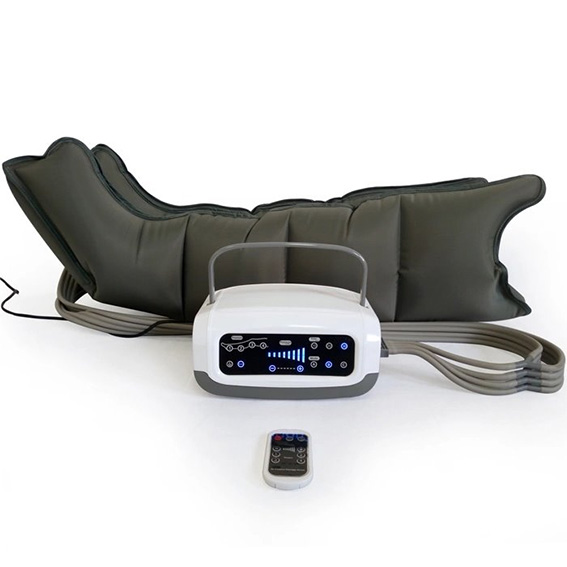
Imagine a pair of inflatable sleeves that wrap around your legs. These sleeves are connected to a pump that inflates and deflates them in a systematic pattern. This process mimics the natural pumping action of your lymphatic system, helping to move excess fluid out of your tissues and back into your lymphatic vessels. This can significantly decrease swelling, alleviate discomfort, and even enhance mobility over time.

The Benefits of Using a Lymphoedema Leg Pump

 1. Reduction in Swelling

The primary benefit of using a lymphoedema leg pump is its ability to reduce swelling. Promoting lymphatic drainage can help prevent the fluid build-up that causes swelling, making it easier to move and reducing the risk of skin complications.

 2. Improved Comfort and Mobility

Swollen legs can be incredibly uncomfortable and can limit your ability to move freely. Regular use of a leg pump can relieve this discomfort, allowing individuals to engage in daily activities more comfortably.

 3. Convenience and Ease of Use

Many lymphoedema leg pumps are designed for home use, offering convenience for users. They’re typically easy to operate, allowing individuals to manage their condition without frequent trips to a clinic or hospital.

 4. Enhanced Quality of Life

By managing symptoms and promoting better mobility, a lymphoedema leg pump can greatly enhance an individual’s quality of life. Being able to participate in social activities and maintain an active lifestyle can have a positive impact on mental well-being as well.

Considerations Before Use

While a lymphoedema leg pump can be a valuable tool, it’s important to consult a healthcare professional before starting its use. They can provide guidance on the appropriate settings and usage frequency based on your specific condition. It’s also crucial to ensure that the device is used correctly to prevent any potential complications. Conclusion

A Lymphoedema leg pump can be a game-changer for those managing lymphoedema in the legs. By aiding in fluid movement and reducing swelling, it offers a practical solution to a challenging condition, ultimately promoting a better quality of life. Always discuss with a healthcare professional to ensure it’s the right choice for your health needs.

FAQs About Lymphoedema Leg Pumps in Australia

1. Can I use a lymphoedema leg pump if I have other medical conditions?

Consult with your healthcare provider to determine if a leg pump is suitable, especially if you have conditions like deep vein thrombosis.

2. How often should I use the leg pump?

Usage frequency can vary based on individual needs and medical advice. Some might use it daily, while others may require it less frequently.

3. Are lymphoedema leg pumps covered by insurance or Medicare in Australia?

Coverage can vary, so it’s best to check with your insurance provider or Medicare for specific details related to reimbursement or coverage.

Conclusion

A Lymphoedema leg pump can be a game-changer for those managing lymphoedema in the legs. By aiding in fluid movement and reducing swelling, it offers a practical solution to a challenging condition, ultimately promoting a better quality of life. Always discuss with a healthcare professional to ensure it’s the right choice for your health needs.

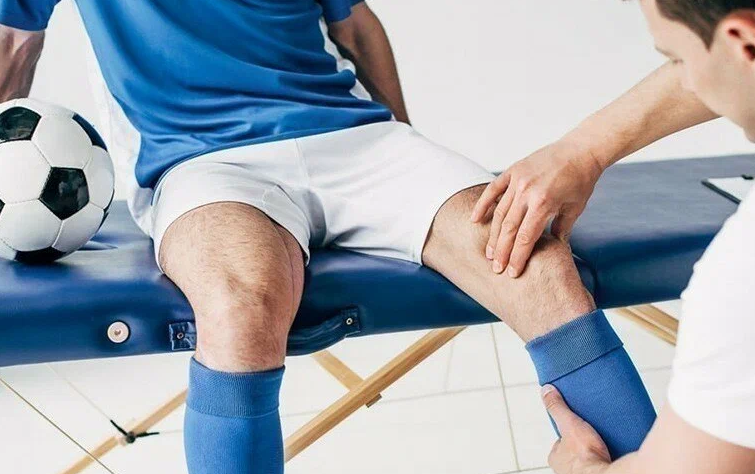
What Makes The Sports Injury Clinic In Gregory Hills Stand Out?

If you’ve sustained a sports injury, finding the right clinic for your rehabilitation is crucial to ensure a fast and effective recovery. The sports injury clinic in Gregory Hills offers specialised treatments that help you bounce back stronger and prevent future injuries. Whether you’re an amateur athlete or a seasoned pro, getting the best care from experienced professionals can make all the difference in your healing journey. This blog will explore what sets the sports injury clinic in Gregory Hills apart and why it’s the ideal choice for your recovery.

Why Is Choosing the Right Sports Injury Clinic Important?

Choosing the right sports injury clinic can significantly impact your recovery process. Here’s why it’s so crucial:

  • Expertise in Sports Injuries: Clinics specialising in sports injuries have staff who understand athletes’ unique challenges, ensuring you receive the best care.
  • Faster Recovery: With the proper treatment and guidance, recovery times can be drastically reduced, allowing you to return to your sport sooner.
  • Prevention of Re-Injury: A clinic focusing on sports injuries can help you rehabilitate properly, reducing the risk of re-injury when you return to your activities.
  • Personalised Care: Clinics dedicated to sports injuries will create tailored rehabilitation plans that address your specific needs, injuries, and goals.
  • Comprehensive Services: Many sports injury clinics offer a range of services, from physiotherapy and chiropractic care to strength training, ensuring a holistic approach to recovery.

What Services Are Offered at the Sports Injury Clinic in Gregory Hills?

The sports injury clinic in Gregory Hills offers various services to help athletes recover and thrive. Some of the key offerings include:

  • Sports Physiotherapy: Aimed at treating injuries, improving strength, and restoring mobility, sports physiotherapy is essential for getting athletes back to their best.
  • Massage Therapy: Therapeutic massages help to relax muscles, reduce pain, and increase circulation, which promotes healing and improves flexibility.
  • Rehabilitation Programs: The clinic designs customised programs based on your injury and fitness level, helping you recover fully and safely.
  • Sports Medicine Consultation: Qualified sports physicians can diagnose and treat injuries, advise on prevention, and suggest the most effective treatments for optimal recovery.
  • Strength and Conditioning: Focused on improving physical performance and reducing injury risk, these programs strengthen muscles, enhance endurance, and increase flexibility.

How Does the Clinic’s Team Ensure Effective Recovery?

The sports injury clinic in Gregory Hills uses a multi-disciplinary approach to ensure a well-rounded, effective recovery. Here’s how they help you heal:

  • Tailored Treatment Plans: Every patient’s condition is different, so the clinic creates personalised treatment plans that focus on your unique injury and recovery goals.
  • Experienced Practitioners: The clinic’s team of physiotherapists, sports medicine doctors, and specialists bring years of expertise in treating sports-related injuries, ensuring you receive the best possible care.
  • Cutting-Edge Technology: Using the latest technology, such as diagnostic imaging and rehabilitation tools, the clinic ensures accurate assessments and effective treatments.
  • Comprehensive Support: From initial assessment to long-term recovery, the clinic supports you throughout the entire process, providing guidance and advice every step of the way.
  • Progress Monitoring: Regular assessments are made to track your recovery progress, allowing adjustments to the treatment plan as needed for optimal results.

How Does the Sports Injury Clinic in Gregory Hills Focus on Injury Prevention?

In addition to recovery, the clinic in Gregory Hills places a strong emphasis on injury prevention, ensuring athletes stay healthy and perform at their best:

  • Pre-Exercise Screenings: The clinic provides screenings to identify potential weaknesses or imbalances in your body before they result in injury.
  • Education and Advice: The clinic educates athletes on proper techniques, training schedules, and nutrition to prevent injuries from occurring in the first place.
  • Strengthening Programs: Specific exercises are prescribed to target weak muscle groups or areas prone to injury, ensuring your body is better prepared for physical activity.
  • Biomechanical Analysis: The clinic uses advanced technology to analyse your movement patterns and identify potential issues that may increase the risk of injury.
  • Injury Risk Assessment: Regular assessments are conducted to determine the areas of your body that may be vulnerable, allowing preventative treatments or modifications to be implemented.

What Makes the Sports Injury Clinic in Gregory Hills Stand Out from Others?

The sports injury clinic in Gregory Hills offers several unique advantages that set it apart from other clinics:

  • Experienced Specialists: The clinic’s team consists of highly trained and experienced practitioners who focus solely on sports injuries, ensuring expert care.
  • Comprehensive, Integrated Services: By offering everything from physiotherapy to sports medicine and rehabilitation, the clinic takes a holistic approach to your recovery.
  • Advanced Treatment Techniques: The clinic stays at the forefront of sports injury treatment by using the latest research, technology, and techniques for faster, more effective recovery.
  • Convenient Location and Facilities: The clinic is located in Gregory Hills, offering a modern and comfortable facility that’s easy to access for those in the local area.
  • Personalised Care: Each patient receives individual attention, with treatment plans tailored to their specific injury, fitness level, and goals, ensuring the best possible outcomes.

Conclusion:

The sports injury clinic in Gregory Hills is dedicated to providing athletes with the highest level of care, from effective injury treatment to preventative strategies. With a focus on tailored rehabilitation, advanced treatment techniques, and a comprehensive approach to recovery, the clinic ensures that every athlete can recover quickly, safely, and thoroughly. Whether you’re an elite athlete or enjoy sports for fun, the clinic’s expert team can help you get back to your best, preventing future injuries and improving your performance in the long run.