Category Archive : Dental Care

dentures Sydney

A Complete Guide To Dentures In Sydney: Restoring Your Smile With Confidence

Explore the world of dentures in Sydney and discover how these dental appliances can restore your smile, improve your chewing ability, and boost your self-confidence. This informative article provides valuable insights into the different types of dentures available, the process of getting dentures, and essential care tips to ensure their longevity.

Losing natural teeth can significantly impact our oral health and self-esteem. Thankfully, dentures offer an effective solution to restore both functionality and aesthetics. In Sydney, individuals have access to a wide range of denture options, tailored to meet specific needs. This article serves as a comprehensive guide to dentures in Sydney, offering insights into the benefits, types, processes, and care tips for maintaining optimal oral health.

Benefits of Dentures:

Restored Functionality:

Dentures replace missing teeth, allowing individuals to regain their ability to bite, chew, and speak properly.
With dentures, you can enjoy a more diverse diet, improve digestion, and maintain overall oral health.

Enhanced Appearance:

Dentures help restore a natural-looking smile, enhancing facial aesthetics and boosting self-confidence.
They can fill out facial contours, minimising the appearance of sagging or sunken cheeks caused by tooth loss.

Improved Speech:

Missing teeth can affect speech clarity and pronunciation. Clear and self-assured speaking is made possible by dentures, which support the lips, cheeks, and tongue.

Preventing Further Dental Issues:

Gaps left by missing teeth can lead to bone loss, shifting of adjacent teeth, and an increased risk of gum disease.
Dentures fill these gaps, providing support to the remaining teeth and preventing further dental issues.

Types of Dentures:

Complete Dentures:

When all of the teeth in either the upper or lower jaw are lost, complete dentures are utilised.
These dentures are custom-made to fit the shape of your mouth and provide a natural-looking smile.

Partial Dentures:

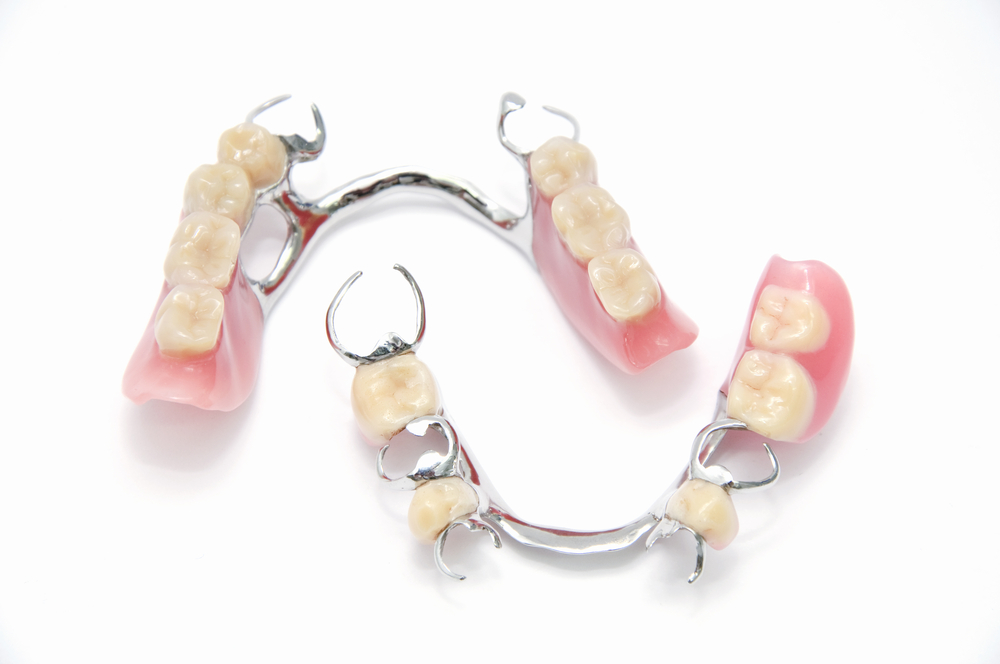
When some natural teeth are still present, partial dentures are advised.
They consist of replacement teeth attached to a gum-coloured base, secured to the remaining teeth with metal clasps or precision attachments.

Implant-Supported Dentures:

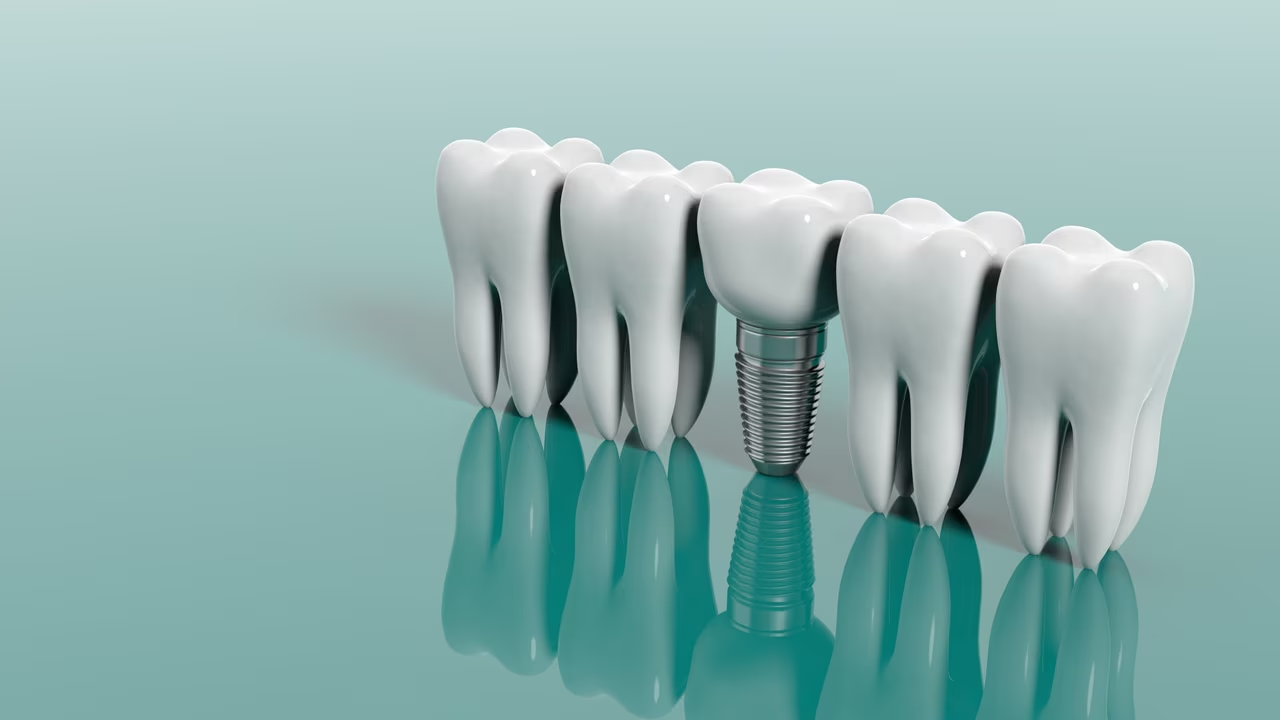
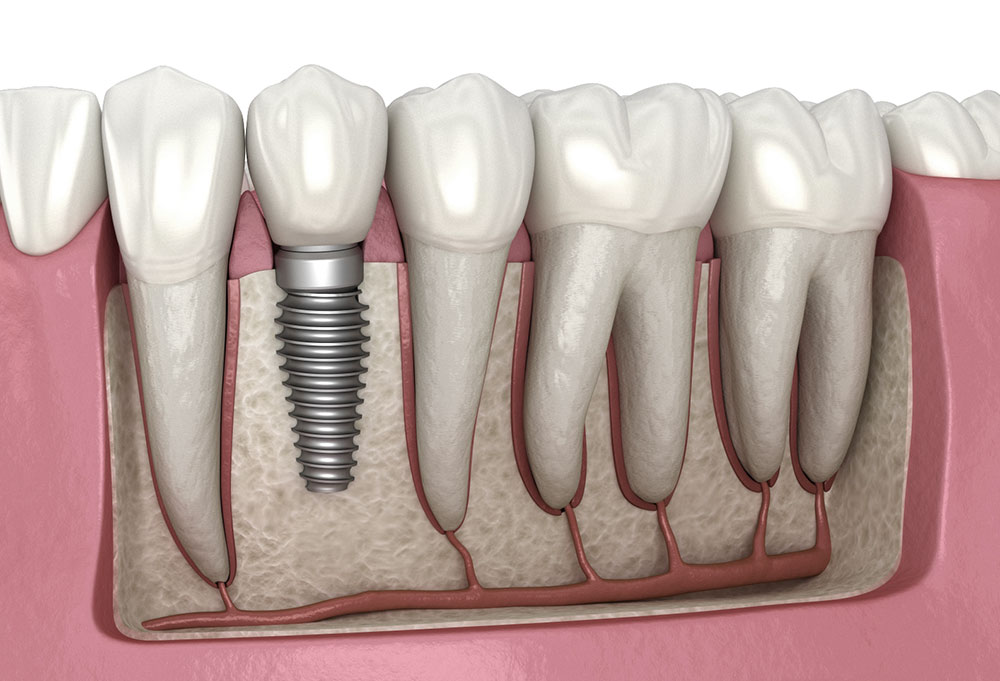
Dental implants are fixed to implant-supported dentures by surgery to the jawbone.
These dentures provide enhanced stability, eliminate the need for adhesives, and offer a more secure and comfortable fit.

The Denture Process:

Consultation and Examination:

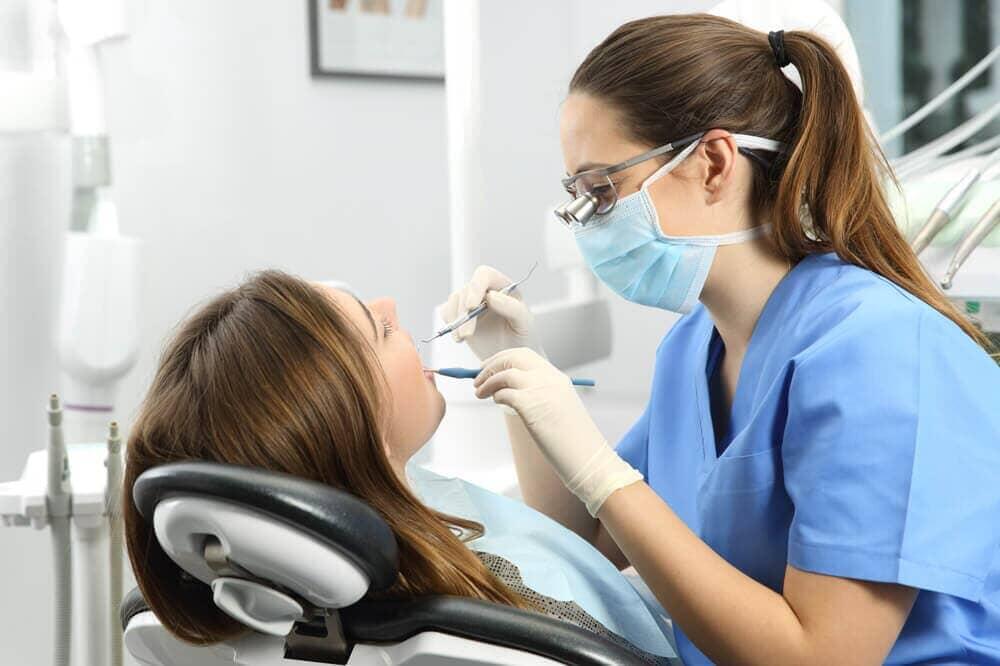
Visit a reputable dentist in Sydney specialising in dentures for a thorough examination of your oral health and evaluation of your specific needs.
Discuss your expectations and concerns to determine the most suitable denture option for you.

Impression and Customisation:

Impressions of your mouth will be taken to create precise moulds for your dentures.
The colour, shape, and size of the teeth will be chosen to achieve a natural-looking result.

Trial and Adjustment:

Once your dentures are fabricated, you will have a trial fitting to ensure proper fit, bite alignment, and aesthetics.
The ideal level of comfort and functionality will be achieved by making any required changes.

Final Placement and Instructions:

After successful trials and adjustments, your dentures will be permanently placed.
Your dentist will provide instructions on proper denture care, including cleaning techniques and regular check-up schedules.

Caring for Your Dentures:

Clean your dentures daily with a soft-bristle brush and denture cleaner recommended by your dentist.
Remove your dentures at night to give your gums a rest and soak them in a denture-cleaning solution.
Handle your dentures with care to avoid dropping and damaging them.
Visit your dentist regularly for check-ups, and adjustments, and to monitor the health of your gums and remaining teeth.

Conclusion:

Dentures in Sydney offer a reliable solution for those seeking to restore their smiles and regain their confidence. With a variety of denture options available, individuals can find a suitable choice that meets their specific needs. By understanding the benefits, types, processes, and care tips associated with dentures, you can make informed decisions and enjoy the many advantages of these dental appliances. Consult a reputable dentist in Sydney to explore your denture options and take the first step towards a healthier, more confident smile.
The Sydney Denture Clinic is a specialised dental facility that provides comprehensive denture services to patients in the Sydney area. Staffed by experienced denturists and dental professionals, the clinic offers a range of services, including denture fittings, repairs, and replacements. Patients can expect personalised care, quality craftsmanship, and the latest advancements in denture technology at the Sydney Denture Clinic.
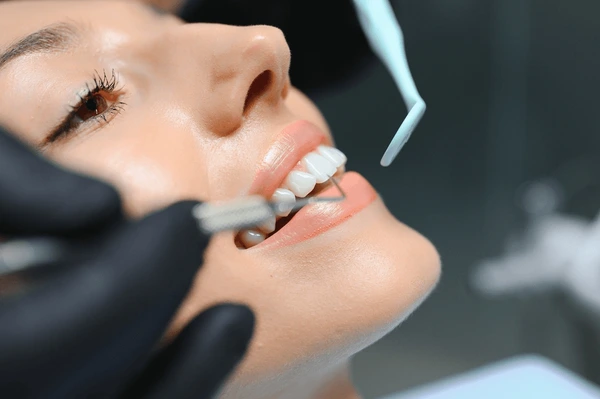
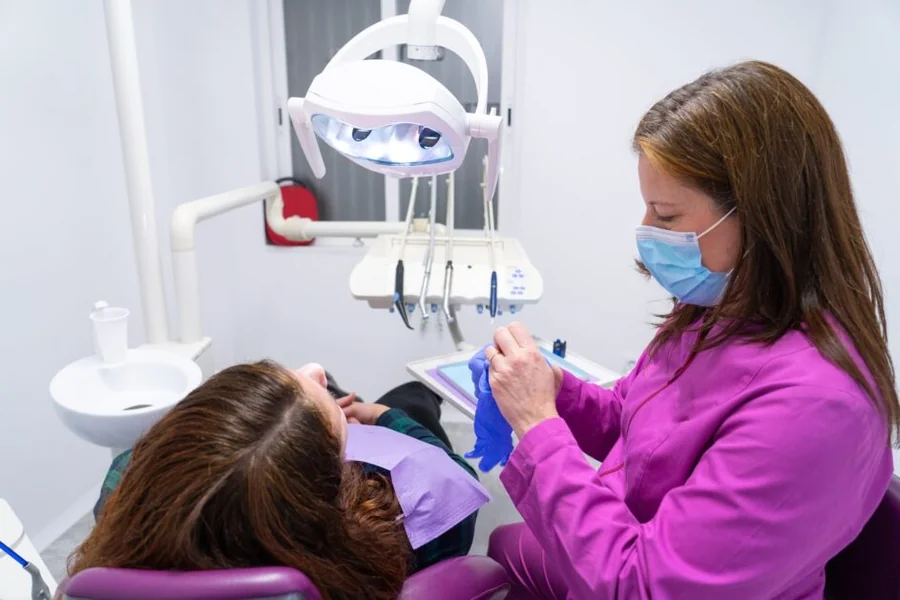
Dental Clinic Parramatta: A Guide To Choosing The Right Dental Care

Maintaining good oral health involves more than brushing and flossing every day. Regular dental examinations, professional cleaning and timely treatment can help identify dental problems early and support healthier teeth and gums.

For people searching for a dental clinic in Parramatta, understanding the different services available and what to consider when choosing a dental practice can make it easier to find suitable care.

What Services Can A Dental Clinic Provide?

A dental clinic may offer a wide range of treatments for different oral health needs, including:

  • Dental check-ups and professional cleaning
  • Dental fillings
  • Root canal treatment
  • Tooth extractions
  • Wisdom teeth removal
  • Dental crowns and bridges
  • Dental implants
  • Dentures
  • Teeth whitening
  • Dental veneers
  • Clear aligners and braces
  • Children’s dentistry
  • Emergency dental care

Dental clinics in Parramatta provide combinations of general, cosmetic, restorative and orthodontic services, although the exact treatments available can vary between practices.

Why Are Regular Dental Check-Ups Important?

Regular dental check-ups allow potential problems to be identified before they become more serious. Tooth decay, gum disease and damaged teeth may not always cause noticeable symptoms during the early stages.

Professional cleaning can also help remove plaque and tartar that cannot always be effectively removed through everyday brushing and flossing.

Regular examinations may also give dental professionals an opportunity to monitor changes in the teeth, gums and bite over time.

When Should You Visit A Dentist?

A dental appointment may be appropriate if you experience:

  • Persistent toothache
  • Tooth sensitivity
  • Bleeding or swollen gums
  • Pain when chewing
  • Cracked or chipped teeth
  • Loose teeth
  • Dental swelling
  • Persistent bad breath
  • Changes in the appearance of your teeth

Prompt assessment can help determine the underlying cause and whether treatment is required.

General And Preventive Dentistry

Preventive dentistry focuses on maintaining oral health and reducing the risk of common dental problems. Routine examinations, professional cleaning and personalised oral hygiene advice can all form part of preventive dental care.

General dentistry can also include treatments such as fillings, tooth extractions and management of gum problems. Some practices provide these services alongside children’s and emergency dental care.

Restorative Dental Treatments

Restorative dentistry aims to repair or replace teeth that have been affected by decay, damage or tooth loss.

Common restorative treatments include:

Dental Fillings

Fillings can restore teeth affected by cavities and help return the tooth to normal function.

Root Canal Treatment

Root canal treatment may be recommended when the inner part of a tooth becomes infected or severely inflamed. The procedure can help preserve a natural tooth when it can still be restored.

Crowns And Bridges

Crowns can help protect and restore damaged teeth, while bridges can replace certain missing teeth.

Dental Implants

Dental implants can provide a fixed replacement option for missing teeth when a patient is considered suitable for implant treatment.

Cosmetic And Orthodontic Dentistry

Some dental clinics also provide treatments designed to improve the appearance and alignment of teeth. These may include teeth whitening, veneers, cosmetic restorations, braces and clear aligners.

Clear aligners can be suitable for certain alignment concerns, while more complex cases may require other orthodontic approaches.

Children’s Dental Care

Children benefit from regular dental visits as their teeth and jaws develop. Early dental appointments can help monitor development, identify potential problems and establish positive oral hygiene habits.

A child-friendly approach can also help children become more comfortable with dental appointments and professional care.

How To Choose A Dental Clinic In Parramatta

When comparing dental practices, consider:

  • Range of dental services
  • Experience and qualifications
  • Preventive and restorative treatment options
  • Children’s dental care
  • Emergency treatment availability
  • Cosmetic and orthodontic services
  • Approach to patient comfort
  • Treatment planning and communication

It can also be helpful to ask about the recommended treatment, available alternatives and expected costs before proceeding.

Frequently Asked Questions

What Does A Dental Clinic Do?

A dental clinic provides professional services for maintaining, diagnosing and treating oral health conditions. Services can range from routine check-ups and cleaning to restorative, cosmetic and orthodontic treatments.

How Often Should I Visit A Dental Clinic?

The appropriate frequency depends on individual oral health, dental history and risk factors. A dental professional can recommend a suitable schedule after examining the teeth and gums.

Can A Dental Clinic Treat Dental Emergencies?

Some dental clinics provide emergency appointments for concerns such as severe toothache, dental injuries, swelling and damaged teeth. Availability varies between practices.

Can Children Visit A Dental Clinic?

Yes. Children’s dentistry is available at many dental practices and can include examinations, preventive care and treatment for common childhood dental concerns.

How Can I Maintain Good Oral Health Between Appointments?

Brushing twice daily with fluoride toothpaste, cleaning between the teeth, maintaining a balanced diet and attending regular dental examinations can help support good oral health.

Making An Informed Dental Care Choice

Choosing suitable dental care involves considering individual oral health needs, available treatments and the quality of ongoing care. When researching a dental clinic Parramatta patients can compare services and discuss their concerns with a qualified dental professional before deciding on treatment. Regular professional care combined with consistent daily oral hygiene can help support healthier teeth and gums over time.

Cosmetic Dentist Granville: A Guide To Modern Cosmetic Dentistry

A smile can influence confidence, appearance and the way a person feels when interacting with others. Cosmetic dentistry focuses on improving the appearance of teeth while also considering their health, function and natural proportions.

For people researching a cosmetic dentist in Granville, understanding the available treatments, their potential benefits and the importance of professional assessment can help when deciding which approach may be suitable.

What Is Cosmetic Dentistry?

Cosmetic dentistry involves dental treatments designed to improve aspects of the appearance of teeth and smiles. Depending on the condition of the teeth, treatments may address concerns involving colour, shape, size, spacing or minor imperfections.

Common cosmetic dental treatments include:

  • Professional teeth whitening
  • Dental veneers
  • Composite bonding
  • Cosmetic fillings
  • Dental crowns
  • Smile makeovers
  • Tooth reshaping

The most appropriate treatment depends on the individual’s teeth, gums, bite and overall oral health.

What Can Cosmetic Dentistry Improve?

Cosmetic dental treatment may help address several common concerns, including:

  • Stained or discoloured teeth
  • Chipped teeth
  • Uneven tooth shapes
  • Small gaps
  • Worn teeth
  • Minor imperfections
  • Irregular tooth proportions
  • Certain cosmetic alignment concerns

A dental assessment can help determine whether a cosmetic procedure is suitable or whether another type of treatment would provide a better result.

Popular Cosmetic Dental Treatments

Teeth Whitening

Professional teeth whitening can help lighten the appearance of natural teeth affected by certain types of staining and discolouration. A dental professional can assess the teeth and recommend an appropriate whitening method.

Whitening results can vary depending on the cause of discolouration, existing restorations and individual oral health.

Dental Veneers

Veneers are thin restorations placed over the front surface of selected teeth. They may be considered for concerns involving tooth colour, shape, minor spacing or certain imperfections.

Before veneers are considered, the health and structure of the teeth should be assessed to determine whether they are appropriate.

Composite Bonding

Composite bonding uses tooth-coloured dental material to modify or repair the appearance of teeth. It may be suitable for minor chips, small gaps and changes to tooth shape.

The procedure can often be completed relatively quickly, although longevity depends on factors such as oral hygiene, biting forces and lifestyle habits.

Cosmetic Crowns

Crowns can restore teeth that are significantly damaged while also improving their appearance. They may be considered when a tooth requires greater structural support than a purely cosmetic treatment can provide.

Is Cosmetic Dentistry Suitable For Everyone?

Cosmetic dentistry is not automatically suitable for every patient. Existing dental problems such as untreated decay, gum disease or significant tooth damage may need to be addressed first.

A comprehensive dental assessment allows the condition of the teeth and gums to be evaluated before a cosmetic treatment plan is developed.

How Does A Cosmetic Dental Consultation Work?

A consultation usually begins with an examination of the teeth, gums and bite. The dentist may also take photographs, X-rays or digital scans when required.

The patient’s concerns and expectations can then be discussed. Based on the assessment, different treatment options can be explained, including their potential benefits, limitations and maintenance requirements.

How Long Do Cosmetic Dental Treatments Last?

The lifespan of cosmetic dental work depends on the treatment, materials used and individual habits. Good oral hygiene, regular dental check-ups and avoiding habits that place excessive force on the teeth can help maintain restorations.

Teeth whitening, bonding and veneers each have different maintenance requirements, so patients should discuss expected longevity with their dental professional.

How To Choose A Cosmetic Dentist

When considering cosmetic dental treatment, it is useful to look at:

  • Experience with cosmetic procedures
  • Range of available treatments
  • Approach to personalised treatment planning
  • Condition and preservation of natural teeth
  • Communication about treatment expectations
  • Maintenance requirements
  • Overall oral health considerations

A suitable treatment plan should focus on creating an appearance that complements the patient’s natural teeth and facial features rather than simply changing the colour or shape of the smile.

Frequently Asked Questions

What Does A Cosmetic Dentist Do?

A cosmetic dentist provides treatments designed to improve the appearance of teeth and smiles. Some cosmetic procedures can also restore teeth that are damaged or worn.

Is Teeth Whitening Safe?

Professional teeth whitening can be appropriate for many patients when performed according to dental guidance. A dental assessment can help identify whether whitening is suitable.

Are Veneers Permanent?

Veneers are designed as long-term restorations, but they may eventually require replacement or maintenance. Their lifespan depends on factors such as oral hygiene, material and everyday habits.

Can Cosmetic Dentistry Fix Chipped Teeth?

Depending on the extent of the damage, options such as composite bonding, veneers or crowns may be considered. The appropriate treatment depends on the condition and structure of the affected tooth.

Improving The Appearance Of A Smile

Cosmetic dentistry offers several options for people who want to improve the colour, shape or overall appearance of their teeth. When considering a cosmetic dentist Granville, a professional consultation can help identify suitable treatments based on individual dental needs and goals. Combining cosmetic improvements with good oral health can help create a natural-looking smile that is easier to maintain over time.

dental and denture clinic

An Overview Of Orthodontic Care Options Available At A Local Dental And Denture Clinic

Orthodontic care is an important part of maintaining a healthy, beautiful smile. Orthodontists specialise in diagnosing, treating, and preventing misaligned teeth and jaws. There are many options for orthodontic care at a local dental and denture clinic. This article provides an overview of some of these services so that you can make an informed decision when selecting orthodontic care at your local clinic. 

Types Of Orthodontic Care Available At Local Clinics 

At most dental and denture clinics, there are two main types of orthodontics available: traditional braces and clear aligners (also known as Invisalign). Traditional braces are metal brackets with wires attached to them that gradually move your teeth into their desired position over time. Clear aligners offer similar results as conventional braces, but they use clear plastic trays instead, which allow for easier cleaning and less discomfort during treatment. Additionally, certain dental and denture clinics may also offer other specialised treatments, such as lingual braces or ceramic braces, which blend in with the colour of your teeth more effectively than regular metal ones do. 

Benefits Of Orthodontics Treatment 

Orthodontic treatment not only helps improve the appearance of one’s smile by correcting crooked or misaligned teeth, but it also has several functional benefits too. For instance, straightening one’s teeth can help reduce jaw strain from improper alignment, which can lead to facial pain or headaches if left untreated for long periods of time. Additionally, having straighter teeth makes brushing easier since food particles cannot get stuck between crowded areas where they would be difficult to remove. This could lead to plaque buildup, which could cause tooth decay or gum disease over time if not addressed promptly. Also, once treatment is completed, patients often find themselves able to speak more clearly due to improved oral articulation caused by properly aligned bite patterns allowing them greater confidence in social situations as well as on-stage performances if applicable.  

Cost And Payment Options For Orthodontic Treatments 

The cost associated with orthodontic treatments varies greatly depending on what type is being performed; however, typically, they will depend on how severe the case being treated is. Most insurance companies cover a portion of these expenses, though policies differ significantly, so it’s always best to check beforehand exactly what coverage you have before committing anything, financially speaking. Furthermore, most dental and denture clinics offer payment plans either through financing companies like Care Credit, cash payments, credit cards, checks etc. Allowing patients flexibility when paying off any remaining balance after their insurance covers its portion of costs, thus making sure everyone gets access to quality care regardless of personal financial situation.

Conclusion 

Orthodontic care is an essential part of maintaining a healthy, beautiful smile. At a local dental and denture clinic, there are many options available for orthodontic care, including traditional braces, clear aligners, lingual braces, ceramic braces and more. These treatments not only improve the appearance of one’s smile but also offer several functional benefits, such as reduced jaw strain, improved oral articulation and easier brushing. The cost associated varies greatly between treatment types; however, most dental and denture clinics provide flexible payment plans to help make sure everyone can access quality orthodontic care regardless of their financial situation.

Dental Implants Merrylands: Restoring Function And Confidence After Tooth Loss

Missing teeth can affect more than the appearance of a smile. Gaps may make chewing more difficult, influence speech and contribute to changes in how the remaining teeth function. Dental implants are one option for replacing missing teeth with a stable restoration designed to function similarly to a natural tooth.

For people researching dental implants in Merrylands, understanding how implants work, who may be suitable and what the treatment process involves can help when considering tooth replacement.

What Are Dental Implants?

A dental implant is a small fixture placed into the jawbone to support a replacement tooth. Once the implant has integrated with the surrounding bone, it can support a restoration such as a dental crown.

A typical implant restoration consists of three main components:

  • Implant fixture
  • Abutment
  • Dental crown

Together, these components provide a replacement designed to restore the appearance and function of a missing tooth.

When Are Dental Implants Considered?

Dental implants may be considered for people who have lost teeth due to:

  • Tooth decay
  • Gum disease
  • Dental trauma
  • Failed or severely damaged teeth
  • Other causes of tooth loss

Implants can potentially replace a single tooth, several missing teeth or support certain types of implant-retained dentures.

What Are The Benefits Of Dental Implants?

Depending on individual circumstances, dental implants can provide several potential benefits.

Natural-Looking Appearance

A carefully designed implant crown can be made to complement the surrounding teeth in shape, colour and proportion.

Improved Chewing Function

Replacing a missing tooth can help restore chewing function and provide a more complete bite.

Stable Tooth Replacement

Unlike some removable dental appliances, an implant-supported restoration is fixed in place once completed.

Support For Jawbone

Natural tooth roots stimulate the surrounding jawbone. After tooth loss, the bone in that area can gradually change. An implant can provide a form of stimulation through functional loading once it has integrated with the bone.

Who May Be Suitable For Dental Implants?

Suitability depends on several factors, including:

  • Overall oral health
  • Gum health
  • Available jawbone
  • Number and location of missing teeth
  • General health
  • Smoking habits
  • Ability to maintain good oral hygiene

A detailed dental assessment is required before implant treatment can be recommended.

How Does Dental Implant Treatment Work?

Implant treatment is generally completed in stages.

Initial Consultation

The dentist assesses the teeth, gums and jawbone. Digital scans or X-rays may be used to evaluate the proposed implant site.

Treatment Planning

A personalised plan is developed based on the number of missing teeth, available bone and the type of restoration required.

Implant Placement

The implant fixture is surgically placed into the jawbone. The area then requires time to heal and for the implant to integrate with the surrounding bone.

Attaching The Restoration

Once the implant has adequately healed, an abutment and dental crown or another appropriate restoration can be attached.

The exact process and timeframe vary depending on the patient’s individual circumstances.

How Long Do Dental Implants Take?

Dental implant treatment is not usually completed in a single appointment. The overall timeframe depends on factors such as healing, bone availability, the number of implants and whether additional procedures are required.

Some patients may require bone grafting or other preparatory treatment before implant placement.

Is Dental Implant Treatment Painful?

Implant placement is generally performed using appropriate anaesthesia to keep the procedure comfortable. Some swelling, tenderness or discomfort can occur after surgery as the area heals.

Following post-operative instructions carefully can help support recovery.

What Happens If There Is Not Enough Bone?

Adequate bone volume is important for implant placement. If there is insufficient bone at the proposed implant site, a bone graft or another preparatory procedure may sometimes be considered.

A dental scan can help determine the available bone and whether additional treatment may be required.

How Should Dental Implants Be Maintained?

Dental implants still require regular care even though the replacement tooth cannot develop decay in the same way as a natural tooth.

Good maintenance can include:

  • Brushing twice daily
  • Cleaning between the teeth
  • Following professional cleaning recommendations
  • Attending regular dental examinations
  • Avoiding habits that could damage the restoration
  • Following specific implant-care instructions

Healthy gums are particularly important for long-term implant maintenance.

Frequently Asked Questions

Are Dental Implants Suitable For Everyone?

No. Implant suitability depends on factors such as oral health, gum condition, available bone and general health. A professional assessment is necessary.

Can One Missing Tooth Be Replaced With An Implant?

Yes. A single dental implant can support an individual crown and may be considered when one tooth is missing and the surrounding conditions are suitable.

How Long Can Dental Implants Last?

Implant longevity varies between individuals and depends on factors such as oral hygiene, gum health, biting forces, lifestyle and regular professional maintenance.

Are Dental Implants Better Than Dentures?

The most suitable option depends on the patient’s circumstances. Implants provide a fixed solution, while dentures can be removable. A dental professional can explain the advantages and limitations of each approach.

Replacing Missing Teeth With Confidence

Dental implants can provide a stable solution for suitable patients who have lost one or more teeth. When considering dental implants Merrylands patients can discuss their oral health, treatment options and long-term maintenance requirements with a qualified dental professional. A comprehensive assessment can help determine whether implants are appropriate and what approach may provide the most suitable outcome.

root canal treatment Parramatta

5 Things You Should Know About Root Canal Treatment In Parramatta

Root canal treatment is a common dental procedure that can help to save a tooth from extraction. It is important to understand the process of root canal treatment and the benefits it can provide. It involves removing the infection or decay, cleaning the inside of the tooth, and filling and sealing the inside to prevent further damage. This article will discuss five key things everyone should know about Root Canal Treatment in Parramatta.

The Purpose of Root Canal Treatment in Parramatta

A tooth that is severely decaying or diseased can be repaired and saved with a root canal treatment. The purpose of root canal treatment is to remove the infected pulp, clean the inside of the tooth, and fills the inside with a special material. This procedure helps prevent further infection and decay and preserves the tooth so it can be used for years. Root Canal Treatment in Parramatta is typically done by a dentist, which is a specialist in root canal treatment. This procedure is a safe and effective way to restore the health of a damaged or infected tooth.

The Process of Root Canal Treatment

The process of root canal treatment in Parramatta involves several steps.

  • To assess the severity of the injury, the dentist will X-ray the tooth.
  • Next, the dentist will use a local anaesthetic to numb the area around the tooth.
  • Then, they will use special tools to access the inside of the tooth and remove any infected or decayed tissue.
  • Finally, they will fill the space with a special material and seal it off.

The Benefits of Root Canal Treatment

Root canal treatment in Parramatta can provide several benefits. One of the main benefits is that it can help to save a tooth from extraction. This can help preserve your smile’s natural appearance and prevent further damage to your teeth. The treatment can help to reduce pain and discomfort caused by an infected or decayed tooth.

The Risks Associated with Root Canal Treatment

Root canal treatment is a beneficial and common dental procedure. But there are some risks connected to the procedure that must be considered. These include infection, nerve damage, and excessive bleeding. Discussing these risks with your dentist before root canal treatment is important.

How to Care for a Tooth After The Treatment

After undergoing root canal treatment in Parramatta, it is important to take proper care of your tooth. This includes brushing and flossing regularly and visiting your dentist for regular check-ups. You should avoid chewing hard foods on the affected tooth, as this could cause further damage. If you experience any pain or discomfort in the treated tooth, contact your dentist as soon as possible. Your treated tooth should remain healthy and functional for years with proper care.

In The End

Root Canal Treatment in Parramatta is a safe, effective and pain-free way to save a damaged tooth. It is important to find a qualified and experienced dentist for the procedure and follow their aftercare instructions. Root canal treatment can help keep your natural teeth and maintain a beautiful smile. If you are experiencing pain or discomfort in your teeth, you must visit your dentist as soon as possible to determine the cause and explore your treatment options.

Metal Partial Denture

Common Mistakes To Avoid With Metal Partial Denture

Dentures could be an option if you have enough natural teeth missing. Dentures require some work to wear and care for, even though they are a terrific alternative for many people. If you don’t make a few basic denture blunders, you can maintain the health of your mouth and wear your dentures for longer. When teeth are lost due to injury or ageing naturally, dentures can be used to replace them. Metal partial denture is worn by about 15% of patients who lose their teeth. Maintaining dentures might be beneficial because they can be an investment for many people. Here you can see about the common mistakes to avoid with dentures:

Don’t stop brushing

Even if you wear dentures, you should still brush your teeth. Dental care is still crucial. Every morning, every night, and if necessary, brush your tongue, gums, and any remaining teeth after meals. Just as you did before you had dentures, complete this. Make use of fluoride toothpaste and a gentle brush. By brushing, you may prevent bad breath and metal partial denture-related irritation while maintaining your mouth’s health.

Leaving dentures to dry

When you remove your metal partial denture, cover them with water in a new container because you don’t want them to dry out. Warping can cause damage to dried dentures, which will affect how well they fit in your mouth. If you have any questions about whether you should keep them in water or a unique cleaning solution, talk to your dentist.

Strains

Treat your dentures the same way you would your natural teeth to prevent discolouration. The same substances that can stain your natural teeth, such as coffee, tea, red wine, and even chewing tobacco or smoking, can also stain your dentures. Talk to your dentist if this occurs because regular tooth whitening products can damage your metal partial denture.

Using boiling water

Thermoplastics are used to create bleaching trays, retainers, mouth guards, and anti-snoring devices. At room temperature, they are complex, but if you overheat them, they start to lose their structure. Dentures can also distort in hot water, especially Flexi dentures. Your dental equipment should not be placed in the dishwasher since the water gets hot. You don’t want to spoil the fit and then pay for a new one. Instead, use warm water.

Failure to practice proper oral care

If you believe that you are exempt from brushing your tongue and remaining teeth at least twice a day just because you wear dentures. Remember that dental appliances are worthless when the mouth is unhealthy. You must regularly practise good oral hygiene to prevent dental health problems, including tooth decay, poor breath, and others.

Don’t stop your regular dental visits

There are several benefits to continuing to visit your dentist frequently. For the rest of your mouth, you still require examinations. Tell your dentist immediately if your dentures click, feel uncomfortable, are damaged, or are deteriorating. At some point, dentures may need a refit or replacement.

Final words

As a result, the above listed are the common mistakes to avoid with dentures. These are the frequent mistakes that everyone will make after fitting a metal partial denture. You may maintain your denture if you don’t make these blunders.

Teeth Extractions Merrylands: Understanding The Treatment Process

A natural tooth is generally preserved whenever it can be restored safely and effectively. However, there are situations where removing a tooth may be the most appropriate option for protecting overall oral health. Severe decay, infection, trauma, overcrowding and certain wisdom tooth problems can sometimes require extraction.

For people researching teeth extractions in Merrylands, understanding why an extraction may be recommended, what happens during the procedure and how to care for the area afterwards can make the treatment process easier to understand.

What Is A Tooth Extraction?

A tooth extraction is a dental procedure in which a tooth is removed from its socket in the jawbone. The procedure can involve a straightforward extraction or a more complex surgical extraction, depending on the position and condition of the tooth.

Before recommending extraction, a dentist generally assesses whether the tooth can be restored through treatments such as a filling, crown or root canal treatment.

Why Might A Tooth Need To Be Removed?

Several dental conditions can lead to the need for an extraction, including:

  • Severe tooth decay
  • Advanced infection
  • Extensive tooth damage
  • Cracked or fractured teeth
  • Advanced gum disease
  • Impacted wisdom teeth
  • Overcrowding
  • Teeth that cannot be restored effectively

The decision depends on the condition of the individual tooth and the surrounding oral structures.

When Is Extraction Considered Instead Of Restoration?

Dentists generally aim to preserve natural teeth whenever possible. Depending on the condition of a damaged tooth, restorative treatments may provide an alternative to extraction.

For example, a tooth affected by deep infection may sometimes be treated with root canal therapy and subsequently restored. However, if the tooth has insufficient remaining structure or cannot be predictably restored, extraction may be considered.

A dental examination and appropriate imaging can help determine the most suitable approach.

What Happens Before A Tooth Extraction?

Before an extraction, the dentist examines the tooth and surrounding gums. Dental X-rays may be taken to assess the roots, bone and position of the tooth.

The dentist may discuss:

  • Why extraction is recommended
  • Whether other treatments are available
  • The type of extraction required
  • Anaesthetic options
  • Aftercare instructions
  • Potential tooth replacement options

Understanding the reason for the procedure can help patients make informed decisions about their dental care.

How Is A Tooth Removed?

Simple Extraction

A simple extraction may be performed when the tooth is clearly visible and accessible. Local anaesthetic is used to numb the area before the dentist carefully loosens and removes the tooth.

Surgical Extraction

A surgical extraction may be necessary when a tooth is impacted, broken below the gum line or difficult to access. The procedure may involve making a small incision in the gum or dividing the tooth into sections to facilitate removal.

The technique depends on the position and condition of the tooth.

Is Tooth Extraction Painful?

Local anaesthetic is used to numb the area during the procedure, so patients should not normally feel sharp pain while the tooth is being removed. Pressure or movement may still be noticeable.

Some discomfort, swelling or tenderness can occur after the anaesthetic wears off. Following the dentist’s post-operative instructions can help support recovery.

What Should Be Expected After An Extraction?

The extraction site needs time to heal. A blood clot normally forms in the socket and plays an important role in the healing process.

After extraction, patients may be advised to:

  • Avoid disturbing the extraction site
  • Follow instructions regarding eating and drinking
  • Maintain careful oral hygiene
  • Avoid smoking during the recommended healing period
  • Take prescribed or recommended medication as directed
  • Attend follow-up appointments when required

The recovery period can vary depending on the type of extraction and the individual’s healing response.

What Is Dry Socket?

Dry socket can occur when the blood clot protecting the extraction site becomes dislodged or fails to form properly. This can expose underlying tissues and result in significant discomfort.

Following post-extraction instructions carefully can help reduce the risk. Increasing pain several days after an extraction should be discussed with a dental professional.

When Should A Dentist Be Contacted After Extraction?

Some discomfort and swelling can be expected after an extraction, but certain symptoms require professional attention.

Patients should seek dental advice if they experience:

  • Increasing or severe pain
  • Persistent bleeding
  • Significant swelling
  • Fever
  • Difficulty swallowing or breathing
  • Pus or other signs of infection
  • Pain that becomes worse rather than improving

Urgent symptoms involving breathing or significant facial swelling require immediate professional attention.

What Happens If A Missing Tooth Is Not Replaced?

Depending on its location, losing a tooth can affect chewing and the overall balance of the bite. Nearby teeth may also gradually move into the space.

Replacement is not necessary in every situation, but options may be considered depending on the tooth that was removed. These can include:

  • Dental implants
  • Dental bridges
  • Dentures

A dentist can discuss whether replacement is appropriate and which option may suit the individual’s circumstances.

How Can Oral Health Be Maintained After Extraction?

Once the extraction site has healed, maintaining good oral hygiene becomes important for protecting the remaining teeth and gums.

Helpful habits include:

  • Brushing twice daily with fluoride toothpaste
  • Cleaning between the teeth
  • Attending regular dental examinations
  • Managing plaque buildup
  • Limiting frequent sugary foods and drinks
  • Following professional dental advice

Good oral hygiene can help reduce the risk of further tooth decay and gum disease.

Frequently Asked Questions

When Is A Tooth Extraction Necessary?

Extraction may be considered when a tooth is severely decayed, damaged, infected, impacted or otherwise unable to be restored effectively.

How Long Does A Tooth Extraction Take?

The duration depends on the tooth and the complexity of the procedure. A straightforward extraction may be relatively quick, while a surgical extraction can take longer.

Can A Dentist Save A Tooth Instead Of Removing It?

Sometimes. Depending on the condition of the tooth, treatments such as fillings, crowns or root canal therapy may provide alternatives. A dental assessment is needed to determine whether the tooth can be restored.

How Long Does It Take To Recover From A Tooth Extraction?

Healing varies between individuals and depends on the type of extraction and the location of the tooth. The gum generally heals progressively over the following days and weeks.

Can Missing Teeth Be Replaced After Extraction?

Yes. Depending on the individual situation, dental implants, bridges or dentures may be considered as replacement options.

Making An Informed Decision About Tooth Extraction

Tooth extraction can be an appropriate treatment when a tooth is severely damaged, infected or cannot be restored effectively. When considering teeth extractions Merrylands, patients can discuss the condition of the tooth and available alternatives with a qualified dental professional.

A thorough assessment can help determine whether extraction is necessary and what options may be available for protecting oral health and restoring function afterwards.

Primary Dental Merrylands: Understanding Comprehensive Dental Care

Maintaining good oral health requires more than simply visiting a dentist when a tooth begins to hurt. Regular examinations, preventive care and timely treatment can help identify dental concerns early and support healthier teeth and gums over time.

For people searching for primary dental care in Merrylands, understanding what general dental services involve and how they contribute to long-term oral health can make it easier to stay proactive about dental care.

What Is Primary Dental Care?

Primary dental care generally focuses on the prevention, diagnosis and treatment of common oral health conditions. It provides an important foundation for maintaining teeth and gums throughout different stages of life.

Depending on individual needs, primary dental services may include:

  • Routine dental examinations
  • Teeth cleaning
  • Dental fillings
  • Gum disease treatment
  • Root canal treatment
  • Tooth extraction
  • Wisdom teeth removal
  • Dental crowns and bridges
  • Dentures
  • Dental veneers
  • Teeth whitening
  • Emergency dental care
  • Children’s dental care

A comprehensive dental practice may provide several of these services, allowing patients to address different oral health concerns as they arise. Primary Dental Merrylands, for example, lists general, preventive, restorative and emergency dental services among its available treatments.

Why Are Regular Dental Check-Ups Important?

Some dental conditions can develop without causing noticeable symptoms. A cavity may gradually become larger before causing significant pain, while gum disease can progress without obvious discomfort during its early stages.

Routine dental examinations allow potential problems to be identified and assessed. Depending on the findings, a dentist may recommend professional cleaning, X-rays or further treatment.

Early intervention can sometimes prevent a minor dental concern from developing into a more complicated problem.

What Happens During A Dental Check-Up?

A routine dental examination usually begins with an assessment of the teeth, gums and surrounding tissues. The dentist may ask about sensitivity, pain, previous dental treatment and changes noticed since the last appointment.

Dental X-rays may be recommended when additional information is needed. After the examination, the dentist can explain any findings and discuss appropriate treatment options.

A personalised approach is important because dental needs can vary significantly between individuals.

Common Primary Dental Treatments

Dental Fillings

Dental fillings are commonly used to restore teeth affected by decay. The damaged portion of the tooth is removed before the remaining structure is restored with a suitable filling material.

Treating decay earlier may help preserve more of the natural tooth.

Professional Teeth Cleaning

Plaque and tartar can accumulate in areas that are difficult to clean effectively at home. Professional cleaning can help remove this buildup and support healthier teeth and gums.

Regular cleaning may be recommended according to individual oral health needs.

Gum Disease Treatment

Healthy gums are essential for supporting the teeth. Signs such as persistent bleeding, swelling, tenderness or changes around the gums should be assessed by a dental professional.

Treatment depends on the severity of the condition and may include professional cleaning and improved oral hygiene practices.

Root Canal Treatment

When the pulp inside a tooth becomes infected or severely inflamed, root canal treatment may be considered. The procedure removes the affected tissue, cleans the internal canals and seals the tooth.

This approach may allow a natural tooth to be preserved when it can still be restored.

Tooth Extraction

Extraction may be recommended when a tooth is severely damaged, extensively decayed or cannot be restored predictably.

After an extraction, replacement options may sometimes be considered depending on the location of the missing tooth and the patient’s individual circumstances.

Children’s Dental Care

Children’s dental care is an important part of primary oral health. Regular examinations can help monitor the development of primary and permanent teeth and identify problems such as tooth decay at an earlier stage.

Dental visits can also help children learn appropriate brushing and dietary habits. Establishing positive dental routines during childhood may support better oral health as they grow.

What About Dental Emergencies?

Dental problems can sometimes develop suddenly. Severe toothache, swelling, dental injuries, a broken tooth or significant bleeding may require prompt professional assessment.

Emergency dental care focuses on identifying the cause of the problem and determining the appropriate treatment. Delaying assessment of significant symptoms can sometimes allow an underlying condition to become more complicated.

Preventive Dental Care At Home

Professional dental care works together with daily oral hygiene. Patients can support their teeth and gums by:

  • Brushing twice a day with fluoride toothpaste
  • Cleaning between the teeth
  • Limiting frequent sugary foods and drinks
  • Drinking water regularly
  • Replacing worn toothbrushes
  • Attending recommended dental examinations
  • Following individual dental care advice

Consistent habits can help reduce the risk of common oral health problems.

How To Choose Appropriate Dental Care

When considering primary dental care, it can be useful to look at the range of services available and whether the practice can support ongoing oral health needs.

Patients may also want to consider whether the dental team provides clear explanations about treatment options and allows time to discuss concerns.

The right approach should be based on an individual’s dental condition, medical history, oral health goals and treatment requirements.

Frequently Asked Questions

What Does Primary Dental Care Include?

Primary dental care generally includes preventive examinations, diagnosis and treatment of common dental conditions. Services can include check-ups, professional cleaning, fillings, gum care, extractions and other general dental procedures.

How Often Should Dental Check-Ups Be Scheduled?

There is no single schedule that applies to everyone. The recommended frequency depends on factors such as oral health, dental history and individual risk factors.

Can Dental Problems Exist Without Pain?

Yes. Some dental conditions can develop without obvious symptoms. Regular examinations can help identify potential problems before they become more advanced.

Is Professional Teeth Cleaning Necessary If I Brush Every Day?

Daily brushing is essential, but plaque and tartar can still accumulate in areas that are difficult to clean thoroughly. Professional cleaning can complement regular home care.

When Should A Toothache Be Checked?

Persistent or severe toothache should be assessed by a dental professional. Tooth pain can have several causes, including decay, infection, cracks or damage to the tooth.

Building A Long-Term Approach To Oral Health

Primary dental care provides an important foundation for maintaining healthy teeth and gums through prevention, early diagnosis and appropriate treatment. When researching primary dental Merrylands, patients can consider their individual oral health needs and discuss suitable treatment options with a qualified dental professional.

Regular dental examinations combined with effective daily oral hygiene can help identify problems earlier, protect natural teeth and support better oral health over the long term.

dentist wentworthville

Dentist In Wentworthville Is Here With Restorative Dentistry Help

Maybe your smile requires an update. If so, then you should probably start looking for a dentist in Wentworthville, ready to offer you restorative dentistry. Whether you have cosmetic issues or are functional, a restorative dentist can create the proper smile of your dreams. Some of the reputed dental experts will recommend you use the best combinations of restorative dentistry treatments to address all kinds of issues clients face and give them back their affirmative smiles!

The Best Candidates For Such Treatments:

Having missing or imperfect teeth can sometimes be associated with depression and unhappiness. The more teeth you damage or lose, the worst the emotional impact that gives rise to. In one study, it has been mentioned that anxiety and depression plagued adults with six teeth or more removed. 

  • It is also true that a damaged smile will result in lower self-esteem and poor self-confidence.
  • On the other hand, you have anxiety mainly over speaking, drinking or public eating if you have improper teeth placement.
  • Some of you might even face trouble at work or can get down with depression.
  • Social isolation becomes your only mode of action because you cannot face others. 

Thanks to restorative dentistry, you can get all the best services to ensure a better flow of action. The well-trained dentist in Wentworthville will have a direct chat with the patients to see their current standings. Based on their present oral condition, the solutions will be targeted. Once you have chosen the best team of experts for help, you can be rest assured to get only the best solutions from their sides.

Using The Power Of Bonding For Cosmetic Benefits:

If your teeth are chipped, stained, cracked or spaced unevenly or oddly shaped, the dentist will use bonding to fix the issues cosmetically. The doctors will apply a composite resin and adhesive that will match the exact colour of the tooth. Its main goal is to cover up the flaws and then reshape your smile to maximise beauty.

The Crowns For Protective Benefits:

Crowns are mostly referred to as restorations and are considered artificial tooth caps. It is used for covering your tooth right above the gum line. Moreover, these options are used right after a root canal and just on the damaged teeth, which are way too fractured and cannot handle the filling. Dentists will recommend crowns for those teeth which are chipped badly or have been in a deformed manner.

Get On With The Bridges As Well:

Bridges are noted as prosthetic devices designed to replace the entire tooth with artificial ones noted as Pontic. These prosthetics are going to bridge the gaps left by the missing tooth. These bridges are held in their places by attaching them to teeth on either one side of the gap and preventing the lost teeth from drifting away!

So, catch up with the well-trained dentist in Wentworthville for restorative dentistry, and the team knows how to provide you with top-notch results, always on time.