
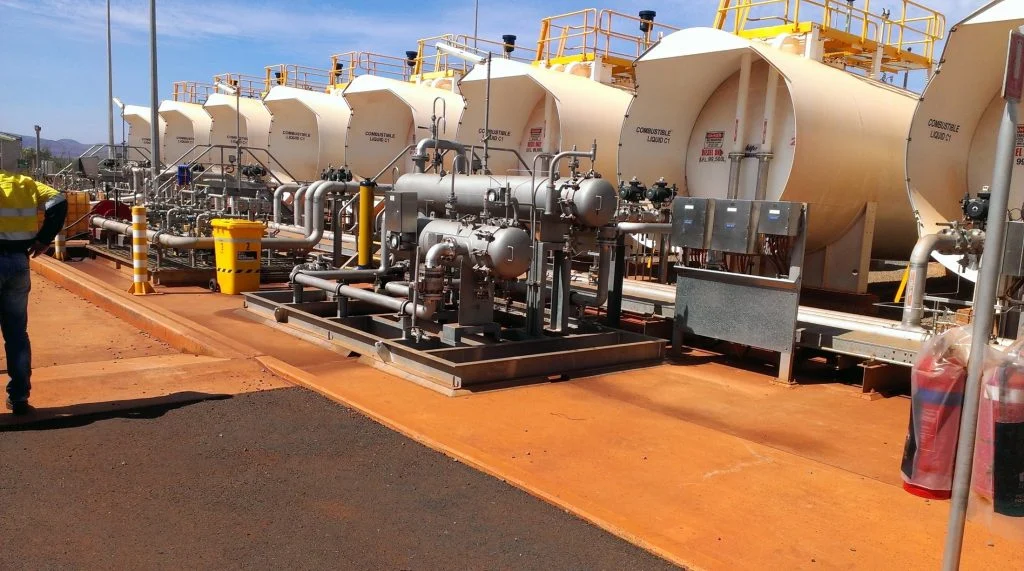
Fuel management systems are used to monitor, control, and record the storage and dispensing of fuel across commercial, industrial, and transport operations. These systems help organisations track fuel usage, reduce waste, and improve operational efficiency through automated data collection and monitoring processes. Understanding how Fuel Management Systems work can help businesses manage fuel resources more effectively while supporting accurate reporting and maintenance planning. Their use is common in fleet management, construction, mining, agriculture, and fuel storage facilities.
Understanding the Purpose of Fuel Management Systems
Fuel management systems are designed to control access to fuel and record dispensing activity in real time. They combine hardware and software components to create an organised monitoring process.
- Tracks fuel usage by vehicle or equipment.
- Controls who can access dispensing points.
- Monitors fuel inventory levels.
- Records transaction data automatically.
- Helps reduce fuel loss and unauthorised use.
Fuel Storage and Monitoring Components
The system begins with fuel storage infrastructure equipped with monitoring technology. Sensors and gauges provide information about tank conditions and fuel levels.
- Storage tanks hold diesel, petrol, or other fuels.
- Level sensors measure remaining fuel volume.
- Leak detection systems monitor tank integrity.
- Temperature sensors track fuel conditions.
- Tank gauges provide real-time inventory data.
Importance of Accurate Monitoring
Continuous monitoring helps identify unusual fuel usage patterns and supports timely refilling before supply levels become critically low.
Fuel Dispensing Process
When authorised users access fuel, the system records the dispensing activity automatically. This process links fuel usage to specific vehicles, operators, or equipment.
- Access may use cards, keys, or identification tags.
- Dispensing pumps measure fuel quantities precisely.
- User information is logged during each transaction.
- Date and time records are stored automatically.
- Fuel data is transmitted to the management platform.
Data Collection and Reporting
Information gathered during fuel dispensing is processed through software designed for tracking and analysis. Reports help businesses understand consumption patterns and operational efficiency.
- Generates fuel usage summaries.
- Tracks consumption by vehicle or department.
- Identifies unusual fuel activity.
- Supports budgeting and forecasting.
- Maintains historical transaction records.
Integration with Fleet and Equipment Management
Many fuel management systems connect with broader operational software to improve oversight of vehicles and machinery.
- Links fuel use to maintenance schedules.
- Tracks equipment operating hours.
- Supports fleet performance analysis.
- Assists with route and usage planning.
- Improves maintenance coordination.
Real-Time Operational Visibility
Integrated systems provide managers with immediate access to fuel data, helping support faster operational decisions.
Security and Access Control Features
Fuel is a valuable operational resource, and secure access is an important function of these systems.
- Restricts dispensing to authorised users.
- Records all access activity.
- Monitors unusual fuel withdrawal patterns.
- Reduces opportunities for fuel theft.
- Supports audit and compliance processes.
Inventory and Supply Management
Monitoring inventory levels allows organisations to manage fuel supplies more efficiently and avoid operational interruptions.
- Tracks remaining storage capacity.
- Supports scheduled fuel deliveries.
- Reduces the risk of overfilling tanks.
- Helps forecast future fuel demand.
- Assists with emergency supply planning.
Applications Across Different Industries
Fuel management systems are used wherever large volumes of fuel are stored and dispensed regularly.
- Commercial transport fleets.
- Mining and construction operations.
- Agricultural machinery management.
- Industrial facilities.
- Government and municipal vehicle depots.
Conclusion
Fuel Management Systems work by combining storage monitoring, controlled dispensing, automated data collection, and reporting tools into a single operational process. These systems help organisations monitor fuel usage, improve inventory control, and support secure access to fuel resources. By integrating fuel data with broader maintenance and fleet management activities, businesses can improve operational efficiency and planning. Accurate monitoring and reporting also contribute to better resource management and reduced fuel-related losses.