
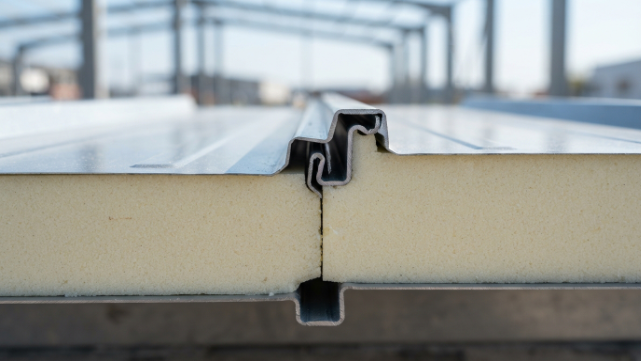
Insulated roofing systems are designed to improve thermal performance while providing structural protection against environmental conditions. These systems combine roofing materials with insulating layers to regulate indoor temperatures and enhance energy efficiency. Insulated roofing suppliers provide materials that support both protection and insulation in residential, commercial, and industrial buildings. This explainer outlines how insulated roofing works and the key components involved.
Understanding Insulated Roofing Systems
Insulated roofing consists of layered materials that combine structural strength with thermal resistance. These systems are engineered to reduce heat transfer and improve indoor comfort.
- Combine outer roofing sheets with internal insulation layers
- Reduce heat gain in summer and heat loss in winter
- Improve overall energy efficiency of buildings
- Provide additional sound insulation
- Enhance durability against environmental exposure
Components of Insulated Roofing
Insulated roofing systems are made up of several layers that work together to deliver performance and protection.
- Outer metal or composite sheets for weather resistance
- Insulation core made from foam or fibre materials
- Internal lining for structural support and finish
- Fastening systems to secure panels in place
- Sealants to prevent moisture penetration
Role of the Insulation Core
The insulation core is the key element responsible for thermal performance.
- Reduces heat transfer between external and internal environments
- Maintains consistent indoor temperature
- Improves energy efficiency across seasons
Types of Insulated Roofing Materials
Different insulated roofing options are available based on application and performance requirements. Each type offers specific benefits.
- Sandwich panels with integrated insulation layers
- Foam-based insulation for lightweight performance
- Fibre insulation for enhanced thermal resistance
- Reflective roofing materials for heat deflection
- Composite panels for combined strength and insulation
How Insulated Roofing Is Supplied
Suppliers provide materials in a structured manner to meet construction requirements and ensure compatibility with building designs.
- Assess project specifications and insulation needs
- Supply pre-fabricated panels or components
- Provide materials in required dimensions and profiles
- Ensure compliance with quality and safety standards
- Prepare materials for transport and installation
Benefits of Insulated Roofing Systems
Insulated roofing offers multiple advantages that improve building performance and long-term usability.
- Reduces reliance on heating and cooling systems
- Improves indoor comfort levels
- Minimises noise from external environments
- Enhances structural durability
- Supports energy-efficient building practices
Factors to Consider When Selecting Insulated Roofing
Choosing the right insulated roofing system depends on several environmental and structural factors. Proper selection ensures optimal performance.
- Climate conditions and temperature variations
- Building design and roof structure
- Required insulation thickness and performance
- Compatibility with existing materials
- Expected lifespan and maintenance requirements
Installation Considerations for Insulated Roofing
Proper installation ensures that insulated roofing systems function effectively and maintain their performance over time.
- Ensure correct alignment of panels
- Seal joints to prevent air or moisture leakage
- Use appropriate fasteners for secure installation
- Maintain proper slope for water drainage
- Follow structural guidelines for load distribution
Maintenance of Insulated Roofing Systems
Regular maintenance helps preserve the efficiency and durability of insulated roofing over time.
- Inspect panels for damage or wear
- Check seals and joints for gaps or leaks
- Clean surfaces to remove debris
- Ensure drainage systems remain functional
- Address minor issues promptly to prevent escalation
Conclusion
Insulated roofing systems combine structural protection with thermal efficiency, making them an important component of modern construction. Understanding their components, benefits, and maintenance needs helps ensure effective use. Insulated roofing suppliers support building projects by providing materials designed for durability and energy efficiency. With proper selection and installation, these systems contribute to improved comfort and long-term performance.