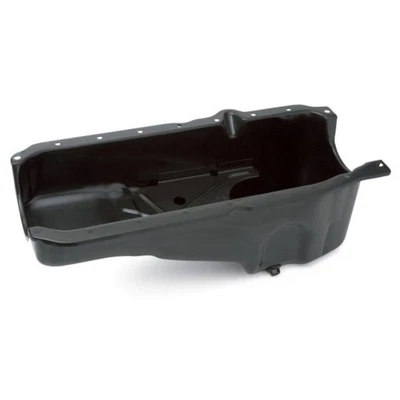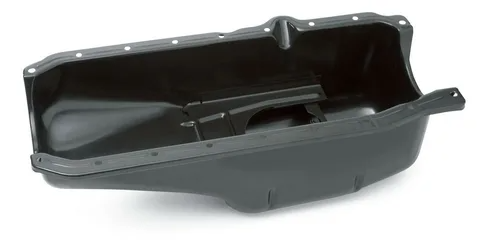
The oil pan is an essential part of a vehicle’s engine, located at the bottom, which serves as the reservoir for engine oil. This component not only holds the oil that lubricates, cools, and cleans engine parts but also helps protect the engine from damage by collecting and storing lubricating oil efficiently.
What is an Oil Pan?
An oil pan is a metal container, usually made of steel or aluminum, bolted to the bottom of the engine block. It seals the crankcase and holds the engine oil when it is not circulating. The oil pan features a drain plug that allows for easy oil changes and often contains baffles to prevent oil from sloshing excessively during driving, ensuring consistent lubrication.
Types of Oil Pans
There are mainly two types of oil pans: wet sump and dry sump systems. The wet sump oil pan holds oil directly under the engine and is the most common design found in passenger vehicles. Dry sump systems use a separate tank for oil storage and are common in high-performance or heavy-duty vehicles, helping to prevent oil starvation during extreme driving conditions.
Functions and Importance of the Oil Pan
Besides storing oil, the oil pan helps in cooling the engine oil as air flows underneath the vehicle. It also serves as a protective cover for the engine’s internal parts. Proper oil pan integrity is crucial to avoid oil leaks, contamination, or engine damage, making regular inspection and maintenance important.
Conclusion: The Role of the Oil Pan in Engine Health
In summary, the oil pan is vital for engine lubrication and protection. It acts as an oil reservoir, helps manage temperature, and keeps oil circulating smoothly for optimal engine performance. Understanding its function and maintaining it well ensures the longevity and reliability of your vehicle’s engine.