
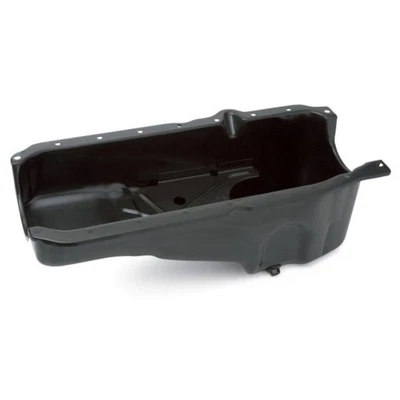
The Importance of an Oil Pan for Efficient Vehicle Maintenance
When it comes to vehicle maintenance, changing the oil is one of the most essential tasks that every car owner should be familiar with. While the oil change process itself is relatively straightforward, one crucial tool you’ll need is an oil pan. Whether you’re performing a DIY oil change or looking for a safe way to dispose of used oil, an oil pan is an indispensable item.
In this blog, we will discuss the role of an oil pan, its key features, and why it is vital for keeping your car maintenance clean and efficient.
1. What Is an Oil Pan?
An oil pan is a container used to collect used motor oil when changing the oil in a vehicle. It is designed to catch the oil as it drains from the engine, preventing spills and ensuring the oil is disposed of safely. Most oil pans are made of durable materials such as plastic or metal and come in various sizes to accommodate different vehicles.
2. Key Features of an Oil Pan
2.1 Size and Capacity
The size and capacity of an oil pan will vary depending on the vehicle you own. Most standard cars require a smaller oil pan, while trucks and SUVs may need a larger capacity. Choose an oil pan that is appropriately sized to ensure it can hold all the oil drained from your engine.
2.2 Material and Durability
Oil pans come in plastic and metal varieties, with each material offering unique benefits. Plastic pans are lightweight and easier to handle, while metal pans offer more durability and resistance to wear and heat.
3. Why You Need an Oil Pan
3.1 Prevent Spills
An oil pan helps contain the used oil during an oil change, preventing any accidental spills. This ensures that your garage or driveway remains clean, and the oil doesn’t stain the surface.
3.2 Safe Disposal
Properly disposing of used oil is essential to protect the environment. An oil pan ensures that you can collect the oil safely and transport it to a recycling centre for responsible disposal.
4. Using an Oil Pan Correctly
4.1 Positioning the Pan
Ensure the oil pan is positioned beneath the oil drain plug before draining the oil from your vehicle. This ensures the pan can catch all the oil as it flows out.
4.2 Transferring the Oil
Once the oil has drained into the pan, transfer it into a disposal container for recycling.
5. Maintaining Your Oil Pan
5.1 Regular Cleaning
After each use, clean your oil pan to remove any residue. This will keep it in good condition for future use and prevent any unpleasant odours.
5.2 Checking for Damage
Inspect your oil pan regularly for any cracks or leaks that could cause spills. Replace the pan if it shows signs of damage.
Conclusion
An oil pan is an essential tool for anyone who performs their own oil changes. It ensures that used oil is collected efficiently, preventing spills and allowing for safe disposal. With the right oil pan, you can maintain a clean, organised workspace while taking care of your vehicle’s maintenance needs.